Free Daily Podcast Summary
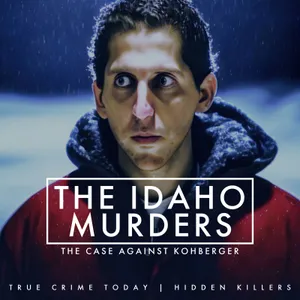
The Idaho Murders | The Case Against Bryan Kohberger: Daily Summaries Delivered
by True Crime Today
Get key takeaways, quotes, and insights from The Idaho Murders | The Case Against Bryan Kohberger in a 5-minute read. Delivered straight to your inbox.
Latest Episodes
The most recent episodes — sign up to get AI-powered summaries of each one.
- 2 weeks ago38 min
Kohberger Says His Lawyers Did WHAT?!
Bryan Kohberger stood in an Ada County courtroom on July 2, 2025, and pleaded guilty to killing Madison Mogen, Kaylee Goncalves, Xana Kernodle, and Ethan Chapin. The judge confirmed the plea was voluntary. Kohberger gave up his right to ever appeal it. Thirteen months later, from a jail cell, he wrote a different story — a handwritten petition claiming his own defense attorneys, Anne Taylor, Elisa Massoth, and Bicka Barlow, coerced him into confessing, promised prison conditions that never materialized, and withheld evidence he calls exculpatory, including hair found in Ethan Chapin's hand that physical analysis excluded as Kohberger's but that no one ever sent for DNA testing. No supporting evidence came with the filing. The Goncalves family's response: he's a narcissist. Prosecutors wanted it dismissed without a hearing. Judge Steven Hippler — the same judge who took Kohberger's plea in the first place — said no. A status conference is set for June 3, 2027, with a full evidentiary hearing on June 17. And in a twist that undercuts Kohberger's entire petition, his own defense-hired digital forensics expert, Sy Ray, told reporters investigators missed even more incriminating cellphone geolocation data placing Kohberger near the house before the murders — and that he personally believes Kohberger would be convicted again, with the death penalty back on the table. Kohberger's new attorney, Greg Rauch, was appointed in August 2026 and hadn't read the file yet. He has ten months before Kohberger's former lawyers could be called to testify, under oath, about what they actually told their client. Listen Anywhere You Get Podcasts: https://pod.link/1655749292 Want to comment and watch this podcast as a video? Check out our YouTube Channel. https://www.youtube.com/@hiddenkillerspod?sub_confirmation=1 Join Our SubStack For AD-FREE ADVANCE EPISODES & EXTRAS!: https://hiddenkillers.substack.com/ Instagram https://www.instagram.com/hiddenkillerspod/ Facebook https://www.facebook.com/hiddenkillerspod/ Tik-Tok https://www.tiktok.com/@hiddenkillerspod X Twitter https://x.com/tonybpod Check out Robin Dreeke’s Master Class http://masterclass.com/robindreeke This publication contains commentary and opinion based on publicly available information. All individuals are presumed innocent until proven guilty in a court of law. Nothing published here should be taken as a statement of fact, health or legal advice. Hashtags #BryanKohberger #Kohberger #KohbergerHearing #IdahoMurders #SyRay #UniversityOfIdaho #HiddenKillers #TrueCrime #MoscowIdaho #KohbergerTrial
- 2 weeks ago21 min
What Kohberger's Lawyer Claims Was Hidden From the Public
The families answered before Goldman finished talking. When Kohberger moved to undo his confession, Kaylee Goncalves's relatives called him "the mosquito you just can't seem to swat" — a man who admitted guilt on the record, accepted the sentence that kept him alive, and started complaining about the deal the moment prison became real.Goldman wants the conversation to shift. He told PEOPLE magazine that assumptions about this case deserve scrutiny. But the material in front of every court that's touched this matter includes cell records placing Kohberger's device near the victims' residence on roughly two dozen overnight occasions, forensic links recovered from a blade cover found inches from one of the bodies, a vehicle traced by camera footage to and from the scene, and cleaning evidence prosecutors described as meticulous. Kohberger purchased the weapon months in advance through an online retailer.Before any of that, there was a documented pattern. An addiction that led to residential burglaries as a teenager. An academic career built around studying criminal emotion and target selection. University colleagues who reported intimidating conduct toward women to campus authorities and local law enforcement. Kohberger entered four guilty pleas for the November 2022 killings of Madison Mogen, Kaylee Goncalves, Xana Kernodle, and Ethan Chapin. He waived appellate rights. A hearing on his reversal is set for June 2027.Listen Anywhere You Get Podcasts: https://pod.link/1655749292Want to comment and watch this podcast as a video? Check out our YouTube Channel. https://www.youtube.com/@hiddenkillerspod?sub_confirmation=1Join Our SubStack For AD-FREE ADVANCE EPISODES & EXTRAS!: https://hiddenkillers.substack.com/Instagram https://www.instagram.com/hiddenkillerspod/ Facebook https://www.facebook.com/hiddenkillerspod/ Tik-Tok https://www.tiktok.com/@hiddenkillerspod X Twitter https://x.com/tonybpodThis publication contains commentary and opinion based on publicly available information. All individuals are presumed innocent until proven guilty in a court of law. Nothing published here should be taken as a statement of fact, health or legal advice.#BryanKohberger #Kohberger #IdahoMurders #KohbergerCase #TrueCrime #KohbergerPlea #JasonGoldman #UniversityOfIdaho #MoscowIdaho #HiddenKillers
- 3 weeks ago16 min
Kohberger Filed to Withdraw His Plea — What His Own Expert Said
An August 26, 2026 court order gives Bryan Kohberger two dates in June 2027 — a status conference on June 3 and an evidentiary hearing on June 17 — as he fights to withdraw the guilty plea that took the death penalty off the table. Judge Hippler, who accepted the plea thirteen months ago, denied prosecutors' request to throw the petition out without a hearing.Kohberger's petition claims ineffective assistance of counsel. He alleges his attorneys told him his plea did not need to be truthful, promised prison conditions they could not deliver, and withheld evidence involving hair found in Ethan Chapin's hand. His new attorney Greg Rauch was appointed in August 2026 through the Public Defender's Alternate Counsel Division and had not yet read the case file or contacted his client.The ineffective assistance claim partially waives attorney-client privilege. Anne Taylor, Elisa Massoth, and Bicka Barlow — the defense team that spent two years keeping Kohberger alive — could be required to testify at the June hearing about every conversation, recommendation, and disclosure that led to the plea.Then there is Sy Ray. The digital forensics expert Kohberger's defense hired before the plea has publicly stated that investigators missed additional incriminating evidence. Ray says cellphone data places Kohberger near the house on multiple occasions before the murders. His recommendation: restore the death penalty and put Kohberger on trial.LinksListen Anywhere You Get Podcasts: https://pod.link/1655749292Want to comment and watch this podcast as a video? Check out our YouTube Channel. https://www.youtube.com/@hiddenkillerspod?sub_confirmation=1Join Our SubStack For AD-FREE ADVANCE EPISODES & EXTRAS!: https://hiddenkillers.substack.com/Instagram https://www.instagram.com/hiddenkillerspod/ Facebook https://www.facebook.com/hiddenkillerspod/ Tik-Tok https://www.tiktok.com/@hiddenkillerspod X Twitter https://x.com/tonybpodDisclaimerThis publication contains commentary and opinion based on publicly available information. All individuals are presumed innocent until proven guilty in a court of law. Nothing published here should be taken as a statement of fact, health or legal advice.Hashtags#BryanKohberger #SyRay #KohbergerCase #KohbergerHearing #IdahoMurders #UniversityOfIdaho #AnneTaylor #BickaBarlow #GregRauch #TrueCrime
- Aug 19, 202618 min
Did Bryan Kohberger's Own Expert Prove His Petition Wrong?
The neuropsychologist Bryan Kohberger's defense team hired to protect him documented something his family had been trying to address for years. Dr. Rachel Lawson Orr spent six sessions testing Kohberger, observing his behavior, and interviewing his parents and sisters. She found restricted affect, absent social smiling, poor reciprocity, impulsive tendencies, and a man who redirected every conversation to his own experience. His family described years of failed social coaching. Orr confirmed the pattern: rigid thinking, limited perspective-taking, and "overall poor" insight. Kohberger showed only fleeting awareness of his own role in situations, and only when directly confronted. The evaluation reveals eight total diagnoses, four previously undisclosed, including a teenage heroin addiction and anorexia. It also connects to forum posts attributed to Kohberger at sixteen, where a user cataloged his own symptoms and described hugging his family and seeing nothing. Understanding how Kohberger's mind works isn't the same as excusing what he did. He admitted to killing four people under oath. But the evaluation explains why the pattern hasn't changed: the petition, the prison interview, the claim that everyone else is the problem. The evaluation says this is a man who has never seen himself the way other people see him.Listen Anywhere You Get Podcasts: https://pod.link/1655749292Want to comment and watch this podcast as a video? Check out our YouTube Channel. https://www.youtube.com/@hiddenkillerspod?sub_confirmation=1Join Our SubStack For AD-FREE ADVANCE EPISODES & EXTRAS!: https://hiddenkillers.substack.com/Instagram https://www.instagram.com/hiddenkillerspod/ Facebook https://www.facebook.com/hiddenkillerspod/ Tik-Tok https://www.tiktok.com/@hiddenkillerspod X Twitter https://x.com/tonybpodThis publication contains commentary and opinion based on publicly available information. All individuals are presumed innocent until proven guilty in a court of law. Nothing published here should be taken as a statement of fact, health or legal advice.#BryanKohberger #Kohberger #KohbergerCase #IdahoMurders #PsychEvaluation #KohbergerPlea #TrueCrime #IdahoStudentMurders #HiddenKillers #MoscowIdaho
- Aug 11, 202621 min
How Bryan Kohberger's Newest Defender Learned He Had the Case
Greg Rauch found out he was Bryan Kohberger's attorney at almost the same moment the rest of America did, and his first hours on the job tell you everything about how this appointment happened. Assigned August 3, 2026 by the court through Idaho's Alternate Counsel Division, Rauch fielded a call from a national reporter before he'd read a single page. He said so himself: the case file, the police reports, and a first conversation with his client were all still ahead of him. The client in question sits in J-Block at the Idaho Maximum Security Institution in Kuna, roughly three hundred miles from Rauch's office, waiting on a handwritten petition that asks a judge to throw out the guilty plea in the University of Idaho student murders. Kohberger alleges coercion, broken promises, and hidden evidence, including untested hair from the scene — claims his own July 2025 courtroom statements flatly contradict, and claims no court has weighed yet. The defense he abandoned was led by Anne Taylor and reinforced by a Berkeley-trained DNA litigator, at a reported taxpayer cost above eight million dollars. The defense he gained is one man whose practice covers bankruptcy, divorce, custody, and property law, whose online footprint amounts to two anonymous reviews, and whose alma mater is the same university where Madison, Kaylee, Xana, and Ethan were students. Success for Rauch means a withdrawn plea, a revived capital case, and an attorney general who has already said Idaho is ready to finish what the deal cut short. Failure means carrying the most watched loss in the country. Subscribe and stay close, because every filing from here decides whether this case returns to a courtroom with a life on the line.END LINKSJoin Our SubStack For AD-FREE ADVANCE EPISODES & EXTRAS!: https://hiddenkillers.substack.com/ Want to comment and watch this podcast as a video? Check out our YouTube Channel. https://www.youtube.com/channel/UC8-vxmbhTxxG10sO1izODJg?sub_confirmation=1 Instagram https://www.instagram.com/hiddenkillerspod/ Facebook https://www.facebook.com/hiddenkillerspod/ Tik-Tok https://www.tiktok.com/@hiddenkillerspod X Twitter https://x.com/TrueCrimePodDISCLAIMERThis publication contains commentary and opinion based on publicly available information. All individuals are presumed innocent until proven guilty in a court of law. Nothing published here should be taken as a statement of fact, health or legal advice.HASHTAGS#BryanKohberger #GregRauch #HiddenKillers #IdahoFour #TrueCrime #AnneTaylor #IdahoMurders #KohbergerCase #JusticeForIdahoFour #MoscowIdaho
- Aug 9, 202645 min
Whose Names Did Kohberger's Statement Skip?
Three and a half years of silence ended with a statement that names almost everyone except the four people Bryan Kohberger pleaded guilty to killing. He calls his case "a work of fiction." He invites the state to seek the death penalty again. He thanks the public, his family, and the strangers online who believe he's innocent. Kaylee, Madison, Xana, and Ethan never appear once. Psychotherapist Shavaun Scott walks through the statement line by line — the framing that casts Kohberger as the wronged party, the phrase "my actual innocence is my truth," and a new affidavit accusing his own defense attorneys of telling him guilt wasn't an important factor when he agreed to the plea. His handwritten petition to withdraw that plea tells its own story. Reporters traced "broken plea" directly to the title of a true crime book, and "clumps of hair," the detail at the center of his innocence claim, appears nowhere in the actual court record — only in that book. His own defense team once sent its author a cease-and-desist letter. According to PEOPLE, a DNA expert his defense hired had already tested that hair and found it consistent with Ethan Chapin's own. Criminal defense attorney Bob Motta of Defense Diaries and Tony Brueski break down what happens next, what Kohberger swore to under oath before this plea was accepted, and why Steve Goncalves — the father who fought this deal hardest — now wants the trial and the death penalty he once tried to avoid. This channel continues tracking every filing in the case as the petition moves through the court. Hashtags #BryanKohberger #IdahoStudentMurders #KohbergerCase #ShavaunScott #BobMotta #DefenseDiaries #EthanChapin #BrokenPlea #HiddenKillers #TrueCrime Links & Legal Footer Join Our SubStack For AD-FREE ADVANCE EPISODES & EXTRAS!: https://hiddenkillers.substack.com/ Want to comment and watch this podcast as a video? Check out our YouTube Channel. https://www.youtube.com/channel/UC8-vxmbhTxxG10sO1izODJg?sub_confirmation=1 Instagram https://www.instagram.com/hiddenkillerspod/ Facebook https://www.facebook.com/hiddenkillerspod/ Tik-Tok https://www.tiktok.com/@hiddenkillerspod X Twitter https://x.com/TrueCrimePod This publication contains commentary and opinion based on publicly available information. All individuals are presumed innocent until proven guilty in a court of law. Nothing published here should be taken as a statement of fact, health or legal advice.
- Aug 9, 202635 min
What Kohberger Won't Say About His Attorney Meetings
Bryan Kohberger stood in court and admitted, four separate times under oath, that he deliberately killed each of his four victims. A judge asked if he was pleading guilty because he was guilty. He said yes. The judge asked if anyone had forced him into the deal. He said no. Thirteen months later, from a maximum security cell, he's asking a court to erase that entire exchange. His handwritten petition to withdraw the plea makes three claims: his lawyers failed him, proof of his innocence was buried before he signed, and he was frightened into the deal with lies about what a life sentence and Idaho's death row actually mean. The proof he leans on hardest is a detail — "clumps of hair" found in a victim's hand — that doesn't exist in any court filing or forensic report. It's from a published book. Newly unsealed records show his own defense DNA expert already tested a hair from that hand and found it consistent with the victim's own. Further into the petition sits a claim about exactly who Kohberger says was present during his private meetings with his own attorneys — a detail that may cost him more credibility than it buys him. Tony Brueski breaks down the amended witness list naming a hundred and eighty people prosecutors were prepared to call before the plea, what the unsealed record actually shows versus what the petition claims, and why the legal standard for taking back a guilty plea this clean almost never gets met — no matter how the request is written. This channel will track every filing as the case moves, including whatever the judge decides about a new trial. Hashtags #BryanKohberger #IdahoStudentMurders #KohbergerCase #JenniferCoffindaffer #EthanChapin #GuiltyPlea #UniversityOfIdaho #MoscowIdaho #HiddenKillers #TrueCrime Links & Legal Footer Join Our SubStack For AD-FREE ADVANCE EPISODES & EXTRAS!: https://hiddenkillers.substack.com/ Want to comment and watch this podcast as a video? Check out our YouTube Channel. https://www.youtube.com/channel/UC8-vxmbhTxxG10sO1izODJg?sub_confirmation=1 Instagram https://www.instagram.com/hiddenkillerspod/ Facebook https://www.facebook.com/hiddenkillerspod/ Tik-Tok https://www.tiktok.com/@hiddenkillerspod X Twitter https://x.com/TrueCrimePod This publication contains commentary and opinion based on publicly available information. All individuals are presumed innocent until proven guilty in a court of law. Nothing published here should be taken as a statement of fact, health or legal advice.
- Aug 7, 202616 min
What Happens To Bryan Kohberger If His Petition Works?!
Bryan Kohberger is asking an Idaho court to withdraw his guilty plea in the murders of Kaylee Goncalves, Madison Mogen, Xana Kernodle, and Ethan Chapin. He says his lawyers coerced him. He says the confession was false. He says evidence was hidden.But the question nobody seems to be asking is: what happens if he wins?If a court withdraws the plea, the deal that kept Kohberger off death row ceases to exist. Idaho maintains the death penalty and authorizes execution by firing squad. Attorney General Raúl Labrador has already signaled the state is prepared. The Goncalves family has said publicly they are ready for trial and confident in a death sentence. Latah County Prosecutor Bill Thompson — who cut the original deal over the families' objections — would face the prospect of re-prosecuting a case the defendant already confessed to.Kohberger signed a nine-page plea questionnaire confirming his plea was voluntary. He told Judge Hippler under oath he was guilty. He answered yes to every safeguard question. Idaho's post-sentencing standard for withdrawal is manifest injustice — one of the highest bars in American criminal law.Defense attorney and former prosecutor Eric Faddis examines the petition, the evidence, the legal standard, and the consequences if Kohberger somehow clears every hurdle.END_LINKSJoin Our SubStack For AD-FREE ADVANCE EPISODES & EXTRAS!: https://hiddenkillers.substack.com/ Want to comment and watch this podcast as a video? Check out our YouTube Channel. https://www.youtube.com/channel/UC8-vxmbhTxxG10sO1izODJg?sub_confirmation=1 Instagram https://www.instagram.com/hiddenkillerspod/ Facebook https://www.facebook.com/hiddenkillerspod/ Tik-Tok https://www.tiktok.com/@hiddenkillerspod X Twitter https://x.com/TrueCrimePodDISCLAIMERThis publication contains commentary and opinion based on publicly available information. All individuals are presumed innocent until proven guilty in a court of law. Nothing published here should be taken as a statement of fact, health or legal advice.HASHTAGS#BryanKohberger #IdahoMurders #HiddenKillers #GuiltyPlea #KayleeGoncalves #UniversityOfIdaho #EricFaddis #PostConvictionRelief #TrueCrime #TrueCrimePodcast
Customized Recaps
AI-powered recaps with compact key takeaways, quotes, and insights.
Straight to Your Inbox
Get key takeaways from The Idaho Murders | The Case Against Bryan Kohberger in a 5-minute read.
Save Hours Every Week
Stay current on your favorite podcasts without falling behind.
Frequently Asked Questions
What is Podzilla's The Idaho Murders | The Case Against Bryan Kohberger daily summary?
It's a free AI-powered email that summarizes new episodes of The Idaho Murders | The Case Against Bryan Kohberger as soon as they're published. You get the key takeaways, notable quotes, and links & mentions — all in a quick read.
How does the The Idaho Murders | The Case Against Bryan Kohberger podcast summary work?
When a new episode drops, our AI transcribes and analyzes it, then generates a personalized summary tailored to your interests and profession. It's delivered to your inbox every morning.
Is this an official The Idaho Murders | The Case Against Bryan Kohberger product?
No. Podzilla is an independent service that summarizes publicly available podcast content. We're not affiliated with or endorsed by True Crime Today.
Can I get summaries of other podcasts too?
Absolutely! The free plan covers up to 3 podcasts. Upgrade to Pro for 15, or Premium for 50. Browse our full catalog at /podcasts.
How often does The Idaho Murders | The Case Against Bryan Kohberger release new episodes?
The Idaho Murders | The Case Against Bryan Kohberger publishes daily. Our AI generates a summary within hours of each new episode.
What topics does The Idaho Murders | The Case Against Bryan Kohberger cover?
The Idaho Murders | The Case Against Bryan Kohberger covers topics including News, True Crime, Commentary. Our AI identifies the specific themes in each episode and highlights what matters most to you.
Start getting The Idaho Murders | The Case Against Bryan Kohberger summaries tomorrow morning.
Free forever for up to 3 podcasts. No credit card required.
Free forever for up to 3 podcasts. No credit card required.