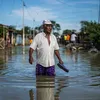
Climate scientists have put out a dire warning about this year’s El Niño; that it will likely be the worst in recorded history. And if previous ‘super’ El Niños are anything to go by, that means that this cycle will bring extreme weather - flooding, drought, wildfires, and hunger- across the world. But how do scientists know what the effects of an El Niño will be? And how do they communicate that information to governments and the public in a way that causes calm preparedness instead of panic?Tom Di Liberto is a former climate scientist for the US government’s National Oceanic and Atmospheric Administration (NOAA) and a science communicator, who specialises in monitoring El Niño phenomena. He joins us on today’s show.Producers: Hannah Moore and Mhairi MacKenzieExecutive producer: Bridget HarneyMix: Travis EvansSenior news editor: China CollinsPhoto: A man wades through water in northern Peru, in 2017, during that year’s El Niño. Credit: Ernesto Benavides/AFP.
Podzilla Summary coming soon
Sign up to get notified when the full AI-powered summary is ready.
Free forever for up to 3 podcasts. No credit card required.
Listen to This Episode
More from The Global Story

How white South Africans became the face of Trump’s refugee policy

Inside the Flydubai attack that could upend Israeli elections

Is Meta dying?
Did a farmer foil a plot to attack a UK military base?
Get summaries like this every morning.
Free AI-powered recaps of The Global Story and your other favorite podcasts, delivered to your inbox.
Free forever for up to 3 podcasts. No credit card required.