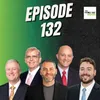
Built To Last: Sustainable Success For Family-Owned Construction Businesses | The Family Biz Show Ep. 132
Growth can look like success from the outside. But inside a family-owned construction business, growth can also create pressure, confusion, and decisions the original business model was never designed to handle. "You built something successful, but why does it feel harder to run?" "Why is every decision still coming back to you?" "How do you pass the business forward without damaging the family?" "What happens when wealth grows faster than communication?" "Are your advisors solving separate problems, or helping you see the whole picture?" This conversation gives you the answer. In this episode, Michael Palumbos leads a powerful discussion on what it really takes to build sustainable success in family-owned construction businesses. The conversation explores why many construction companies outgrow the systems, leadership habits, and informal family assumptions that helped them succeed in the first place. You'll hear from Ricky Stellar, Roey Diefendorf, Jerry Aliberti, and Anthony DiTucci as they unpack the hidden pressures behind growth: owner dependency, unclear roles, siloed advisors, family expectations, succession tension, and the need for stronger governance. This is not just a conversation about revenue. It is a conversation about leadership, trust, communication, ownership, and the future of the family enterprise. Ricky Stellar brings the perspective of a wealth advisor helping families coordinate planning, ownership, taxes, and long-term financial decisions. Roey Diefendorf shares deep experience as a fourth-generation family business leader and advisor focused on preparing families, not just assets, for generational transition. Jerry Aliberti brings operational insight from his work with construction companies, helping leaders develop stronger teams, accountability systems, and scalable structures. Anthony DiTucci offers a practical view of what happens inside family-owned construction businesses when leadership, planning, and people systems are not clear enough to support the next stage of growth. At the heart of this episode is a simple but powerful idea: what got the business here may not be enough to carry it forward. The founder's hustle, instincts, and relationships may have built the company. But sustainable success requires a business that can operate through systems, leadership, communication, and shared alignment. You'll also hear why preparing heirs matters as much as preparing wealth, why the owner bottleneck can quietly limit growth, and why successful families need to coordinate the business, the wealth, and the family together. This episode gives you practical, real-world insight into how family-owned construction companies can move from reactive pressure to intentional planning. You'll learn how to spot the warning signs before they become crises, how to think about succession with more clarity, and how to build a company that can last beyond one person. In This Episode, You'll Learn: Why growth changes more than the business itself How the owner bottleneck limits sustainable construction business growth Why family-owned construction companies need clearer roles and stronger leadership systems How siloed advisors can create risk for successful business-owning families Why succession planning must address emotions, communication, and family expectations How preparing heirs helps protect both wealth and relationships Why governance matters for multi-generational family businesses <li data-section-id="115
Podzilla Summary coming soon
Sign up to get notified when the full AI-powered summary is ready.
Free forever for up to 3 podcasts. No credit card required.
Listen to This Episode
More from The Family Biz Show
Cort Brazelton on How to Own a Family Business Without Having to Run It | The Family Biz Show Ep. 135
Cornell University's Smith Family Business Initiative and University of St. Thomas Family Business Center: A conversation with Dann Van Der Vliet and Jon Keimig. | The Family Biz Show Ep. 134
How ESOPs Help Family Business Owners Exit Without Losing Their Legacy | The Family Biz Show Ep. 40
The #1 Mistake That Could Cost You MILLIONS When Selling Your Business | The Family Biz Show Ep. 133
Get summaries like this every morning.
Free AI-powered recaps of The Family Biz Show and your other favorite podcasts, delivered to your inbox.
Free forever for up to 3 podcasts. No credit card required.