Free Daily Podcast Summary
The Brain Health Kitchen Podcast: Daily Summaries Delivered
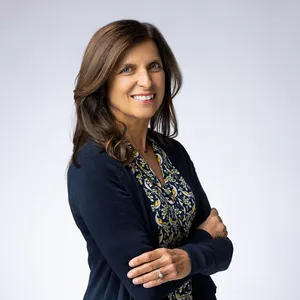
by Dr. Annie Fenn
The Brain Health Kitchen Podcast brings together science, storytelling, and practical wisdom on how to protect and nourish your brain at any age. Hosted by physician and author Annie Fenn, MD, each episode dives into the habits that support lifelong cognition—food, movement, sleep, mindfulness, social connection, and more. Through conversations with researchers, clinicians, neuroscientists, and thought leaders, you’ll learn what the latest evidence actually means for your daily life. Whether you’re looking to lower your dementia risk, stay sharp as you age, or simply understand your brain better, this podcast offers the tools and inspiration to build a truly brain-healthy life.
Latest Episodes
The most recent episodes — sign up to get AI-powered summaries of each one.
- 3 weeks ago24 min
Foods to Limit or Avoid for Brain Health
We talk often about the foods to add for brain health. But what about the foods and drinks that are better eaten less often?In this Summer Highlights episode, Jenny revisits her conversation with Dr. Annie Fenn about six categories of foods to limit or avoid for healthier brain aging. Annie explains why fast and fried foods, packaged pastries and sweets, certain dairy products, sugary drinks, ultra-processed foods, and alcohol can work against the brain—and where the science is more nuanced than a simple “good” or “bad” label.They also get practical: why plain yogurt and kefir are different from many sweetened dairy products, how to tell the difference between processed and ultra-processed foods, and why replacing butter with extra virgin olive oil may be one of the simplest upgrades you can make.Plus, Annie explains what frequent sugary drinks can do to glucose and insulin regulation, and why current brain-health guidance on alcohol has moved away from the old idea that a daily glass of red wine is beneficial.The goal isn’t a perfect diet. It’s recognizing which foods have become everyday habits and finding a few realistic swaps you can repeat.Listen to the full episode here.CHAPTERS00:09 Why talk about foods to limit?03:16 Fast and fried foods05:14 Pastries and sweets08:05 Dairy: butter, cheese, yogurt, and kefir12:30 The butter-to-olive-oil swap13:28 Sugary and artificially sweetened drinks18:14 Processed vs. ultra-processed foods20:27 Alcohol and the changing brain-health guidance22:33 One better swap to start withLinks & ResourcesMIND Diet Study (Rush University):https://www.ncbi.nlm.nih.gov/pmc/articles/PMC4581900/Brain Health Kitchen Substack:https://brainhealthkitchen.substack.comFOUNDING SPONSORSNeuroReserve creates science-backed brain health nutrition products, including RELEVATE, a brain-specific multivitamin with omega-3 fatty acids, Brain Health Kitchen Extra Virgin Olive Oil, and Revanta creatine. Visit NeuroReserve.com and use code BHKPODCAST for 10% off.BetterBrain is a dementia-prevention program covered by insurance for most people, offering brain-health testing, expert coaching, and a personalized action plan. Learn more at betterbrain.com/annie.
- Aug 18, 202625 min
Is It Normal Aging—or Something More with Dr. Kellyann Niotis?
In this Summer Highlights episode, Annie revisits her conversation with preventive neurologist Dr. Kellyann Niotis about what we can learn from our genes—and why they are only one part of dementia risk.They talk about APOE4, why genetic risk is not destiny, and why midlife is such an important window for paying attention to brain health. Dr. Niotis also explains some of the earliest cognitive changes she looks for, including changes in language, problem-solving, sleep, and sense of smell—and why subjective cognitive decline can matter even when someone performs well on a standard cognitive test.They also get practical about prevention: why Annie asks about ApoB in addition to a standard cholesterol panel, why a high HDL doesn’t necessarily cancel out a high LDL, and why hearing and vision checks belong on your brain health to-do list.This is a conversation about knowing your risk without being defined by it—and using the information we have now to make better decisions for our brains.Full episode Founding SponsorsWe are grateful to our founding sponsors for helping us keep the Brain Health Kitchen Podcast open to everyone.NeuroReserve creates science-backed brain health nutrition products, including RELEVATE, a brain-specific multivitamin with omega-3 fatty acids, Brain Health Kitchen Extra Virgin Olive Oil, and REVANTA creatine. Visit NeuroReserve.com and use code BHKPODCAST for 10% off.BetterBrain is a brain health and dementia prevention program covered by insurance for most people, offering brain health testing, expert coaching, and a personalized action plan. Learn more at betterbrain.com/annie.
- Aug 11, 202623 min
45% of Dementia May Be Preventable. What Does That Mean For You?
Nearly half of dementia cases may be linked to risk factors we can change. That means there are meaningful steps we can take—through healthcare, lifestyle, and the choices we make every day—to help lower our risk over time.In this Summer Highlights episode, Annie explains why midlife is such an important window for prevention and takes a closer look at hearing loss, LDL cholesterol, blood pressure, diabetes, smoking, alcohol, and physical inactivity. She also explains how vascular health and brain health are closely connected. We also go beyond those risk factors to talk about nutrition and exercise—two of the most important tools Annie recommends for protecting the brain—as well as sleep, stress, social connection, and preventive healthcare.The takeaway: you don’t need to change everything at once. Know your numbers, get your hearing and vision checked, move your body, eat for brain health, and pick one place to begin.Chapters00:00 Dementia prevention and what we can change02:01 What is a modifiable risk factor?02:49 Why midlife matters05:25 Hearing loss and brain health07:55 LDL cholesterol and dementia risk09:47 Blood pressure, smoking, and diabetes13:49 Alcohol and the brain15:46 Exercise as a brain-health tool16:29 Why nutrition matters18:47 Annie’s framework for protecting your brainLinksListen to the full episodeBrain Health KitchenLancet Commission Report on DementiaDr. Fenn’s paper in the Journal of Alzheimer’s Disease: Air Pollution and Alzheimer’s Disease Prevention: The Science and a Prevention Plan
- Aug 4, 202636 min
The Gut-Brain Connection: Summer Highlights with Dr. Will Bulsiewicz and Dr. Trisha Pasricha
How fiber, the microbiome, stress, and the aging gut shape brain health.In this Summer Highlights episode, Dr. Annie Fenn and Jenny Shilling revisit key moments from two season-one conversations about the gut-brain connection.Gastroenterologist and microbiome expert Dr. Will Bulsiewicz explains how fiber feeds the gut microbiome, which then produces short-chain fatty acids with anti-inflammatory effects throughout the body and brain. He also describes how the microbiome helps maintain the gut barrier, regulate the immune system, and transform polyphenols from colorful plant foods into compounds the body can use.Neurogastroenterologist Dr. Trisha Pasricha explains why the gut is much more than a digestive organ. It has its own nervous system, communicates constantly with the brain, and may even offer early clues about neurodegenerative diseases such as Parkinson’s.Together, these conversations explore how stress affects digestion, why gut symptoms are never simply “all in your head,” what happens to the gut as it ages, and why constipation, sleep changes, and loss of smell may deserve attention when they occur together.You’ll also learn why many of the same habits that support the brain—eating more whole plants, exercising, managing stress, and limiting ultra-processed foods—also support the gut.Chapters00:00 The gut-brain connection03:48 Why a gastroenterologist studies Parkinson’s06:24 How fiber feeds the microbiome09:50 Stress, digestion, and the two-way gut-brain loop15:26 The gut barrier, immunity, and inflammation21:45 The aging gut and early Parkinson’s clues31:44 Fiber, polyphenols, and eating the rainbow34:22 What this means for brain healthLinks MentionedDr. Will BulsiewiczDr. Trisha PasrichaFull episode with Dr. Will BulsiewiczFull episode with Dr. Trisha PasrichaBrain Health Kitchen SubstackNeuroReserve. Our founding sponsor NeuroReserve has a special discount code that can be applied to their brain health nutrition products: Relevate, Revanta creatine, and the new release of BHK EVOO Order here and use code BHKPODCAST at checkout for 10% off. BetterBrain. If you are curious about having a brain health check-up, our founding sponsor BetterBrain is offering BHK Podcast subscribers a special deal: use code AFENN50 for $50 off your assessment, which includes key biomarkers for brain health. Check them out at BetterBrain.com/annie.
- Jul 28, 202623 min
Summer Highlights: Build a More Resilient Brain with Dr. Tommy Wood
How do we build a brain that can stay resilient as we age?In this summer highlight, Dr. Annie Fenn revisits her conversation with Dr. Tommy Wood, author of The Stimulated Mind: Future-Proof Your Brain from Dementia and Stay Sharp at Any Age.Tommy explains the idea of cognitive headroom: building more brain reserve and resilience now so we have a greater buffer against aging, stress, and disease later. He also shares why even brief “exercise snacks” can benefit the brain, especially when they break up long periods of sitting.Finally, Annie and Tommy explore why many everyday memory lapses may begin with attention. Constant task-switching, scrolling, and information overload can make it harder for the brain to encode what we are trying to remember.You’ll learn how small, practical choices—moving more often, taking real breaks, focusing on one thing at a time, and continuing to challenge the brain—can support cognitive health at any age.Chapters00:00 Introducing Summer Highlights03:38 Building cognitive headroom09:39 Exercise snacks and sedentary time15:51 Memory, attention, and overstimulation22:15 Three takeaways to use nowLinks MentionedDr. Tommy Woodhttps://www.drtommywood.com/The Stimulated Mindhttps://www.penguinrandomhouse.com/books/751292/the-stimulated-mind-by-dr-tommy-wood/Better Brain Fitness Substackhttps://hdrmdocs.substack.com/Full Brain Health Kitchen episode with Dr. Tommy Woodhttps://podcasts.apple.com/us/podcast/how-to-build-a-brain-that-lasts-the-science/id1869700282?i=1000757728384Brain Health Kitchen Substackhttps://brainhealthkitchen.substack.com/Thank you to our founding sponsors, NeuroReserve and BetterBrain, for helping keep the Brain Health Kitchen Podcast open to everyone.NeuroReserve creates science-backed brain health nutrition products, including Relevate, Brain Health Kitchen Extra Virgin Olive Oil, and Revanta creatine. Visit neuroreserve.com and use code BHKPODCAST for 10% off.BetterBrain provides brain health testing, expert coaching, and personalized action plans that are covered by insurance for most people. Learn more at betterbrain.com/annie.
- Jul 17, 20261h 18m
Omega-3s: Food, Supplements, and Brain Protection with Dr. Ed Park
What the latest research says about DHA, APOE4, cognitive decline—and the emerging science of creatine Dr. Ed Park is Annie’s go-to expert for making sense of omega-3 research. In this episode, they break down what omega-3 fatty acids do in the brain, why DHA and EPA matter, and how food, supplements, genetics, and aging may affect how much we need.They also examine two recent studies that generated conflicting headlines about omega-3 supplements and cognitive decline. Ed explains what the studies actually found, their important limitations, and why the broader body of research remains encouraging.You’ll learn how APOE4 may affect the brain’s ability to transport and use DHA, why the form and dose of an omega-3 supplement matter, and how an omega-3 index test can help guide a more personalized approach. Annie and Ed also discuss practical intake targets, when supplementation may be useful, and why omega-3s should be considered as one part of a broader brain-healthy lifestyle.Chapters00:00 Meet Dr. Ed Park02:20 A shared connection to neurodegenerative disease05:26 Omega-3s explained11:26 Why the brain needs DHA and EPA15:59 Plant-based omega-3s17:17 APOE4 and omega-3 metabolism22:33 What the new PreventE4 study found33:14 Do omega-3 supplements accelerate cognitive decline?38:00 A different finding from the same research database41:17 How much omega-3 do you need?44:04 Omega-3s for people with APOE4 or other risk factors45:32 Why supplement form and DHA-to-EPA ratio matter47:51 How to test your omega-3 levels52:10 Can you take too much?53:49 The story behind NeuroReserve and Relevate59:22 A new omega-3 product from NeuroReserve1:02:54 Creatine for muscle and brain health1:07:37 A more strategic approach to supplementationWe are grateful to our founding sponsors:NeuroReserve: Use code BHKPodcast for 10% off:Relevate: a brain-specific blend of omega-3 fatty acids (DHA and EPA) and nutrients based on the Mediterranean and MIND dietsRevanta Creatine: a highly dissolvable pure-grade creatine monohydrateBHKEVOO: our recent harvest of extra-virgin olive oil—organic, high in polyphenols, and sources from family friends in Tuscany, ItalyBetter Brain: Use code AFENN50 for $50 off your assessment, which brings the cost of a full brain health biomarker panel down to $39; most people pay $0 out of pocket for the coaching sessions. Check them out at BetterBrain.com/annie.
- Jul 15, 20261h 16m
The New Frontier of Dementia Prevention with Cédric Gousseau
In this episode of the Brain Health Kitchen podcast, Annie talks with Cédric Gousseau, co-founder of BetterBrain, about what it means to be proactive about brain health before symptoms begin.Cédric came to this work personally after learning in his early twenties that he carries an APOE4 gene variant, which increases risk for late-onset Alzheimer’s disease. That discovery led him deep into the science of dementia prevention and the question so many people ask: if I care about my brain health, where do I start?Annie and Cédric talk about the promise and complexity of genetic testing, why APOE4 is a risk factor but not a diagnosis, and how people may use that information to make more targeted choices. They also discuss brain health biomarkers that are not always included in a routine doctor’s visit, including homocysteine, APOB, Lp(a), B vitamins, inflammation markers, and newer tests like p-tau 217.The bigger theme is what happens after testing. Cédric explains why numbers alone are not enough, and why interpretation, coaching, and follow-through matter if people are going to turn brain health information into real-life changes.This episode is for anyone who wants to move from worry to a plan — and understand what proactive brain care may look like in the years ahead.Chapters07:07 — Discovering APOE4 in his early 20s10:56 — The emotional impact of genetic risk12:10 — Should you know your APOE4 status?17:33 — From personal risk to building Better Brain22:29 — How a personalized brain health system works25:03 — Why testing alone is not enough38:27 — APOE4 and p-tau217 testing44:52 — Brain health labs beyond a standard panel46:15 — Homocysteine and B vitamins49:11 — ApoB, Lp(a), and vascular risk52:42 — Can brain health become the next preventive cardiology?56:08 — Preventive cognitive testing1:00:30 — Personalized AI and brain health1:04:09 — The future of dementia prevention LinksAbout Better Brain and Cédric Gousseau betterbrain.com/about-usBrain Health Kitchen brainhealthkitchen.substack.comWe are grateful to our Founding Sponsors.NeuroReserve: Use code BHKPodcast for 10% off:Relevate: a brain-specific blend of omega-3 fatty acids (DHA and EPA) and nutrients based on the Mediterranean and MIND dietsRevanta Creatine: a highly dissolvable pure-grade creatine monohydrateBHKEVOO: our recent harvest of extra-virgin olive oil—organic, high in polyphenols, and sources from family friends in Tuscany, ItalyBetter Brain: Use code AFENN50 for $50 off your assessment, which brings the cost of a full brain health biomarker panel down to $39; most people pay $0 out of pocket for the coaching sessions. Check them out at BetterBrain.com/annie.
- Jul 10, 20261h 17m
The New Frontier of Dementia Prevention with Cédric Gousseau
In this episode of the Brain Health Kitchen podcast, Annie talks with Cédric Gousseau, co-founder of BetterBrain, about what it means to be proactive about brain health before symptoms begin.Cédric came to this work personally after learning in his early twenties that he carries an APOE4 gene variant, which increases risk for late-onset Alzheimer’s disease. That discovery led him deep into the science of dementia prevention and the question so many people ask: if I care about my brain health, where do I start?Annie and Cédric talk about the promise and complexity of genetic testing, why APOE4 is a risk factor but not a diagnosis, and how people may use that information to make more targeted choices. They also discuss brain health biomarkers that are not always included in a routine doctor’s visit, including homocysteine, APOB, Lp(a), B vitamins, inflammation markers, and newer tests like p-tau 217.The bigger theme is what happens after testing. Cédric explains why numbers alone are not enough, and why interpretation, coaching, and follow-through matter if people are going to turn brain health information into real-life changes.This episode is for anyone who wants to move from worry to a plan — and understand what proactive brain care may look like in the years ahead.Chapters07:07 — Discovering APOE4 in his early 20s10:56 — The emotional impact of genetic risk12:10 — Should you know your APOE4 status?17:33 — From personal risk to building Better Brain22:29 — How a personalized brain health system works25:03 — Why testing alone is not enough38:27 — APOE4 and p-tau217 testing44:52 — Brain health labs beyond a standard panel46:15 — Homocysteine and B vitamins49:11 — ApoB, Lp(a), and vascular risk52:42 — Can brain health become the next preventive cardiology?56:08 — Preventive cognitive testing1:00:30 — Personalized AI and brain health1:04:09 — The future of dementia prevention LinksBetter BrainAbout Better Brain and Cédric GousseauAPOE and Alzheimer’s Risk — National Institute on AgingConsidering APOE Testing?We are grateful to our Founding Sponsors.NeuroReserve: Use code BHKPodcast for 10% off:Relevate: a brain-specific blend of omega-3 fatty acids (DHA and EPA) and nutrients based on the Mediterranean and MIND dietsRevanta Creatine: a highly dissolvable pure-grade creatine monohydrateBHKEVOO: our recent harvest of extra-virgin olive oil—organic, high in polyphenols, and sources from family friends in Tuscany, ItalyBetter Brain: Use code AFENN50 for $50 off your assessment, which brings the cost of a full brain health biomarker panel down to $39; most people pay $0 out of pocket for the coaching sessions. Check them out at BetterBrain.com/annie.
About The Brain Health Kitchen Podcast
The Brain Health Kitchen Podcast brings together science, storytelling, and practical wisdom on how to protect and nourish your brain at any age. Hosted by physician and author Annie Fenn, MD, each episode dives into the habits that support lifelong cognition—food, movement, sleep, mindfulness, social connection, and more. Through conversations with researchers, clinicians, neuroscientists, and thought leaders, you’ll learn what the latest evidence actually means for your daily life. Whether you’re looking to lower your dementia risk, stay sharp as you age, or simply understand your brain better, this podcast offers the tools and inspiration to build a truly brain-healthy life.
Customized Recaps
AI-powered recaps with compact key takeaways, quotes, and insights.
Straight to Your Inbox
Get key takeaways from The Brain Health Kitchen Podcast in a 5-minute read.
Save Hours Every Week
Stay current on your favorite podcasts without falling behind.
Frequently Asked Questions
What is Podzilla's The Brain Health Kitchen Podcast daily summary?
It's a free AI-powered email that summarizes new episodes of The Brain Health Kitchen Podcast as soon as they're published. You get the key takeaways, notable quotes, and links & mentions — all in a quick read.
How does the The Brain Health Kitchen Podcast podcast summary work?
When a new episode drops, our AI transcribes and analyzes it, then generates a personalized summary tailored to your interests and profession. It's delivered to your inbox every morning.
Is this an official The Brain Health Kitchen Podcast product?
No. Podzilla is an independent service that summarizes publicly available podcast content. We're not affiliated with or endorsed by Dr. Annie Fenn.
Can I get summaries of other podcasts too?
Absolutely! The free plan covers up to 3 podcasts. Upgrade to Pro for 15, or Premium for 50. Browse our full catalog at /podcasts.
How often does The Brain Health Kitchen Podcast release new episodes?
The Brain Health Kitchen Podcast publishes weekly. Our AI generates a summary within hours of each new episode.
What topics does The Brain Health Kitchen Podcast cover?
The Brain Health Kitchen Podcast covers topics including Nutrition, Fitness, Health & Fitness. Our AI identifies the specific themes in each episode and highlights what matters most to you.
Start getting The Brain Health Kitchen Podcast summaries tomorrow morning.
Free forever for up to 3 podcasts. No credit card required.
Free forever for up to 3 podcasts. No credit card required.