AoR 180: Doug Poole on Integrating Grazing into Cropping Systems for Rangeland & Soil Health
In this episode, host Tip Hudson speaks with Doug Poole, a third-generation dryland farmer in Eastern Washington's arid Columbia Basin, about his decade-long effort to reintegrate livestock into a cropping system that had largely abandoned them. Doug farms on just 8–10 inches of annual rainfall, and the conversation digs into how industrial row-crop agriculture — heavy tillage, anhydrous ammonia, and monoculture wheat — degraded soils that were once native rangeland, and why Doug believes biology and cattle are the fastest path to reversing that damage. He explains how he uses cattle to harvest diverse cover crop mixes, reduce input costs, and rebuild soil structure, while tackling the real-world barriers to crop-livestock integration: water infrastructure, cattle supply logistics, and cultural resistance among so-called "dirt farmers". Doug speaks candidly about the economics of the transition, the promise of virtual fence technology, and why he has no plans to stop. The Art of Range Podcast is supported by the Idaho Rangeland Resources Commission and the Western Extension Risk Management Education Center. Music by Lewis Roise. Visit the episode page at https://artofrange.com/episodes/aor-180-doug-poole-integrating-grazing-cropping-systems-rangeland-soil-health for links to resources mentioned in this episode.
Podzilla Summary coming soon
Sign up to get notified when the full AI-powered summary is ready.
Free forever for up to 3 podcasts. No credit card required.
Listen to This Episode
More from The Art of Range Podcast
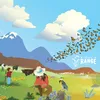
AoR 183: Rangelands on Display - Using Public Art to Reach Beyond the Choir, with Stephen Bramwell
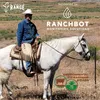
AoR 182: Allen Miller on Fire, Fence, and Family - 140 Years of Stewardship at Tower Rock Ranch
AoR 181: Jim Strickland, Keeping Florida Ranches Ahead of the Bulldozer

IYRP March: Maryam Niamir-Fuller on Economic Services of Global Rangelands
Get summaries like this every morning.
Free AI-powered recaps of The Art of Range Podcast and your other favorite podcasts, delivered to your inbox.
Free forever for up to 3 podcasts. No credit card required.