Free Daily Podcast Summary
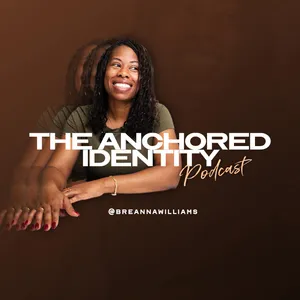
The Breanna Williams Podcast: Daily Summaries Delivered
by Breanna Williams
If you've ever looked in the mirror and wondered, "Is this really who I'm supposed to be?" — you're in the right place. This podcast is for the people who are tired of searching for themselves in relationships, achievements, and other people's opinions. The one who knows there's more, but isn't quite sure how to get there. Each episode, Breanna Williams brings you honest conversations about identity, healing, faith, and purpose — the kind of talk that meets you right where you are and walks with you toward who God created you to be. No performance. No perfection. Just real, faith-grounded truth that helps you heal your past, renew your mind, and step fully into your calling. Hit follow and come home to yourself.
Latest Episodes
The most recent episodes — sign up to get AI-powered summaries of each one.
- 6 days ago26 min
God Said I Am Loved, But I Was Abused ft Abbi Pt 3
Sensitive Content Warning: This episode contains a candid conversation about childhood sexual abuse, including abuse by a parent, and the lasting emotional and spiritual effects of trauma. Some parts of this discussion may be difficult or triggering for survivors. Please listen with care and give yourself permission to pause or step away when needed. God Said I Am Loved, But I Was Abused, Part 3 ft. Abbi In Part 3 of this vulnerable conversation, Abbi and I continue exploring what it means to heal after experiencing abuse from someone who was supposed to provide love, safety, and protection. Abuse does not remain confined to the moment it happened. Its effects can follow a survivor into adulthood, shaping how they see themselves, relate to others, establish boundaries, receive love, and understand God. Healing often requires recognizing the ways trauma has influenced your identity—and learning that the beliefs created through pain are not always the truth. This episode makes room for the complexity of the healing journey. Survivors may experience anger, grief, shame, confusion, fear, or even guilt over something that was never their fault. There is no perfect timeline for healing, and moving forward does not mean forgetting, excusing the abuse, or pretending that it did not cause harm. Abbi’s courage reminds us that speaking honestly about what happened can be part of reclaiming the voice that abuse tried to silence. Her story is not only about what she survived, but also about the woman she is becoming beyond it. You are not what happened to you. You are not the shame someone tried to place on you. You are not ruined, forgotten, or unworthy of healthy love. God says you are loved—and healing can begin as you learn to believe that His truth is greater than the lies your trauma taught you. Survivor Support: If you are a survivor of sexual abuse, you do not have to process what happened alone. Consider reaching out to a trusted person, licensed trauma-informed mental health professional, survivor advocate, or organization that supports survivors of sexual violence. If you are currently being harmed or are in immediate danger, contact emergency services or a trusted local resource. You deserve to be heard, supported, and protected. Asking for help is not weakness. It can be the first step toward reclaiming your safety, your voice, and your life.
- 1 weeks ago26 min
God Said I Am Loved, But I Was Abused ft Abbi - Pt 2
Sensitive Content Warning: This episode contains a candid conversation about childhood sexual abuse, including abuse by a parent, and its lasting emotional effects. Some parts of this discussion may be difficult or triggering for survivors. Please listen with care and give yourself permission to pause or step away when needed. God Said I Am Loved, But I Was Abused, Part 2 ft. Abbi In Part 2 of this deeply personal conversation, Abbi continues sharing her experience of surviving sexual abuse by her father and the lasting impact it had on the way she viewed herself, love, trust, relationships, and God. We move beyond what happened and begin exploring what it means to live after abuse. Healing does not erase the past or pretend the pain never existed. It requires confronting the lies trauma can leave behind—lies about your value, your voice, your body, and whether you are worthy of being loved and protected. This conversation creates space for the complicated emotions that can accompany healing, while reminding survivors that they are not responsible for the harm done to them. The shame belongs to the person who committed the abuse, not the person who survived it. Abbi’s story is painful, but it is also a testimony of courage, survival, and the possibility of reclaiming an identity that abuse tried to steal. What happened to you may be part of your story, but it does not get to determine who you are. Your abuser does not have the final word. God does. And He says that you are seen, worthy, valuable, and deeply loved. If you are a survivor of sexual abuse, you do not have to carry what happened to you alone. Consider reaching out to a trusted person, licensed mental health professional, survivor advocate, or organization that specializes in supporting survivors of sexual violence. And if someone is currently hurting you or you are in immediate danger, please seek help from emergency services or a trusted local resource. You deserve to be heard. You deserve support. And asking for help does not make you weak. If Abbi’s story reminds you of your own, I hope this conversation encourages you to take one step toward healing—whatever that step looks like for you today.
- 2 weeks ago26 min
God Said I Am Loved, But I Was Abused ft Abbi
Sensitive Content Warning: This episode contains a candid conversation about childhood sexual abuse, including sexual abuse by a parent, and the emotional impact of trauma. Some of the topics discussed may be difficult or triggering for survivors. Please listen with care and take whatever space you need. God Said I Am Loved, But I Was Abused ft. Abbi God says that we are loved—but abuse can make that truth incredibly difficult to believe. In this vulnerable episode, my friend Abbi shares her experience of being sexually abused by her father, the person who was supposed to love and protect her. We discuss how betrayal and abuse can affect a woman's identity, relationships, ability to trust, and understanding of love. Abbi's story reminds us that what is often casually labeled as "daddy issues" can represent deep wounds, trauma, and experiences that deserve to be handled with compassion and care. This conversation doesn't minimize the pain or offer simple answers. Instead, we create space to acknowledge what happened, talk honestly about its impact, and explore what healing can look like when the person who was supposed to make you feel safe was the person who hurt you. What was done to you does not determine your value. Your abuser does not get to define who you are. Even when someone who should have loved you caused unimaginable harm, God's truth remains: You are seen. You are valuable. And you are loved.
- 2 weeks ago26 min
God Said I Am Loved, But I Hate Men
God Told Me I Am Loved, But I Hate Men God told me that I was loved. But before I could fully believe that, I had to confront some of the beliefs I had developed about the people I expected to love me—especially men. After experiencing disappointment, abandonment, heartbreak, and broken trust, I learned to protect myself. Somewhere along the way, hurt became anger, independence became armor, and I began believing that men simply couldn't be trusted. But what happens when the beliefs that once helped you survive begin affecting the way you love, trust, and see the people around you? In this episode, I unpack my complicated relationship with men and how my experiences shaped the stories I told myself about them—and about myself. I explore the difference between discernment and distrust, strength and self-protection, and what happens when unresolved hurt quietly becomes part of your identity. Because God wasn't only teaching me that I was loved. He was challenging me to examine whether I actually knew how to receive healthy love without expecting it to eventually hurt me. Healing meant confronting something uncomfortable: I couldn't allow the men who hurt me to become the standard by which I judged every man who came after them. God said I was loved. But first, I had to confront the walls I built because I was afraid to believe it.
- 2 weeks ago26 min
God Said I Am Loved, But I Got Daddy Issues
God Said I Am Loved, But I Got Daddy Issues God told me I was loved. But believing Him was harder than I expected. Because if my own father could leave me, how was I supposed to believe that God wouldn't? If the first man I ever loved broke my heart, how could I trust anyone else with it? In this episode, I open up about my "daddy issues" and how my father's absence affected far more than my relationship with him. As a little girl, I didn't have the words to explain abandonment, so I created my own explanations. I learned to be strong. I learned not to depend on people. I learned to take care of myself and everyone around me. And without realizing it, those childhood survival lessons became adult beliefs about who I was and how love worked. We also have an important and vulnerable conversation about the different ways father wounds can show up in a woman's life. My friend Abi joins me to courageously share her own story of surviving sexual abuse by her father and how that experience affected her life, relationships, and healing journey. Our stories are different, but they reveal something important: father wounds are not one-size-fits-all, and neither are their effects. This episode is about more than "daddy issues." It's about the stories we learned from the people who were supposed to love and protect us—and what happens when those stories conflict with what God says about us. God said, "You are loved." Now I had to learn how to believe Him.
- 2 weeks ago26 min
Who Is This God That Is Speaking To Me
Who Is This God That Is Speaking to Me? I had spent years asking questions about God, exploring different beliefs, and trying to understand the spiritual experiences happening in my life. Eventually, the evidence led me back to Jesus. But that created another question: Who is this God that is speaking to me? I realized that for much of my life, I had created an understanding of God based on my experiences, opinions, fears, and what made sense to me. I believed in God—but I didn't really know Him. In this episode, I go back to the beginning to discover who Scripture says God is: Creator, personal, protective, pursuing, saving, and present. I explore the God who created humanity in His image, knows us intimately, came looking when humanity hid, pursued people throughout Scripture, and ultimately revealed Himself through Jesus Christ. I also share one of the biggest missing pieces in my understanding of God: the Holy Spirit. The same God I had been asking to reveal Himself wasn't as distant as I once believed. The plant. The stars. The crying baby. The questions. The moments when I knew something—or Someone—was speaking to me. I was finally beginning to understand who had been speaking all along. Before I could truly answer the question, "Who does God say I am?" I first had to answer: "Who is the God saying it?" Because if the Creator is going to tell me who I am, I need to know who He is.
- 2 weeks ago26 min
The Evidence That Led Me To Believe In Jesus
The Evidence That Led Me to Jesus For years, I believed in God—but believing in Jesus was different. I had questions, doubts, and honestly, some serious issues with Christianity. Simply telling me to read my Bible, go to church, or have faith wasn't enough to convince me. I needed evidence. In this episode, I share the personal evidence that slowly changed the way I saw Jesus. From unexpected encounters with God to studying the way Jesus loved, accepted, challenged, and gave purpose to people, I began recognizing a pattern that was difficult for me to ignore. The evidence wasn't someone else's testimony. It wasn't my mother's faith. It was personal to me and connected directly to what I had spent my life searching for: love, acceptance, and purpose. Eventually, I had to confront a question I could no longer avoid: What if Jesus really was who He said He was? This is the story of the evidence that finally helped me trust Him.
- 2 weeks ago26 min
I Thought I Found The Answer, But It Was Not God
I Thought I Found the Answer, But It Wasn't God I spent years searching for answers. I wanted to understand the spiritual experiences I had been having since childhood, but more than that, I was searching for love, acceptance, and purpose. Eventually, I found people who seemed to understand me. They didn't dismiss my questions or make me feel strange for the things I had experienced. Instead, they gave me explanations. They gave me community. And for a while, I thought I had finally found what I had been looking for. But what initially felt like freedom and understanding slowly became something very different. Fear entered the picture. Darkness followed. And the very thing I thought was giving me answers was no longer giving me peace. In this episode, I share what happened when my search for identity and spirituality led me somewhere I never expected—and how I began to realize that just because something feels spiritual doesn't mean it's God. I thought I had found the answer. But God was about to show me that what I was really searching for was Him.
About The Breanna Williams Podcast
If you've ever looked in the mirror and wondered, "Is this really who I'm supposed to be?" — you're in the right place. This podcast is for the people who are tired of searching for themselves in relationships, achievements, and other people's opinions. The one who knows there's more, but isn't quite sure how to get there. Each episode, Breanna Williams brings you honest conversations about identity, healing, faith, and purpose — the kind of talk that meets you right where you are and walks with you toward who God created you to be. No performance. No perfection. Just real, faith-grounded truth that helps you heal your past, renew your mind, and step fully into your calling. Hit follow and come home to yourself.
Customized Recaps
AI-powered recaps with compact key takeaways, quotes, and insights.
Straight to Your Inbox
Get key takeaways from The Breanna Williams Podcast in a 5-minute read.
Save Hours Every Week
Stay current on your favorite podcasts without falling behind.
Frequently Asked Questions
What is Podzilla's The Breanna Williams Podcast daily summary?
It's a free AI-powered email that summarizes new episodes of The Breanna Williams Podcast as soon as they're published. You get the key takeaways, notable quotes, and links & mentions — all in a quick read.
How does the The Breanna Williams Podcast podcast summary work?
When a new episode drops, our AI transcribes and analyzes it, then generates a personalized summary tailored to your interests and profession. It's delivered to your inbox every morning.
Is this an official The Breanna Williams Podcast product?
No. Podzilla is an independent service that summarizes publicly available podcast content. We're not affiliated with or endorsed by Breanna Williams.
Can I get summaries of other podcasts too?
Absolutely! The free plan covers up to 3 podcasts. Upgrade to Pro for 15, or Premium for 50. Browse our full catalog at /podcasts.
How often does The Breanna Williams Podcast release new episodes?
The Breanna Williams Podcast publishes daily. Our AI generates a summary within hours of each new episode.
What topics does The Breanna Williams Podcast cover?
The Breanna Williams Podcast covers topics including Education, How To. Our AI identifies the specific themes in each episode and highlights what matters most to you.
Start getting The Breanna Williams Podcast summaries tomorrow morning.
Free forever for up to 3 podcasts. No credit card required.
Free forever for up to 3 podcasts. No credit card required.