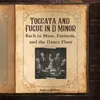
Toccata and Fugue in D Minor: Bach to Muse, Eminem, and the Dance Floor
You know Bach’s Toccata and Fugue in D minor even if you have never seen the title. Three sharp notes, a pause, then the famous fall down the organ keyboard. In cartoons and horror films, it usually means castles, capes, lightning, or unsafe laboratory conditions.But BWV 565 is more than Gothic scenery. This episode looks at why the piece works so well: the theatrical freedom of the toccata, the organized machinery of the fugue, the enormous sound of the organ, the doubled octaves, the pauses, the unstable diminished-seventh chord, and the bass arriving like the floor has opened.Then the piece escapes. Rick Wakeman borrows its organ drama. Mike Oldfield hears it upside down in Tubular Bells. Eurodance turns the gesture into a synth hook. Muse channels fast minor-key drama into Plug In Baby. Eminem samples the fugue’s logic rather than the famous opening.The episode asks why some music survives not as a museum piece, but as a machine other musicians keep switching on.
Podzilla Summary coming soon
Sign up to get notified when the full AI-powered summary is ready.
Free forever for up to 3 podcasts. No credit card required.
Listen to This Episode
More from Songs from the Dead: Short Histories of Legendary Songs

Happy Birthday to You: The Song Everybody Knows

Boatswain: Byron's Epitaph for His Dog (Bonus episode)
Whiskey in the Jar: Betrayal Ballad, Then and Now
Where to Start with Songs from the Dead
Get summaries like this every morning.
Free AI-powered recaps of Songs from the Dead: Short Histories of Legendary Songs and your other favorite podcasts, delivered to your inbox.
Free forever for up to 3 podcasts. No credit card required.