Free Daily Podcast Summary
Sermons of Dr. Martyn Lloyd-Jones: Daily Summaries Delivered
by MLJ Trust
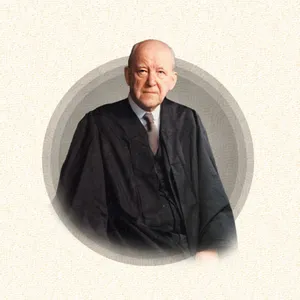
The MLJ Trust presents original audio recordings of the sermons of Dr. Martyn Lloyd-Jones (1899-1981). Dr. Lloyd-Jones was a Welsh minister who preached and taught in the Reformed tradition. He is considered by many evangelical leaders today to be an authority on biblical truth and the sufficiency of Scripture. Dr. Lloyd-Jones’ principal ministry was at Westminster Chapel, in central London, from 1939-1968, where he delivered multi-year expositions on books of the bible such as Romans, Ephesians and the Gospel of John.
Latest Episodes
The most recent episodes — sign up to get AI-powered summaries of each one.
- Yesterday
The One Mediator
Because of sin, all are alienated from one another and God. In this sermon on Ephesians 2:16 titled “The One Mediator,” Dr. Martyn Lloyd-Jones is quick to explain that by the blood of Christ, sinful people can be reconciled to one another and God. Jew and Gentile can be one in the new body of Christ where all who repent and believe in His name are adopted. Rebellious sinners can only be made right with God through the atoning death of Christ on the cross of Calvary. There He removed the offenses against God, ensuring redemption for all those who God elected. This death was not simply a moral example for others to follow, nor was it merely a display of God’s love. As Dr. Lloyd-Jones asserts, it is in the cross where God was reconciling the world to Himself through the blood of Christ so that all who believe are made holy and righteous before Him. The death of Christ Jesus at the hands of sinners is the only way that there can be fellowship restored between fallen sinners and the holy God who created them. This is the great message of the gospel. There is no other true message of reconciliation and salvation between God and sinners. The church must be faithful and bold in its proclamation of this truth to the whole world, for it is the only hope for sinful people.
- 5 days ago
Christ's Way of Making Peace
In Jesus Christ a new harmony formed, not along the lines of race, family, or country, but in the basis of membership in the family of God. In this sermon on Ephesians 2:15 titled “Christ’s Way of Making Peace,” Dr. Martyn Lloyd-Jones proclaims the words of Paul, saying all who believe are adopted into God’s family and become inheritors with Christ of the whole world. In this new people there is neither Jew nor Gentile, for the people of God are those who are the children of Abraham by nature of their faith in Christ and their adoption into God’s family. This is why division in the church on the basis of age, race, and nationality are such a travesty. The peace of God transcends all divisions and walls. This peace, as Dr. Lloyd-Jones describes, is one that makes fallen men and women righteous before God and it also puts them in a right relationship with one another as brothers and sisters in the family of God. This new relationship is the first fruits of what is to come in the new creation that Christ will bring to completion when He returns in glory and judgment on the last day. The church should look to the peace that Christ has granted in the gospel as the greatest hope in the Christian life.
- 6 days ago
He is Our Peace
In this sermon on Ephesians 2:14–16 titled “He is Our Peace,” Dr. Lloyd-Jones explains that the main purpose of Paul’s letter to the Ephesians is to encourage the church in the peace of Christ. Christians have been saved and are in the body of Christ and as such, they have been redeemed and the war with God is over. They now have the peace of Christ that governs them. Dr. Lloyd-Jones says that the realization that Christ is the peace of believers is one of the most significant and meaningful encouragements to the soul. Only when people understand the true nature of sin do they understand the true nature of salvation. Additionally, Dr. Lloyd-Jones addresses some who would discount the first few chapters of Genesis. Dr. Lloyd-Jones stresses that without the beginning of the Bible, people will not understand why the world is as corrupt as it is, nor will they witness the roots of the gospel. Without understanding the sin that originates in Genesis, people will be confused about the lack of peace in the world. Unbelievers will never have peace with each other unless they have peace with God in salvation. Thankfully Jesus made a way to have peace with God through His death on the cross. Through Christ, all can have lasting peace.
- 1 weeks ago
The Blood of Christ
A new pathway to God cannot be invented. Whether through morality and good deeds or by the ritual of religion and mysticism, there is no human invention that will save humanity. On their own, none of these are sufficient to bring people near to God. In this sermon on the blood of Christ from Ephesians 2:13, Dr. Martyn Lloyd-Jones shares that the theology of blood is offensive to modern people. The blood of Christ, in His sacrificial death, is a scandal to people today. While people, even some who claim to be Christian, go to great lengths to deny this teaching, one cannot escape the truth that is found throughout Scripture about the necessity of the blood of Christ. Dr. Lloyd-Jones traces this theme in the Bible in order to demonstrate why the death of Christ was necessary. Far from being a doctrine to be despised, it is a doctrine to be cherished by those with eyes to see it. It is a doctrine where full assurance and forgiveness can be found. Listen attentively as Dr. Lloyd-Jones expounds on wonderful truths of expiation, atonement, and sacrifice.
- 1 weeks ago
You Who Were Far Off
Everyone has a past. It is often painful to look back on one’s life and see the suffering their sin caused others and how it offends a holy and righteous God. But if one recognizes God’s power in salvation, “looking back” is an important ingredient. In this sermon on Ephesians 2:13 titled “You Who Were Far Off,” Dr. Martyn Lloyd-Jones states that the other ingredient to consider is the Christian’s current position because of God’s power. The apostle Paul remarkably does this with just one word: “but.” This word brings relief to the believer in Christ and points to the utter contrast between the old life and the new life in Christ. It also points to the separation between the believer and the unbeliever. Dr. Lloyd-Jones explores this contrast by looking at the details of the new covenant. One must not think that the absolute nature of the contrast is only true for those who were “really” bad before Christ. The difference between a Christian and a non-Christian is an absolute difference, whether one grew up in a respectable environment or the gutters of life. Listen as Dr. Lloyd-Jones takes a close look at the remarkable promises of the new covenant.
- 1 weeks ago
Without Christ
The greater one understands the depths of their sin, the more they understand the greatness of God’s mercy. For the Christian there is a reciprocal relationship between looking to their life before Christ and the amount of praise they offer to God. If the believer never examines their state of being without Christ, thanksgiving to God for salvation will unlikely mark their life. In this sermon on Ephesians 2:12 titled “Without Christ,” Dr. Martyn Lloyd-Jones follows Paul in challenging what it means to be without Christ in order to see just how astounding salvation really is. The worst condition of a person is that they are without Christ. But what does this really mean? Dr. Lloyd-Jones walks through the biblical text in order to show what it means to be a stranger towards God’s covenant people, to be an alien to the commonwealth of Israel. This alienation from God and His covenant people will undoubtedly lead to a life without hope. Soberly listen and contemplate a state without Christ and then rejoice that one can flee to him and find new hope.
- 1 weeks ago
Jew and Gentile
Political debates, class warfare, as well as ethnic and religious conflict, seem to dominate the media’s attention. What could an ancient text like Paul’s letter to the Ephesians say to such matters, especially for the people of God? Dr. Martyn Lloyd-Jones walks through an ancient conflict of Jew and Gentile which mirrors all conflicts, both past and present. While unregenerate people will certainly reject Paul’s diagnosis of divisions and strife between nations, classes, and the sexes, the Christian church cannot. In adhering to the apostolic message, the church will not only be in a position to accurately diagnosis the problem, but by the grace of God, it will see the gospel transform prideful and selfish hearts. This is the key to true reconciliation and unity between all people, Jew or Gentile. Listen as Lloyd-Jones diagnoses the cause of divisions that continue to haunt the human race, and consider the vanity with which the world seeks to remove strife and conflict without considering the condition of the human heart. He speaks to how the gospel alone is the cure to the chaos surrounding our world.
- 1 weeks ago
His Workmanship
It is through salvation that Christians instantly join the eternal family of Christ. In this sermon on Ephesians 2:10 titled “His Workmanship,” Dr. Martyn Lloyd-Jones shows how redeemed men and women now live new lives that are marked by the work of Christ in their hearts. This continual work in the life of believers is what is commonly called sanctification. Dr. Lloyd-Jones proclaims that part of salvation is that all who are truly regenerated are continually formed and fashioned in holiness so that they imitate Christ. God uses many means to conform Christians to the image of Christ, but one of the main ones is the chastisements of God. When believers fall into sin, God brings rebuke and correction into their life as a good father would. This is both a great comfort and reassurance of salvation, for all whom are truly saved are sons and daughters of God and treated as such. Those who claim that one can be saved yet not be sanctified grossly misunderstand the Scriptures’ teaching. From start to finish, all of salvation is under the control of God. For this reason, God works so that those whom He saved will be brought to fulfillment through sanctification and glorification.
Get Sermons of Dr. Martyn Lloyd-Jones summaries in your inbox
Free AI-powered daily recaps. Key takeaways, quotes, and mentions — in a 5-minute read.
Get Free Summaries →Free forever for up to 3 podcasts. No credit card required.
You Might Also Like
Listeners also like.
Light + Truth
Sermons by John Piper exploring Christian theology and the supremacy of Christ, hosted by Dan Cruver.
Things Unseen with Sinclair B. Ferguson
Thematic daily reflections on Christian faith and spiritual growth from a Reformed perspective.

Timothy Keller Sermons Podcast by Gospel in Life
Sermons by a New York City pastor exploring Christian theology and the application of faith to urban life.
Renewing Your Mind
Daily Bible teaching from a Reformed Christian perspective, focusing on theology and applying Scripture to life.

Tony Evans' Sermons - Audio
Sermons by Dr. Tony Evans focused on restoring hope and transforming lives through biblical teaching.

Truth For Life Daily Program
Bible teaching aimed at converting unbelievers, establishing believers, and strengthening churches through daily application of Scripture.

Grace to You: Radio Podcast
Verse-by-verse Bible teaching to help listeners understand and apply Scripture to daily life.

Scripture Central
Provides research, videos, and digital resources to strengthen faith in Jesus Christ through the Book of Mormon and Restoration scripture.

Unshaken Saints
A religion scholar explores scripture, doctrine, and faith crises to help strengthen belief amid cultural and spiritual change.

Issues, Etc.
Discusses a wide range of topics with experts, centered on Christian faith and teachings.
Standard of Truth
Explores Latter-Day Saint history to deepen understanding and strengthen faith, hosted by a BYU professor of Church History and Doctrine.

The Mark Driscoll Podcast
Bible teaching and discussions on Christian manhood from a conservative evangelical perspective.
About Sermons of Dr. Martyn Lloyd-Jones
The MLJ Trust presents original audio recordings of the sermons of Dr. Martyn Lloyd-Jones (1899-1981). Dr. Lloyd-Jones was a Welsh minister who preached and taught in the Reformed tradition. He is considered by many evangelical leaders today to be an authority on biblical truth and the sufficiency of Scripture. Dr. Lloyd-Jones’ principal ministry was at Westminster Chapel, in central London, from 1939-1968, where he delivered multi-year expositions on books of the bible such as Romans, Ephesians and the Gospel of John.
Customized Recaps
AI-powered recaps with compact key takeaways, quotes, and insights.
Straight to Your Inbox
Get key takeaways from Sermons of Dr. Martyn Lloyd-Jones in a 5-minute read.
Save Hours Every Week
Stay current on your favorite podcasts without falling behind.
Frequently Asked Questions
What is Podzilla's Sermons of Dr. Martyn Lloyd-Jones daily summary?
It's a free AI-powered email that summarizes new episodes of Sermons of Dr. Martyn Lloyd-Jones as soon as they're published. You get the key takeaways, notable quotes, and links & mentions — all in a quick read.
How does the Sermons of Dr. Martyn Lloyd-Jones podcast summary work?
When a new episode drops, our AI transcribes and analyzes it, then generates a personalized summary tailored to your interests and profession. It's delivered to your inbox every morning.
Is this an official Sermons of Dr. Martyn Lloyd-Jones product?
No. Podzilla is an independent service that summarizes publicly available podcast content. We're not affiliated with or endorsed by MLJ Trust.
Can I get summaries of other podcasts too?
Absolutely! The free plan covers up to 3 podcasts. Upgrade to Pro for 15, or Premium for 50. Browse our full catalog at /podcasts.
How often does Sermons of Dr. Martyn Lloyd-Jones release new episodes?
Sermons of Dr. Martyn Lloyd-Jones publishes daily. Our AI generates a summary within hours of each new episode.
What topics does Sermons of Dr. Martyn Lloyd-Jones cover?
Sermons of Dr. Martyn Lloyd-Jones covers topics including Religion & Spirituality, Spirituality, Christianity. Our AI identifies the specific themes in each episode and highlights what matters most to you.
Start getting Sermons of Dr. Martyn Lloyd-Jones summaries tomorrow morning.
Free forever for up to 3 podcasts. No credit card required.
Free forever for up to 3 podcasts. No credit card required.