Free Daily Podcast Summary
Senior Pet Talk | for dogs + cats: Daily Summaries Delivered
by Dr. Amanda Steffen
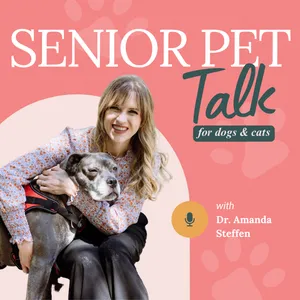
Senior Pet Talk is your whole medicine approach guide to becoming the most prepared and informed advocate for your senior pet. Bring what you learn here into every vet visit, every care decision, and every stage of the journey ahead. Every week, integrative veterinarian Dr. Amanda Steffen — founder of Floyd's Tale Mobile Veterinary Services, creator of the Senior Pet Roadmap, and certified veterinary acupuncturist with over a decade in senior pet care — breaks down the science of aging in plain language so you can recognize changes sooner, understand your options, and advocate confidently for the pet you love. Her approach blends western medicine and eastern wisdom — acupuncture, Chinese herbs, rehabilitation, palliative care, nutrition, and more — because the best care plan uses every tool available. You'll learn to tell normal aging from what needs attention, recognize hidden pain, understand integrative medicine, and navigate this chapter with clarity and grace — covering everything from dementia and kidney disease to nutrition, acupuncture, quality of life, and end-of-life planning. Solo episodes, expert interviews, and real stories from pet parents living this right alongside you. Everyone is doing the best they can with the information they have. This show gives you more of it.
Latest Episodes
The most recent episodes — sign up to get AI-powered summaries of each one.
- Yesterday58 min
31. Positive Training for Senior Pets with Julie Smith
What is cooperative care for pets, and how do I train my senior cat for it? Today, Dr. Amanda is joined by another amazing guest, Julie Smith, who works at a zoo and is passionate about behavioral training. Together, they're diving into positive reinforcement and cooperative care, and how it can make veterinary handling, medications, and everyday care a little less stressful for our senior cats.They talk about:What cooperative care is and why it mattersHow training turns stressful care into a partnership instead of a struggleWhere to start when training your catTarget training and how it worksJulie’s experiences training her own catsTeaching cats to accept eye drops and preparing for specific medical needsUsing buttons in training and how they’ve helpedWhy senior cats can still learn new behaviorsSigns of discomfort to watch for during trainingHow to work alongside your veterinary teamSimple steps you can start practicing todayYou don't have to teach everything overnight. Small, positive steps can make a big difference. Listen in to learn how to start building a more cooperative, confidence-building approach to caring for your senior pet.LINKSConnect with Julie on Instagram @loki_the_wondercat or TikTok @loki_the_wondercatSign up for Dr. Steffen’s email list and grab the freebies here: http://www.seniorpetconnection.com/freebiesFollow Senior Pet Talk and find Dr. Amanda on Instagram at @dramandasteffen.Website: http://seniorpetconnection.comBook your personalized virtual consultation: https://bit.ly/SPTConsultTRANSCRIPTTIME STAMPS00:00 - Meet Julie and how she got into animal training04:49 - What cooperative care means and why it matters06:56 - Why cats can be trained, too09:46 - The easiest place to start positive reinforcement training11:10 - Training her cat Loki after her CCL injury16:09 - The trickiest behaviors to teach her cats18:00 - When she started training her cats18:33 - Training tips for senior cats22:12 - How target training works24:15 - Finding the right crate and harness for your cat28:16 - Teaching cats to accept eye drops33:08 - Why she started using communication buttons36:46 - Building a shared language for cooperative care39:04 - Floor buttons vs. wall buttons41:02 - Why senior cats can still learn new cues43:21 - How to recognize stress during training46:55 - Creating a care plan with your veterinary team53:08 - Simple steps to start todayDisclaimer: Senior Pet Talk is not a substitute for professional veterinary care or the clinical judgment of a licensed veterinarian. This podcast is for educational purposes only and should not be used to diagnose, treat, or make medical decisions for your pet. Always consult your veterinarian regarding your pet's specific health needs.
- 1 weeks ago55 min
30. Ozone for Your Pet with Jonathan Lowe
Is ozone therapy safe for pets? Today, Dr. Amanda is joined by special guest Jonathan Lowe, founder of O3Vets and O3Pets, to talk about how ozone therapy is used in veterinary care, including how it works, the ways it’s administered, safety considerations, and where it fits alongside conventional and integrative treatments.They discuss:What ozone therapy isWays to administer ozone, including injections and other treatment methodsHow ozone may support the bodyWhether ozone therapy is safe for your petCommon uses, how often it’s typically given, and options for at-home careHow ozone can be used alongside conventional veterinary treatmentsPairing ozone with other integrative therapiesCommon misconceptions about ozone therapyOzone therapy may be another great option for you as a pet owner if other approaches have had limited results. Ready to learn more? Listen in now.LINKSConnect with Jonathan and O3PetsWebsite: https://www.o3pets.com/Instagram: https://www.instagram.com/o3pets/Facebook: https://www.facebook.com/o3petsFacebook group: https://www.facebook.com/groups/petozoneYouTube: https://www.youtube.com/@Ozone4PetsSign up for Dr. Steffen’s email list and grab the freebies here: http://www.seniorpetconnection.com/freebiesFollow Senior Pet Talk and find Dr. Amanda on Instagram at @dramandasteffen.Website: http://seniorpetconnection.comBook your personalized virtual consultation: https://bit.ly/SPTConsultTRANSCRIPTTIME STAMPS00:00 - Meet Jonathan, O3Pets, and O3Vets03:57 - Ozone therapy basics06:56 - Ways to administer ozone08:48 - How ozone supports the body11:07 - How safe is ozone therapy?18:15 - Treatment methods and ozone injections23:38 - Ultraviolet blood irradiation26:47 - Ozone for autoimmune conditions30:07 - Combining ozone with other treatments33:31 - How often ozone is used and common uses39:50 - Pairing ozone with integrative therapies43:33 - Common ozone therapy misconceptions47:53 - Ozonated products for home care51:19 - How to find a trained ozone veterinarianDisclaimer: Senior Pet Talk is not a substitute for professional veterinary care or the clinical judgment of a licensed veterinarian. This podcast is for educational purposes only and should not be used to diagnose, treat, or make medical decisions for your pet. Always consult your veterinarian regarding your pet's specific health needs.
- 2 weeks ago30 min
29. What Pain Meds Should Senior Dogs Use?
What pain meds should my senior pet be taking? When your vet hands you a prescription for your senior pet, do you know what that medication is actually doing, what side effects to watch for, or how long your pet should be taking it? Today, Dr. Amanda talks all about pain medications for senior pets because understanding what we're giving our pets, why we're giving it, and what to expect can help us make more informed decisions alongside our veterinarian.In this episode, we cover:Why understanding a pain medication's purpose, potential side effects, and recommended duration matters.How arthritis can affect joints throughout the body and how uncontrolled pain can impact your pet's sleep, appetite, activity, and behavior.What wind-up pain isHow NSAIDs help reduce joint inflammation, common gastrointestinal side effects, and potential liver and kidney concernsHow Adequan supports cartilage and joint fluid in pets with arthritis.Where gabapentin fits into a short-term pain flare plan.How medications like Amantadine and Subcutaneous ketamine can help address pain signals in the brain.When acetaminophen may be considered as an add-on to a pain management plan.What to know about Librela, including its potential benefits and risks.Emerging options like stem cell therapy and other approaches to managing chronic pain.If you have a senior dog or cat living with arthritis or chronic pain, this episode will help you better understand the options available and have more informed conversations with your veterinarian about finding the right pain management plan for your pet.LINKSMissed the episode on subtle signs of arthritis pain? Catch it here!Interested in joining the course? Check it out at http://seniorpetconnection.com/roadmapSign up for Dr. Steffen’s email list and grab the freebies here: http://www.seniorpetconnection.com/freebiesFollow Senior Pet Talk and find Dr. Amanda on Instagram at @dramandasteffen.Website: http://seniorpetconnection.comBook your personalized virtual consultation: https://bit.ly/SPTConsultTRANSCRIPTTIME STAMPS00:00 Understanding pain medication options for senior pets05:24 NSAIDs for long-term arthritis relief09:44 How Adequan supports aging joints14:26 What happens when first-line treatments aren't enough17:26 Understanding wind-up pain in senior pets22:39 Acetaminophen and Librela: benefits and risks26:10 Exploring Stem Cell Therapy28:23 Flare plans and what comes nextDisclaimer: Senior Pet Talk is not a substitute for professional veterinary care or the clinical judgment of a licensed veterinarian. This podcast is for educational purposes only and should not be used to diagnose, treat, or make medical decisions for your pet. Always consult your veterinarian regarding your pet's specific health needs.
- 3 weeks ago30 min
28. Fix your Senior Cat's Litter Box
Your senior cat has used the litter box perfectly their entire life, and now they’re going by the couch, in your bed, or in the closet, and you have no idea why? The good news is that sometimes the fix is really cheap and really easy. Today, Dr. Amanda talks about your senior cat’s litter box and everything that goes with it.She discusses:Why senior cats may start urinating or defecating outside the litter boxChecking for medical causes first, including urinary infections, stones, kidney disease, and moreLitter box size and accessibilityThe type of litter to consider, and how often to clean and sanitize the boxesWhy boxes should be placed near areas where senior cats spend time, in quiet locations away from food and waterWhy automatic robot litter boxes may be difficult for senior catsListen in to find one practical adjustment you can make today. It could be the difference between your senior cat using the litter box or going outside of it, and having comfort when they do.LINKSSign up for Dr. Steffen’s email list and grab the freebies here: http://www.seniorpetconnection.com/freebiesFollow Senior Pet Talk and find Dr. Amanda on Instagram at @dramandasteffen.Website: http://seniorpetconnection.comBook your personalized virtual consultation: https://bit.ly/SPTConsultTRANSCRIPTTIME STAMPS00:00 - Why senior cats may suddenly avoid the litter box02:21 - Medical causes of litter box problems04:38 - Choosing the right litter box09:32 - Litter types and how often to clean11:38 - How many litter boxes you need and where to put them16:36 - Robot litter boxes: pros and cons19:08 - DIY boxes and safer access23:08 - The senior cat litter box checklist26:52 - Pick one change to make todayDisclaimer: Senior Pet Talk is not a substitute for professional veterinary care or the clinical judgment of a licensed veterinarian. This podcast is for educational purposes only and should not be used to diagnose, treat, or make medical decisions for your pet. Always consult your veterinarian regarding your pet's specific health needs.
- 4 weeks ago27 min
27. Herbs, Acupuncture, and the Gut-Brain Relationship in Pet Dementia
Is there anything you can do to help your pet with dementia? More than you might think! In this episode, Dr. Amanda shares stories, research, and treatment options that may help support brain health and improve some dementia-related symptoms in dogs and cats, including approaches you may not have heard of before.She discusses:The gut-brain connection and how the gut microbiome may relate to cognitive healthStudies exploring the connection between gut bacteria and dementiaEarly research on fecal microbiome transplants in dogsHow traditional Chinese veterinary medicine looks at brain health as part of the whole bodyFood therapy and why dental health, digestive issues, and pain should be considered when pets show dementia-like signsWhy some gut-based treatments can be more challenging in cats, along with other approaches being exploredHerbal formulations used to support cognitive function and calmnessCody’s experience with acupunctureIf your dog or cat has dementia and you’ve been told there’s nothing you can do except wait for it to progress, this episode is for you. There may be more ways to support your pet’s comfort and cognitive health than you realize. Tune in to learn about options you can discuss with your veterinarian.LINKSSign up for Dr. Steffen’s email list and grab the freebies here: http://www.seniorpetconnection.com/freebiesFollow Senior Pet Talk and find Dr. Amanda on Instagram at @dramandasteffen.Website: http://seniorpetconnection.comBook your personalized virtual consultation: https://bit.ly/SPTConsultTRANSCRIPTTIME STAMPS00:00 - What pet dementia really looks like02:09 - How the gut affects brain health07:50 - Studies on microbiome transfer08:28 - Why brain health starts with the whole body12:34 - Exploring fecal transplants and ozone therapy14:45 - Herbal support for pet dementia21:42 - Acupuncture and Cody’s storyDisclaimer: Senior Pet Talk is not a substitute for professional veterinary care or the clinical judgment of a licensed veterinarian. This podcast is for educational purposes only and should not be used to diagnose, treat, or make medical decisions for your pet. Always consult your veterinarian regarding your pet's specific health needs.
- Oct 22, 202633 min
26. Set Up Your Pet's Home for Success with Dementia
Did you know there’s a way to set up your home that can support your aging pet’s brain? Today, Dr. Amanda talks about how the right home setup can help improve quality of life for senior dogs and cats dealing with dementia, or cognitive decline.She discusses:Ways to adapt the home and daily routine to support senior dogs and cats with cognitive declineHow nightlights and a smaller, safer sleeping area can helpEnrichment activities that provide mental stimulation, including puzzle feeders, treat searches, scent games, toy rotation, and moreOptions for pets with limited mobility, such as stroller walks and physical therapyBalancing enrichment with routine and predictabilityWhy it helps to keep furniture, food and water bowls, and litter boxes in familiar placesPractical home modifications to improve safety and comfortWhy routine blood pressure checks matter for senior catsListen in to learn how to set up your home to support your pet and their brain health.LINKSHow do I know if my pet has dementia? Listen in here!Or missed the episode on pheromones? Catch it here!Sign up for Dr. Steffen’s email list and grab the freebies here: http://www.seniorpetconnection.com/freebiesFollow Senior Pet Talk and find Dr. Amanda on Instagram at @dramandasteffen.Website: http://seniorpetconnection.comBook your personalized virtual consultation: https://bit.ly/SPTConsultTRANSCRIPTTIME STAMPS00:00 - Introduction to home setup for aging pets01:48 - Floyd's story and lessons learned04:03 - Practical modifications: nightlights and space reduction06:12 - Signs of dementia in pets08:08 - Behavioral enrichment and senior dog classes09:47 - Enrichment activities: puzzle toys, scent games, and more12:09 - Home safety: lighting, gates, and environment consistency14:09 - Activities for cats: puzzle feeders, bird watching, and more16:05 - Physical therapy and routine for cognitive health17:58 - The importance of routine and predictability21:52 - Blood pressure in senior catsDisclaimer: Senior Pet Talk is not a substitute for professional veterinary care or the clinical judgment of a licensed veterinarian. This podcast is for educational purposes only and should not be used to diagnose, treat, or make medical decisions for your pet. Always consult your veterinarian regarding your pet's specific health needs.
- Oct 15, 202629 min
25. The Truth About Medications for Dementia
What should you know as a pet parent when it comes to medications for dementia? Today, Dr. Amanda gets into medications and other supportive options that may help with the signs of the disease.She discusses:Common symptoms of dementiaThe one U.S.-approved medication for canine cognitive dysfunction, selegiline, including how it’s used, how long it can take to see an effect, and the kinds of signs it may help mostPossible side effects, and the need to consider interactions with other medications that may increase the risk of serotonin syndromeOther symptomatic treatments, including trazodone and gabapentinSupplements and supportive options like melatonin and pheromone products for dogs and catsListen in to hear the medication options, what Dr. Amanda has seen, and what she recommends as an integrative veterinarian.LINKSMissed the core exercises episode? Catch it here!Sign up for Dr. Steffen’s email list and grab the freebies here: http://www.seniorpetconnection.com/freebiesFollow Senior Pet Talk and find Dr. Amanda on Instagram at @dramandasteffen.Website: http://seniorpetconnection.comBook your personalized virtual consultation: https://bit.ly/SPTConsultTRANSCRIPTTIME STAMPS00:00 - Early signs of dementia in senior pets05:21 - Selegiline for cognitive dysfunction09:45 - Serotonin syndrome risks to know about12:14 - Sleep aids for nighttime restlessness: trazodone and gabapentin19:10 - Supportive supplements: melatonin and pheromones24:44 - Integrative options for dementia care26:42 - Final thoughts on medication and dementiaDisclaimer: Senior Pet Talk is not a substitute for professional veterinary care or the clinical judgment of a licensed veterinarian. This podcast is for educational purposes only and should not be used to diagnose, treat, or make medical decisions for your pet. Always consult your veterinarian regarding your pet's specific health needs.
- Oct 8, 20261h 5m
24. The Grief All Pet Parents Face with Special Guest Dr. Jenn of Sage Paws
Have you felt sad about losing your pet while they're still here? That's what Dr. Amanda and her special guest, Dr. Jen, a veterinarian and expert in end-of-life pet care, dig into today. They cover anticipatory grief, how pet parents can recognize it in themselves, and ways to stay present and support their pets through this difficult time.Their discussion focuses on:What anticipatory grief is, and how it differs from post-loss griefSigns pet parents can recognize in themselves that they're grievingTools and techniques to stay present with your petThe importance of creating a plan for end-of-life care and aftercareCultural and personal beliefs about death, and how they shape pet care decisionsSupporting family members and partners through pet lossThe role of community and support networks in grief managementThis episode is for anyone caring for a senior pet or facing end-of-life decisions.LINKSConnect with Dr. Jenn on Instagram or on her website https://www.sagepaws.com/!Sign up for Dr. Steffen’s email list and grab the freebies here: http://www.seniorpetconnection.com/freebiesFollow Senior Pet Talk and find Dr. Amanda on Instagram at @dramandasteffen.Website: http://seniorpetconnection.comBook your personalized virtual consultation: https://bit.ly/SPTConsultTRANSCRIPTTIME STAMPS00:00 - Introduction to anticipatory grief in pets01:04 - What anticipatory grief is and how it differs from post-loss grief03:35 - The emotions and uncertainty that come with anticipatory grief07:13 - Signs you might be grieving before the loss10:10 - Tools to stay present with your pet15:12 - The role of rituals and memories20:35 - Supporting yourself and your pet during end-of-life27:14 - Planning for end-of-life and aftercare33:59 - Personal beliefs and cultural perspectives on death43:44 - Creating a meaningful goodbyeDisclaimer: Senior Pet Talk is not a substitute for professional veterinary care or the clinical judgment of a licensed veterinarian. This podcast is for educational purposes only and should not be used to diagnose, treat, or make medical decisions for your pet. Always consult your veterinarian regarding your pet's specific health needs.
About Senior Pet Talk | for dogs + cats
Senior Pet Talk is your whole medicine approach guide to becoming the most prepared and informed advocate for your senior pet. Bring what you learn here into every vet visit, every care decision, and every stage of the journey ahead. Every week, integrative veterinarian Dr. Amanda Steffen — founder of Floyd's Tale Mobile Veterinary Services, creator of the Senior Pet Roadmap, and certified veterinary acupuncturist with over a decade in senior pet care — breaks down the science of aging in plain language so you can recognize changes sooner, understand your options, and advocate confidently for the pet you love. Her approach blends western medicine and eastern wisdom — acupuncture, Chinese herbs, rehabilitation, palliative care, nutrition, and more — because the best care plan uses every tool available. You'll learn to tell normal aging from what needs attention, recognize hidden pain, understand integrative medicine, and navigate this chapter with clarity and grace — covering everything from dementia and kidney disease to nutrition, acupuncture, quality of life, and end-of-life planning. Solo episodes, expert interviews, and real stories from pet parents living this right alongside you. Everyone is doing the best they can with the information they have. This show gives you more of it.
Customized Recaps
AI-powered recaps with compact key takeaways, quotes, and insights.
Straight to Your Inbox
Get key takeaways from Senior Pet Talk | for dogs + cats in a 5-minute read.
Save Hours Every Week
Stay current on your favorite podcasts without falling behind.
Frequently Asked Questions
What is Podzilla's Senior Pet Talk | for dogs + cats daily summary?
It's a free AI-powered email that summarizes new episodes of Senior Pet Talk | for dogs + cats as soon as they're published. You get the key takeaways, notable quotes, and links & mentions — all in a quick read.
How does the Senior Pet Talk | for dogs + cats podcast summary work?
When a new episode drops, our AI transcribes and analyzes it, then generates a personalized summary tailored to your interests and profession. It's delivered to your inbox every morning.
Is this an official Senior Pet Talk | for dogs + cats product?
No. Podzilla is an independent service that summarizes publicly available podcast content. We're not affiliated with or endorsed by Dr. Amanda Steffen.
Can I get summaries of other podcasts too?
Absolutely! The free plan covers up to 3 podcasts, any in the catalog. Basic raises that to 15, Pro to 40 and Max to 100. Browse our full catalog at /podcasts.
How often does Senior Pet Talk | for dogs + cats release new episodes?
Senior Pet Talk | for dogs + cats publishes weekly. Our AI generates a summary within hours of each new episode.
What topics does Senior Pet Talk | for dogs + cats cover?
Senior Pet Talk | for dogs + cats covers topics including Medicine, Fitness, Health & Fitness, Kids & Family, Animals, Pets & Animals. Our AI identifies the specific themes in each episode and highlights what matters most to you.
Start getting Senior Pet Talk | for dogs + cats summaries tomorrow morning.
Free forever for up to 3 podcasts. No credit card required.
Free forever for up to 3 podcasts. No credit card required.