Free Daily Podcast Summary
Second Nature: Daily Summaries Delivered
by Commons
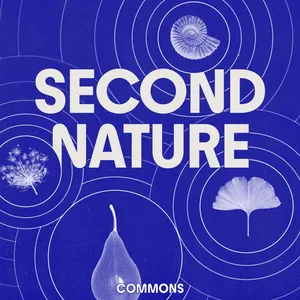
How does our money shape the world? Follow the money to see how our collective impact affects the environment and the economy. Dive into big topics with context, nuance, and the help of our community. Everyone’s sustainable life is unique.
Latest Episodes
The most recent episodes — sign up to get AI-powered summaries of each one.
- Yesterday35 min
We Need to Talk About AI
Production is underway on a new season! We're starting off strong with deep dives on how the AI boom is impacting our money. As a primer on the environmental impact of data centers, we thought it was the perfect time to revisit the episode: We Need to Talk About AI. This episode originally aired on May 25, 2025.When you ask ChatGPT to write a cover letter, make your grocery list, or edit an image, what's actually happening in the real world? As AI gets bigger by the day, it's requiring more and more energy, water, and land in communities around the world. Tech companies are investing billions of dollars in data centers and technologies to power AI, but are they also investing in sustainable and equitable resources to keep it going?Today, we’re going to take a step back from the chatbots to understand the true impact of AI, how we’re tracking and regulating that impact, and we’ll find out what it will take to build a sustainable future for AI with Shalolei Ren — associate professor of electrical and computer engineering at the University of California Riverside whose work focuses on AI for good. 🌎 See photos of our contributors and find further reading in the full show notes.📱 To join the Commons community, download the app.📷 Follow Second Nature on Instagram.📞 Want to submit to the show? We'd love to hear from you!Episode CreditsListener contributions: Kylie Kovatch, Artie Sadahiro, Nicole Collins, Parisa Golchoubian, Brian StancheskiEpisode expert: Shaolei RenEditing and engineer: Evan GoodchildHosting and production: Katelan Cunningham - Introduction - GPT is search on steroids - Our complicated relationship with AI - Is AI taking all our water and power? - Regulating the industry - What's next?
- 5 days ago2 min
Call for Submissions: AI & Our Money
We’re working on a new season of the Second Nature podcast, and we’re doing things a little bit differently this time around — More episodes on each topic. Deeper dives. Easier submission process. First up this season, we're tackling the question: How is AI Impacting Our Money? For the best shot at getting on an episode, please send in your submissions before November 8. Submitting is easy!Head to the submission form to see the questions and submit your audio. Record your audio and attach it to the form, then hit send!That's it! We'll let you know if we've featured your submission on the show.📱 Want to make your money count? Download the Commons app .📷 Follow Second Nature on Instagram. - Marker 1
- Jun 17, 202616 min
The Art of Being a Villager
It seems that the modern world is in its isolation era, leaving us craving the easy comfort of irl camaraderie. Ideally, the kind that comes without the need to buy a ticket or split a bill. Because becoming a villager isn't just a salve for loneliness, it's a rebellion against consumerism.After a whole season of following the money, we're wrapping up our finale contemplating how we can create community without it. We're hearing from our community about how they show up as villagers, and how they start their own villages. Turns out you don't need to bean extrovert, have a huge group chat, or be a pillar in your community. You just have to show up. These relationships we make with our community create bonds that strengthen our ability to adapt in climate disasters, financial instability, and even supply chain woes. And getting started is easier than you think.📱 Want to make your money count? Download the Commons app .🌎 Find citations and further reading in the full show notes.📞 Want to submit to the show? We'd love to hear from you!📷 Follow Second Nature on Instagram.Episode CreditsListener contributions: Nick Blocha, Elena Demireva, Tavia, Camila Bronson, Jen Horn, LenaResearch: Makenna McBriertyEditing and engineering: Evan GoodchildHosting and production: Katelan Cunningham
- Jun 10, 202646 min
The Data Center Next Door
When data centers come to town, power bills go up, the water supply gets squeezed, and emissions start to rise. It's no wonder seven in ten Americans don't want one in their backyard. In the midst of this AI gold rush, many tech companies are taking advantage of communities, health, wealth, and safety for promises of a better future. But communities aren't taking the bait. In this episode, we talk about the real life effects of AI infrastructure and hear how it's affecting folks in our community. We get the stats on this booming industry and what's at stake. We hear from Abre' Connor, the civil rights attorney leading the NAACP's lawsuit against Elon Musk's xAI — a data center that's now running 59 methane gas turbines in a Mississippi community, breaking a law that's been on the books since the 1970s.And we ask the uncomfortable question: could all this energy hunger actually accelerate the renewable transition? Is the AI revolution happening to us or for us? And what can we do about it? Episode rundown: - On thing we can agree on - The ripple effects of the AI boom - The NAACP Lawyer Taking Elon Musk's xAI - Can the Grid Save Us? - Keep Making Noise 📱 Want to make your money count? Download the Commons app .🌎 Find citations and further reading in the full show notes.📞 Want to submit to the show? We'd love to hear from you!📷 Follow Second Nature on Instagram.Episode CreditsListener contributions: Artie Sadahiro, Birdie Peelman, Amanda DoughtyResearch: Makenna McBriertyEditing and engineering: Evan GoodchildHosting and production: Katelan Cunningham
- Jun 3, 202637 min
How Cows and Congress are Raising Your Grocery Bill
You don't have to look much further than your grocery receipt to see how climate change can affect our food supply chain. But some of the key drivers of climate change are sitting right in our carts. It's a chicken-or-egg debacle that we're happy to explore on this episode if it means understanding how we can create a more adaptable, equitable food supply chain. Farms are dealing with historic heat waves slashing wheat and maize yields, record rainfall collapsing corn harvests, sea level rise swallowing farmland on the East Coast, and disappearing pollinators that one-third of our food supply depends on. And we're paying the price. We hear from our community about how the rising price of groceries has meant making sustainability tradeoffs on what they buy at the store. Food insecurity and the climate crisis are also intertwined. Maggie Baird, founder of Support and Feed, helps us understand how the animal agriculture industry is at the center of many climate (and health woes), challenging us to rethink food traditions rooted in culture and family identity. To better understand how we got here, Commons founder Sanchali Seth Pal follows the money through animal agriculture subsidies. Episode rundown: - How our food choices and the climate crisis feed each other - How climate change is affecting food prices - When sustainable food becomes a luxury you can't afford - Animal agriculture, culinary tradition, and food inequity with Maggie Baird - Our tax dollars are making meat cheaper? - Changing what we eat can change the climate 📱 Want to make your money count? Download the Commons app .🌎 Find citations and further reading in the full show notes.📞 Want to submit to the show? We'd love to hear from you!📷 Follow Second Nature on Instagram.Episode CreditsListener contributions: Sophia Anderson, Jeanne, Mary Klene, Molly Barton, Katherine, Dom AltomariResearch : Makenna McBriertyEditing and engineering: Evan GoodchildHosting and production: Katelan Cunningham
- May 27, 202642 min
Can We Vote Our Way Out of the Climate Crisis?
Government seems to move slower than the pace of climate change, so do our votes for climate candidates and policies actually make a difference? In this episode, we're connecting the dots between climate and policy and hearing from people around the world about how their governments’ policies are affecting their lives and their regions. We're also catching up with HEATED editor-in-chief Emily Atkin to hear how climate reporting has changed over the past couple of presidential terms and how she keeps her head above water after a decade of reporting on climate. We'll also talk to Commons founder Sanchali Seth Pal about climate policies around the world that have actually worked. If you're looking for resources to help you vote for the planet in the 2024 U.S. presidential election, or any upcoming U.S. election, here are some resources that could help: Vote Climate U.S. PAC's Voter Guide, Climate Cabinet's Climate Scorecard, League of Conservation Voter Scorecard.📱 Want to make your money count? Download the Commons app .🌎 Find citations and further reading in the full show notes.📞 Want to submit to the show? We'd love to hear from you!📷 Follow Second Nature on Instagram.Episode CreditsListener contributions: Anandi Yadav, Clara, Danielle Bird, Lindsay Kerns, Michael Chase, Nick Blocha, ShaiEditing and engineer: Evan GoodchildHosting and production: Katelan CunninghamEpisode rundown: - Every vote you cast is a climate vote - The price tag on our planet's worst year yet - Emily Atkin won't let Big Oil off the hook - Which climate laws are actually working? - Local elections are crucial
- May 20, 202641 min
Can We Shop Our Way to "Clean"?
The word "clean" on your shampoo bottle means exactly nothing — legally, anyway. The U.S. has taken so long to update regulations that it's created a huge gap between what consumers want — products without toxic chemicals — and what the government regulates. This means only a small portion of toxic chemicals used in manufacturing are actually regulated at a national level. Folks like advocate and author Lindsay Dahl have been working for decades to close this gap, passing dozens of laws in the process. But the regulatory gap has left space for a "clean" industry to emerge, and rack up lots of cash. The "clean" beauty industry alone is worth $7 billion. In this episode, we talk to Lindsay Dahl about how we've gone this far without adequate toxicity regulation and how to shop smarter, we hear how big beauty brands have pushed back against regulation, we find out how to use our voices for federal-level change, and we hear how our community is navigating this tricky landscape.If you want to check out any of the orgs Lindsay mentioned, you can find some here, and the full list is in her book, Cleaning House: Toxic Free FutureNatural Resources Defense CouncilEnvironmental Defense FundEnvironmental Working GroupSaferstates.org Episode rundown: - Why is this my job? - The history of chemical regulation - What does “clean” mean to you? - The fight rid our homes of toxic chemicals - Following the money - What you can do - Community Classified 📱 Want to make your money count? Download the Commons app .🌎 Find citations and further reading in the full show notes.📞 Want to submit to the show? We'd love to hear from you!📷 Follow Second Nature on Instagram.Episode CreditsListener contributions: Anna, Darice Chang, Nyiah, Kayla Joy , Sawyer, Grace Hebert, Dom AltomariResearch: </
- May 13, 202647 min
War is a Climate Issue
Your workout leggings, your morning commute, and the fertilizer to grow your food — what do they have in common? They're all fossil fuel legacies of war. In this episode, we connect the dots between the military and the climate crisis, tracing how wartime decisions made decades ago still shape and pollute our everyday lives.We sit down with Neta C. Crawford, professor of international relations at the University of St. Andrews and author of The Pentagon, Climate Change, and War, to unpack a staggering blind spot in our global emissions picture: the military. We also follow the money with Commons co-founder Sanchali Pal to understand how fossil fuel lobbyists helped gut the Kyoto Protocol, and what that means for climate targets today. And we hear how our community feels about using their money to avoid funding wars they don't support. Plus: what your vote and your spending have to do with all of it. Episode rundown: - The US military is the world's single largest institutional fossil fuel consumer. - War's Industrial Afterlife: Nylon, fertilizer, and freeways. - Community action: from campus divestment campaigns to rethinking their everyday spending. - A deep dive into military emissions, hidden history, and the case for diplomacy. - Following the Money: How Big Oil lobbied to keep military emissions off the global books - Your vote and your wallet are more powerful climate tools than you think. - Community Classified: Citizens’ Climate Lobby 📱 Want to make your money count? Download the Commons app .🌎 Find citations and further reading in the full show notes.📞 Want to submit to the show? We'd love to hear from you!📷 Follow Second Nature on Instagram.Episode CreditsListener contributions: Braden Marazzo-Nowicki, Diana Holguin, Drew, Julia Nolasco, Fionaa Bhatia, Nicole CollinsResearch: Makenna McBriertyEditing and engineering: Evan GoodchildHosting and production: Katelan Cunningham
Get Second Nature summaries in your inbox
Free AI-powered daily recaps. Key takeaways, quotes, and mentions — in a 5-minute read.
Get Free Summaries →Free forever for up to 3 podcasts. No credit card required.
You Might Also Like
Listeners also like.
Planet Money
Explains how economic forces influence everyday life and global events through storytelling and deep dives into surprising topics.

Planet Money Summer School
A crash course in economics that teaches fundamental concepts through real-world examples in everyday life.

The Great Simplification with Nate Hagens
Discussions with experts on energy, ecology, economics, and human behavior to understand the systemic challenges facing civilization.
For What It’s Earth
Emma Brisdion & Sophie Pavelle

Care More Be Better: A Podcast For Sustainable Social Impact and Regeneration
Features interviews with environmentalists, activists, and scientists focused on sustainable social impact and regenerative solutions.
What We Spend
People from different financial backgrounds share their income, expenses, and personal relationships with money over one revealing week.
Sustainable World Radio- Ecology and Permaculture Podcast
Experts discuss ecology, permaculture, organic gardening, and sustainable living through interviews and commentary.

Inquiring Minds
Explores the intersection of science and society through critical thinking and in-depth analysis.

Bloomberg Money
iHeartPodcasts

Business for Good Podcast
Entrepreneurs and business leaders discuss building companies that solve global problems while generating profit.

Other People's Pockets
Real people share personal stories about earning, spending, and building wealth in candid financial interviews.

Indigenous Earth Community Podcast
Indigenous leaders share traditional ecological knowledge to address modern environmental challenges.
About Second Nature
How does our money shape the world? Follow the money to see how our collective impact affects the environment and the economy. Dive into big topics with context, nuance, and the help of our community. Everyone’s sustainable life is unique.
Customized Recaps
AI-powered recaps with compact key takeaways, quotes, and insights.
Straight to Your Inbox
Get key takeaways from Second Nature in a 5-minute read.
Save Hours Every Week
Stay current on your favorite podcasts without falling behind.
Frequently Asked Questions
What is Podzilla's Second Nature daily summary?
It's a free AI-powered email that summarizes new episodes of Second Nature as soon as they're published. You get the key takeaways, notable quotes, and links & mentions — all in a quick read.
How does the Second Nature podcast summary work?
When a new episode drops, our AI transcribes and analyzes it, then generates a personalized summary tailored to your interests and profession. It's delivered to your inbox every morning.
Is this an official Second Nature product?
No. Podzilla is an independent service that summarizes publicly available podcast content. We're not affiliated with or endorsed by Commons.
Can I get summaries of other podcasts too?
Absolutely! The free plan covers up to 3 podcasts, any in the catalog. Basic raises that to 15, Pro to 40 and Max to 100. Browse our full catalog at /podcasts.
How often does Second Nature release new episodes?
Second Nature publishes weekly. Our AI generates a summary within hours of each new episode.
What topics does Second Nature cover?
Second Nature covers topics including Education, Culture, Journals, Society & Culture, Personal Journals. Our AI identifies the specific themes in each episode and highlights what matters most to you.
Start getting Second Nature summaries tomorrow morning.
Free forever for up to 3 podcasts. No credit card required.
Free forever for up to 3 podcasts. No credit card required.