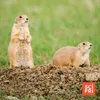
When Lewis and Clark crossed the United States in the early 1800s, they recorded their wildlife observations along the way. Now, more than 200 years later, an expedition is following the same route and partnering with scientists across the U.S. to catalog animals and track the changes. Expedition leader Roland Kays joins Host Flora Lichtman to share some highlights. Plus, using cell phone data and GPS collars, ecologists were able to see how animals moved (or not) when people were around. Ecologist Ruth Oliver tells us about her findings. Guests: Dr. Roland Kays is research professor at NC State University and director of the Biodiversity & Earth Observation Lab at the North Carolina Museum of Natural Sciences. Dr. Ruth Oliver is an ecologist and assistant professor at UC Santa Barbara. Other episodes you may enjoy: Are Raccoons On The Road To Domestication? Teamwork Between Species Is The Key To Life Itself Transcripts for each episode are available within 1-3 days at sciencefriday.com. Subscribe to this podcast. Follow our show on Instagram, TikTok, Facebook, and Bluesky @scifri and sign up for our newsletters. Got a science question that’s keeping you up at night? Call us: 877-4-SCIFRI Hosted by Simplecast, an AdsWizz company. See pcm.adswizz.com for information about our collection and use of personal data for advertising.
Podzilla Summary coming soon
Sign up to get notified when the full AI-powered summary is ready.
Free forever for up to 3 podcasts. No credit card required.
Listen to This Episode
More from Science Friday
A virus hunter in Nigeria has thoughts on the Ebola outbreak
How did Neanderthals deal with illness and injuries?

Looking for life in the clouds of Venus
Meet the drug developer taking on wildlife diseases
Get summaries like this every morning.
Free AI-powered recaps of Science Friday and your other favorite podcasts, delivered to your inbox.
Free forever for up to 3 podcasts. No credit card required.