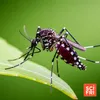
In Florida, three counties have declared states of emergency due to rising cases of dengue—a viral infection spread by mosquitos carrying the dengue virus. There have been around 1,000 cases in the state this year, making it the largest outbreak in the continental U.S. in decades. But this is part of a larger story. Over the last couple of decades, the number of dengue cases has surged globally, and dengue is becoming more common in places it hasn’t historically been. So what’s behind these shifts? And what public health measures should we be thinking about? Flora chats about this with epidemiologist Gabriela Paz-Bailey, chief of CDC’s dengue branch in San Juan, Puerto Rico. Guest: Dr. Gabriela Paz-Bailey is an epidemiologist and chief of the dengue branch in the Division of Vector-Borne Diseases of the CDC. She’s based in San Juan, Puerto Rico. Transcripts for each episode are available within 1-3 days at sciencefriday.com. Subscribe to this podcast or become a member. Follow us on socials @ scifri on YouTube, Instagram, Facebook, TikTok, and Bluesky and sign up for our newsletters. Got a science question that’s keeping you up at night? Call us: 877-472-4374 Hosted by Simplecast, an AdsWizz company. See pcm.adswizz.com for information about our collection and use of personal data for advertising.
Podzilla Summary coming soon
Sign up to get notified when the full AI-powered summary is ready.
Free forever for up to 3 podcasts. No credit card required.
Listen to This Episode
More from Science Friday

Voyager 1 is a full light-day away, and still going

The neuroscience behind ‘mommy brain’

Measles is now endemic in the US. Here’s how it erases immunity

Big news for our SuperFans
Get summaries like this every morning.
Free AI-powered recaps of Science Friday and your other favorite podcasts, delivered to your inbox.
Free forever for up to 3 podcasts. No credit card required.