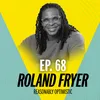
The $1 million prize for academics who tell unwelcome truths
What do you do when your research leads to a conclusion that challenges conventional wisdom? You can publish it and risk the backlash — or quietly bury the findings and move on to safer work. The Carob Trust Prize, a new $1 million award, aims to change that calculation by rewarding academics whose research challenges prevailing orthodoxies and withstands scrutiny. But can money really make telling the truth less costly?Harvard professor Roland Fryer co-founded the prize after facing that choice himself. He joins host Megan McArdle to discuss the experiences that shaped his work and the pressures that discourage scholars from pursuing unpopular findings. They also examine his research on racial achievement gaps and failing schools, as well as Nikole Hannah-Jones’s recent New York Times essay about sending her daughter to a high-poverty, segregated public school.Subscribe to The Washington Post here.
Podzilla Summary coming soon
Sign up to get notified when the full AI-powered summary is ready.
Free forever for up to 3 podcasts. No credit card required.
Listen to This Episode
More from Reasonably Optimistic
The job interview advice Gen Z needs to hear
Is AI taking Gen Z’s jobs? It’s not that simple.
How conservatism went from Reagan to Trump
Why everyone seems to hate Flock cameras
Get summaries like this every morning.
Free AI-powered recaps of Reasonably Optimistic and your other favorite podcasts, delivered to your inbox.
Free forever for up to 3 podcasts. No credit card required.