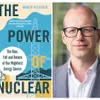
Marco Visscher: The atomic bomb was designed to bomb the world to peace, not to pieces. It's worked fairly well."
This is a free preview of a paid episode. To hear more, visit www.public.newsFor many decades after World War II, fears of nuclear war eclipsed all other fears, including overpopulation, climate change, and asteroids. Thousands of Hollywood movies, documentaries, and books raised the alarm. Images of devastation from Hiroshima and Nagasaki and deathly images of mushroom clouds from thermonuclear tests in the South Pacific and the Western United States made nuclear apocalypse seem like a probable outcome of continuing human progress.And yet the nuclear apocalypse never arrived. The United States and Russia have reduced their nuclear arsenals. The number of nuclear-armed nations grew only to nine, which is a fraction of the dozens of nations President John F. Kennedy and others in the foreign policy establishment had feared in the early 1960s. “The atomic bomb was designed to bomb the world to peace,” said Marco Visscher, the author of a dazzling new book, The Power of Nuclear. “Not to pieces, but to peace. Deterrence seems to have worked fairly well. We should be honest that this nuclear war that many people expected in the 1960s didn't come about.”
Podzilla Summary coming soon
Sign up to get notified when the full AI-powered summary is ready.
Free forever for up to 3 podcasts. No credit card required.
Listen to This Episode
More from Public

Pascal Clérotte: Ban on front-runner Marine Le Pen is “nail in the coffin of French democracy”

Matt Goodwin: UK is “a big pile of wood covered in gasoline”

Roger Pielke, Jr.: “Climate change is going to fade from view like overpopulation did”
R.R. Reno: “We may be moving to a point where the American right sets the agenda for the future politics of our country."
Get summaries like this every morning.
Free AI-powered recaps of Public and your other favorite podcasts, delivered to your inbox.
Free forever for up to 3 podcasts. No credit card required.