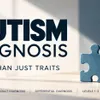
Autism Diagnosis Explained: DSM-5 Criteria, Autistic Traits & the Difficult Differential
Autism diagnosis is more complicated than recognizing a handful of autistic traits. In this episode, Dr. Fu and Dr. Malzberg unpack the DSM-5-TR criteria for autism spectrum disorder, including social communication differences, restricted and repetitive behaviors, developmental onset, impairment, and Levels 1–3. They then tackle one of the hardest parts of adult autism assessment: differential diagnosis, including overlap with ADHD, schizophrenia, and personality disorders. The conversation also explores theory of mind, masking, the double empathy problem, weak central coherence, and the empathizing-systemizing framework. The goal is a more clinically useful way to think about what distinguishes autistic traits from autism spectrum disorder and why developmental history matters. This is a public episode. If you would like to discuss this with other subscribers or get access to bonus episodes, visit psychofarm.substack.com
Podzilla Summary coming soon
Sign up to get notified when the full AI-powered summary is ready.
Free forever for up to 3 podcasts. No credit card required.
Listen to This Episode
More from Psychofarm Podcast
Trauma and PTSD: How the DSM Criteria Actually Help Us Understand What’s Going On
What Patients Should Know When Diagnosed With Depression
How to Diagnose Bipolar Disorder with Dr. Phelps: Hypomania, Mixed States & the Clues DSM Misses
Lindsay Clancy Case: Biggest Misconceptions After the Mistrial Explained by a Forensic Psychiatrist
Get summaries like this every morning.
Free AI-powered recaps of Psychofarm Podcast and your other favorite podcasts, delivered to your inbox.
Free forever for up to 3 podcasts. No credit card required.