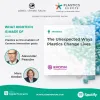
When we talk about plastics, we often think about packaging, recycling and waste. But what about the plastics that become part of the human body — sometimes for decades?In the latest episode of our series with Plastics Europe Deutschland, we speak with Alexander Paasche and Marc Knebel from Evonik about a fascinating side of material innovation: high-performance polymers that are helping shape the future of medical care.From personalized skull implants made with 3D printing to hip implants for dogs, the applications are as surprising as they are meaningful. At the center of the conversation is PEEK, a high-performance polymer that can offer an alternative to metal in certain medical applications.We discuss:How advanced plastics are enabling new possibilities for medical implants — including patient-specific solutionsWhy 3D printing is changing how implants are designed and manufactured, bringing surgeons and engineers closer togetherWhat it takes to develop materials that must meet the highest standards of safety, biocompatibility and long-term performanceHow reusable medical instruments, more efficient manufacturing and alternatives to metal can contribute to more sustainable healthcareOne of the most striking insights from the conversation is that innovation isn't always about producing more material. Sometimes, a few grams of the right polymer can make an extraordinary difference.And while the technology continues to evolve, the ultimate goal remains the same: better patient care, improved quality of life and medical solutions that can benefit more people.Sometimes the most impactful applications of plastics are the ones we never see. Listen now on Spotify and Apple Podcasts!
Podzilla Summary coming soon
Sign up to get notified when the full AI-powered summary is ready.
Free forever for up to 3 podcasts. No credit card required.
Listen to This Episode



Get summaries like this every morning.
Free AI-powered recaps of Plastic. Climate. Future. and your other favorite podcasts, delivered to your inbox.
Free forever for up to 3 podcasts. No credit card required.