
Army Psy-Op veteran talks influence, blowback, psy-op myths, and more
A talk with an Army Psychological Operations soldier about what military psy-op work really involves—and how different the reality is from many people's ideas about the nature of that work. We discuss his psy-op work in Afghanistan, why credibility and truth are usually much more persuasive and effective than deception, and fascinating historical operations involving surrender appeals, staged intelligence, and Vietnam’s eerie “ghost tapes.” We also explore the legal and ethical limits on influencing Americans, how social media has blurred those boundaries, how foreign influence campaigns exploit political polarization, and why “PSYOP” has become an all-purpose label for conspiracy theories. Finally, we examine the red flags that can help you identify self-proclaimed-but-deceptive military-persuasion experts (like Chase Hughes) who fabricate and exaggerate their credentials and experience to sell their psychology- and behavior-focused training and products. Hosted by Simplecast, an AdsWizz company. See pcm.adswizz.com for information about our collection and use of personal data for advertising.
Podzilla Summary coming soon
Sign up to get notified when the full AI-powered summary is ready.
Free forever for up to 3 podcasts. No credit card required.
Listen to This Episode
More from People Who Read People: A Behavior and Psychology Podcast
Are all “behavior experts” frauds? On Paul Ekman, Joe Navarro, the Behavior Panel, and more
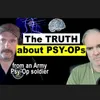
Army Psy-Op veteran talks influence, blowback, psy-op myths, and more
Can computers spot lies better than humans?, with Bennett Kleinberg

Can computers detect lies better than humans?, with Bennett Kleinberg
Get summaries like this every morning.
Free AI-powered recaps of People Who Read People: A Behavior and Psychology Podcast and your other favorite podcasts, delivered to your inbox.
Free forever for up to 3 podcasts. No credit card required.