Free Daily Podcast Summary
One Minute Remaining - Stories from the inmates: Daily Summaries Delivered
by Jack Laurence
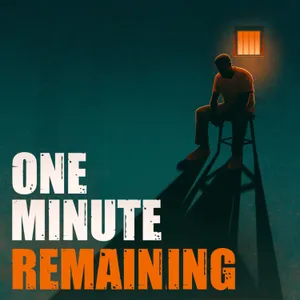
One Minute Remaining is a true crime and prison podcast featuring first-hand stories from inmates serving lengthy sentences inside prisons across the United States. From murder and attempted murder to robbery, arson and claims of wrongful conviction, these are criminal cases told from behind prison walls. Hosted by Jack Laurence, One Minute Remaining gives prisoners the opportunity to tell their stories in their own words. We examine the crimes, the evidence and the cases that led to their incarceration, while hearing directly from the people serving the sentences. Some maintain their innocence. Others admit exactly what they did. Some are serving life sentences or decades behind bars. The purpose isn't to prove them innocent or guilty — it's to hear their account, examine the case against them, and let you decide what you think. From murder cases and disputed convictions to extraordinary stories from inside the American prison system, One Minute Remaining takes listeners beyond the headlines and into cases they may never otherwise have heard. Hosted by Australian podcaster Jack Laurence.
Latest Episodes
The most recent episodes — sign up to get AI-powered summaries of each one.
- 4 days ago32 min
Traveontaye Berry: Convicted of Murder at 16 | 52 Years in Just 2 Hours P1
Traveontaye Berry was just 16 years old when he was arrested for the murder of Carl Green Jr. in Freeport, Illinois. Trae says he did not commit the crime. He would later be convicted of first-degree murder and sentenced to 52 years in prison.But before the arrest, the trial and the decades-long prison sentence, Trae was a kid being raised by his mother and grandmother who dreamed of one day playing professional football.In Part 1 of 52 Years in Just 2 Hours, Trae takes Jack back through his childhood — the people who raised him, the influence of his older cousins, hanging around the wrong crowd and the trouble that eventually saw him spend time in juvenile detention.He talks about his dreams of playing football and why he eventually walked away from the sport, before taking us through the events of the night that would change the course of his life forever.By the end of that night, Carl Green Jr. had been shot and killed and 16-year-old Traveontaye Berry was under arrest for his murder.Trae has maintained that he was not the person who killed Carl Green Jr.EARLY AND AD FREE ACCESS: for as little as $1.69 a week!Apple + HEREPatreon and find us on Facebook here. Hosted on Acast. See acast.com/privacy for more information.
- 6 days ago19 min
Fighting by writing - Tariq Maqbool
Today I catch up with Tariq MaQbool, a man who was once looking at life behind bars with no way of getting home. However a recent commutation by the governor means that he could be going home in just four years time. However the fight is not over, Tariq is in a battle with the system on multiple fronts and he's not going to give up. EARLY AND AD FREE ACCESS: for as little as $1.69 a week!Apple + HEREPatreon and find us on Facebook here. Hosted on Acast. See acast.com/privacy for more information.
- 1 weeks ago38 min
Unconditional Love
We recently covered the story of Christopher Bennette, a man convicted for murder, the murder of his abuser. Chris has spent decades fighting his conviction after being convinced to take a plea deal of 1800 years behind bars.Chris's story went viral during COVID after a friend uploaded it online. The producers of the hit daytime TV show Dr Phil saw his story and had him on the show to talk to the doctor.Chris says the only good thing to come out of that show was the lady who has become the love of his life and his biggest advocate on the outside and today I sit down for a chat with Chris's other half.EARLY AND AD FREE ACCESS: for as little as $1.69 a week!Apple + HEREPatreon and find us on Facebook here. Hosted on Acast. See acast.com/privacy for more information.
- 1 weeks ago22 min
A lifeline - David Talley
Today I catch up with a man who I'm asked about regularly. David Talley was handed a sentence fit for a murderer yet no one in his case died, no one was even harmed yet he was condemned to die behind bars.David has spent years fighting to get a resentencing hearing in his case without any luck. At the end of the day when it comes to the 'Justice System' it's all about money. If you want help it doesn't come cheap and so far David hasn't had enough money to get the help he needs. Recently I got word that a relative of David's who came into some inheritance had come forward and said they wanted to use some of that to help him in his situation. So now David has money and an attorney who believes he can get David back in front of a judge.EARLY AND AD FREE ACCESS: for as little as $1.69 a week!Apple + HEREPatreon and find us on Facebook here. Hosted on Acast. See acast.com/privacy for more information.
- 2 weeks ago14 min
How we've changed - Tony Duke.
As One Minute Remaining is set to tunr four I had an oppotnity recently to reflect on the last four years and how much this show has evolved and changed as have I.Four years ago I set out to make an interesting podcast about teh Amercian criminal justice system with stories from those who have found themselves on the wrong side of the law. I could never have known how it would change or change me! Recently on a call with Tony Duke I realised just how much both of those things have happened over the last four years.So this episode is a bit different to the norm! Just a case of thank you.EARLY AND AD FREE ACCESS: for as little as $1.69 a week!Apple + HEREPatreon and find us on Facebook here. Hosted on Acast. See acast.com/privacy for more information.
- 2 weeks ago19 min
A glimmer of hope? Dwight Bergeron
Today I catch up with Dwight Bergeron a man who has been incarcerated in the state of Louisiana for 34 years for a crime his supposed victims say never happened.Earlier this year another man who had been sitting on Louisianas death row for 30 years was exonerated, could this mans case hold the key to getting Dwight back into court?EARLY AND AD FREE ACCESS: for as little as $1.69 a week!Apple + HEREPatreon and find us on Facebook here. Hosted on Acast. See acast.com/privacy for more information.
- 3 weeks ago32 min
What the attorney thinks - Christopher Bennette
In the summer of 2003, in the small Virginia town of Craigsville, an 18 year old boy shot and killed the man the town knew as a former rescue squad captain and a pillar of the community. Christopher Bennett never denied it. He confessed, took a plea deal to avoid the death penalty, and was handed three consecutive life sentences totalling 1,800 years.But behind that front door, Chris and his siblings say, was a man the town never saw. Years of abuse. Children told to pray for help that never came. And a report of what was happening to his little sisters, made just one day before the shooting.Over this series, Jack chats with Chris from inside Buckingham Correctional Center about his childhood, that night, the sentence designed to outlive him, and a family still fighting to bring him home.---------------------------------------------------------------------------------------------------------------------------------------------------------------------------------------------------------------------------This series contains discussion of child sexual abuse, physical abuse and domestic violence. If you or someone you know needs support, help is available.Australia1800RESPECT (sexual assault and domestic violence, 24/7): 1800 737 732Blue Knot Foundation (adult survivors of childhood trauma): 1300 657 380Bravehearts (child sexual abuse support): 1800 272 831Kids Helpline (ages 5 to 25, 24/7): 1800 55 1800Lifeline (crisis support, 24/7): 13 11 14United StatesChildhelp National Child Abuse Hotline (24/7): 1-800-422-4453RAINN National Sexual Assault Hotline (24/7): 1-800-656-4673National Domestic Violence Hotline (24/7): 1-800-799-7233988 Suicide and Crisis Lifeline (24/7): call or text 988United KingdomNSPCC Helpline (adults concerned about a child): 0808 800 5000Childline (for anyone under 19, 24/7): 0800 1111NAPAC (adult survivors of childhood abuse): 0808 801 0331Rape Crisis England and Wales (24/7): 0808 500 2222Samaritans (24/7): 116 123International For domestic violence services in other countries, visit hotpeachpages.net for a directory of helplines and agencies worldwide.If a child is in immediate danger, call emergency services: 000 in Australia, 911 in the US, 999 in the UK.EARLY AND AD FREE ACCESS: for as little as $1.69 a week!Apple + HEREPatreon and find us on Facebook here. Hosted on Acast. See acast.com/privacy for more information.
- 3 weeks ago49 min
No One Was Coming P7
In the summer of 2003, in the small Virginia town of Craigsville, an 18 year old boy shot and killed the man the town knew as a former rescue squad captain and a pillar of the community. Christopher Bennett never denied it. He confessed, took a plea deal to avoid the death penalty, and was handed three consecutive life sentences totalling 1,800 years.But behind that front door, Chris and his siblings say, was a man the town never saw. Years of abuse. Children told to pray for help that never came. And a report of what was happening to his little sisters, made just one day before the shooting.Over this series, Jack chats with Chris from inside Buckingham Correctional Center about his childhood, that night, the sentence designed to outlive him, and a family still fighting to bring him home.---------------------------------------------------------------------------------------------------------------------------------------------------------------------------------------------------------------------------This series contains discussion of child sexual abuse, physical abuse and domestic violence. If you or someone you know needs support, help is available.Australia1800RESPECT (sexual assault and domestic violence, 24/7): 1800 737 732Blue Knot Foundation (adult survivors of childhood trauma): 1300 657 380Bravehearts (child sexual abuse support): 1800 272 831Kids Helpline (ages 5 to 25, 24/7): 1800 55 1800Lifeline (crisis support, 24/7): 13 11 14United StatesChildhelp National Child Abuse Hotline (24/7): 1-800-422-4453RAINN National Sexual Assault Hotline (24/7): 1-800-656-4673National Domestic Violence Hotline (24/7): 1-800-799-7233988 Suicide and Crisis Lifeline (24/7): call or text 988United KingdomNSPCC Helpline (adults concerned about a child): 0808 800 5000Childline (for anyone under 19, 24/7): 0800 1111NAPAC (adult survivors of childhood abuse): 0808 801 0331Rape Crisis England and Wales (24/7): 0808 500 2222Samaritans (24/7): 116 123International For domestic violence services in other countries, visit hotpeachpages.net for a directory of helplines and agencies worldwide.If a child is in immediate danger, call emergency services: 000 in Australia, 911 in the US, 999 in the UK.EARLY AND AD FREE ACCESS: for as little as $1.69 a week!Apple + HEREPatreon and find us on Facebook here. Hosted on Acast. See acast.com/privacy for more information.
Get One Minute Remaining - Stories from the inmates summaries in your inbox
Free AI-powered daily recaps. Key takeaways, quotes, and mentions — in a 5-minute read.
Get Free Summaries →Free forever for up to 3 podcasts. No credit card required.
You Might Also Like
Listeners also like.

Locked In with Ian Bick
Former inmates, law enforcement, and legal professionals share stories of hardship and resilience within the criminal justice system.

10 to Life
Annie Elise examines true crime cases, from murders and disappearances to cold cases and trials, uncovering details and seeking justice.
The Burden
A documentary series exploring corruption in law enforcement and the criminal justice system through real investigations and insider accounts.

Dateline: True Crime Weekly
Andrea Canning examines current true crime cases weekly with reporters, legal experts, and field updates.

The Binge Cases: What She Buried
A journalist investigates how a hacker targeted female gamers with swatting and harassment, and the fightback that brought him down.

True Criminals
Investigative journalists revisit high-profile and overlooked crime cases with firsthand sources and deep reporting insight.

True Crime All The Time Unsolved
A weekly exploration of unsolved true crime cases, focusing on victims, evidence, and suspects with a balance of seriousness and dark humor.

The Trial: USA
Analyzes major criminal trials through court transcripts, interviews with investigators and experts, and detailed courtroom evidence breakdowns.

48 Hours
Investigates compelling crime and justice cases through in-depth reporting, interviews, and evidence analysis.

Court Junkie
Covers wrongful convictions and unsolved crimes by analyzing court documents, attending trials, and interviewing affected individuals.

Crimehub: A True Crime Podcast
Examines disturbing and unbelievable true crimes from modern history with in-depth storytelling and new cases released weekly.

True Crime Tonight
Five nights a week, a deep dive into true crime cases, celebrity scandals, and trials with analysis and listener discussions.
About One Minute Remaining - Stories from the inmates
One Minute Remaining is a true crime and prison podcast featuring first-hand stories from inmates serving lengthy sentences inside prisons across the United States. From murder and attempted murder to robbery, arson and claims of wrongful conviction, these are criminal cases told from behind prison walls. Hosted by Jack Laurence, One Minute Remaining gives prisoners the opportunity to tell their stories in their own words. We examine the crimes, the evidence and the cases that led to their incarceration, while hearing directly from the people serving the sentences. Some maintain their innocence. Others admit exactly what they did. Some are serving life sentences or decades behind bars. The purpose isn't to prove them innocent or guilty — it's to hear their account, examine the case against them, and let you decide what you think. From murder cases and disputed convictions to extraordinary stories from inside the American prison system, One Minute Remaining takes listeners beyond the headlines and into cases they may never otherwise have heard. Hosted by Australian podcaster Jack Laurence.
Customized Recaps
AI-powered recaps with compact key takeaways, quotes, and insights.
Straight to Your Inbox
Get key takeaways from One Minute Remaining - Stories from the inmates in a 5-minute read.
Save Hours Every Week
Stay current on your favorite podcasts without falling behind.
Frequently Asked Questions
What is Podzilla's One Minute Remaining - Stories from the inmates daily summary?
It's a free AI-powered email that summarizes new episodes of One Minute Remaining - Stories from the inmates as soon as they're published. You get the key takeaways, notable quotes, and links & mentions — all in a quick read.
How does the One Minute Remaining - Stories from the inmates podcast summary work?
When a new episode drops, our AI transcribes and analyzes it, then generates a personalized summary tailored to your interests and profession. It's delivered to your inbox every morning.
Is this an official One Minute Remaining - Stories from the inmates product?
No. Podzilla is an independent service that summarizes publicly available podcast content. We're not affiliated with or endorsed by Jack Laurence.
Can I get summaries of other podcasts too?
Absolutely! The free plan covers up to 3 podcasts. Upgrade to Pro for 15, or Premium for 50. Browse our full catalog at /podcasts.
How often does One Minute Remaining - Stories from the inmates release new episodes?
One Minute Remaining - Stories from the inmates publishes every few days. Our AI generates a summary within hours of each new episode.
What topics does One Minute Remaining - Stories from the inmates cover?
One Minute Remaining - Stories from the inmates covers topics including True Crime. Our AI identifies the specific themes in each episode and highlights what matters most to you.
Start getting One Minute Remaining - Stories from the inmates summaries tomorrow morning.
Free forever for up to 3 podcasts. No credit card required.
Free forever for up to 3 podcasts. No credit card required.