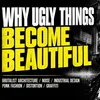
The Alchemy of the Imperfect: Why Ugly Becomes Beautiful
This episode examines the cultural evolution of aesthetics, specifically exploring why elements once dismissed as unattractive or defective often become celebrated as beautiful over time. By analyzing diverse fields such as Brutalist architecture, noise music, and punk fashion, the text argues that beauty is not an inherent trait but a context-dependent judgment shaped by history and social rebellion. The author highlights how perceived flaws, such as concrete textures, audio distortion, and industrial decay, gain value by providing a sense of authenticity and human presence that polished, mass-produced items lack. Ultimately, the essay suggests that imperfection and "ugliness" serve as essential catalysts for expanding the boundaries of human expression. This transformation occurs as society begins to value the narrative and process behind an object rather than just its surface appearance.【Related Column】なぜ醜いものは美しくなるのかhttps://monumental-movement.jp/column-why-ugly-things-become-beautiful/
Podzilla Summary coming soon
Sign up to get notified when the full AI-powered summary is ready.
Free forever for up to 3 podcasts. No credit card required.
Listen to This Episode
More from Monumental Movement Podcast

The Aesthetics of Quiet Storm R&B

Tango: From Social Margins to Global Cultural Icon

The Allure of the Analog: Why We Romanticize the Past

Why This Band Is Different When You Watch Them Than When You Hear Them: You Don't Hear Angine de Poitrine the Same Way You See Them
Get summaries like this every morning.
Free AI-powered recaps of Monumental Movement Podcast and your other favorite podcasts, delivered to your inbox.
Free forever for up to 3 podcasts. No credit card required.