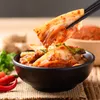
Episode 29: Kimchi — The Living Ferment Behind Korea's Signature Dish
That jar of kimchi in your fridge? It’s a tiny fermentation factory. 🥬🌶️In Episode 29 of Molecules Matter with Dr. Dan, we explore the living chemistry behind Korea’s signature dish—and why fermentation changes more than flavor.Dr. Dan is a reader-supported publication. To receive new posts and support my work, consider becoming a free or paid subscriber.Here’s what’s happening inside:🦠 LIVE BACTERIANaturally occurring lactic acid bacteria ferment the vegetables’ sugars, transforming salted cabbage into a tangy, complex food.🧪 ORGANIC ACIDSFermentation produces lactic acid and other compounds that give kimchi its signature sourness and help preserve it. As kimchi ages, its chemistry—and flavor—keeps changing.🌿 PLANT COMPOUNDSCabbage, garlic, ginger, and chili contribute vitamin C, sulfur compounds, gingerols, carotenoids, and capsaicin. Different ingredients bring different molecules to the table.What does the research suggest? Early human trials point to potential benefits for gut health, cholesterol, blood sugar, and body composition. Encouraging findings—but larger, longer studies are still needed. Kimchi isn’t a miracle food.Want the live cultures? Look for unpasteurized kimchi labeled with live cultures, keep it refrigerated, and enjoy it unheated. Cooking reduces live bacteria, but cooked kimchi still has nutritional value.One thing to watch: sodium. Check the label and keep portions reasonable, especially if you’re limiting salt.🎧 Listen to Episode 29 for the science behind every tangy bite. Save this post for your next grocery trip, share it with a fermented-food fan, and tell me: do you prefer your kimchi fresh and mild or aged and sour? 👇The molecules matter… because you matter.Dr. Dan is a reader-supported publication. To receive new posts and support my work, consider becoming a free or paid subscriber. This is a public episode. If you'd like to discuss this with other subscribers or get access to bonus episodes, visit dangublerphd.substack.com/subscribe
Podzilla Summary coming soon
Sign up to get notified when the full AI-powered summary is ready.
Free forever for up to 3 podcasts. No credit card required.
Listen to This Episode
More from Molecules Matter With Dr. Dan

Episode 29: Tart Cherry Juice
Episode 28: Punicalagins — The Pomegranate Molecule Your Gut Bacteria Have to Finish Making
Episode 27: Brazil Nuts — The Rainforest Seed Delivering Nature's Most Concentrated Dose of Organoselenium
Episode 26: Shilajit — The Mountain’s Ancient Exudate, and the Fulvic and Humic Acids Inside It
Get summaries like this every morning.
Free AI-powered recaps of Molecules Matter With Dr. Dan and your other favorite podcasts, delivered to your inbox.
Free forever for up to 3 podcasts. No credit card required.