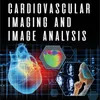
Cardiovascular Imaging and Image Analysis (3D Photorealistic Rendering)
Discusses automated diagnostic systems for early detection and analysis of cardiovascular diseases, which represent a leading cause of mortality. It emphasizes the importance of non-invasive medical imaging modalities—such as ultrasound, computed tomography, and magnetic resonance imaging—in evaluating vascular structures and quantifying cerebrovascular changes. By applying advanced segmentation algorithms and probability models, researchers can accurately delineate blood vessels from surrounding tissues to extract critical diagnostic features. Furthermore, these imaging techniques enable the correlation of cerebrovascular structural remodeling with clinical blood pressure measurements and mean arterial pressure over time. Ultimately, this computational framework aims to improve patient outcomes by identifying risks associated with hypertension and stroke before clinical symptoms fully manifest.Get the Book now from Amazon:https://www.amazon.com/Cardiovascular-Imaging-Analysis-Photorealistic-Rendering-ebook/dp/B07HZKSLBV?&linkCode=ll2&tag=cvthunderx-20&linkId=ce55ca7fc6dda28bc9e5828e23846064&language=en_US&gaOptInStatus=true&ref_=as_li_ss_tlYou can listen and download our episodes for free on more than 10 different platforms:https://linktr.ee/medicine_made_simpleProduced by:https://www.podcaistudio.com/
Podzilla Summary coming soon
Sign up to get notified when the full AI-powered summary is ready.
Free forever for up to 3 podcasts. No credit card required.
Listen to This Episode
More from Medicine Made Simple
ABC of the First Year (ABC Series)
Adult Infectious Diseases Over 200 Case Studies: Intended For: Medical Students, Ambulists, Hospitalists, Nurse Practitioners
Advanced Gene Delivery: From Concepts to Pharmaceutical Products
Self Assessment and Review of Anatomy
Get summaries like this every morning.
Free AI-powered recaps of Medicine Made Simple and your other favorite podcasts, delivered to your inbox.
Free forever for up to 3 podcasts. No credit card required.