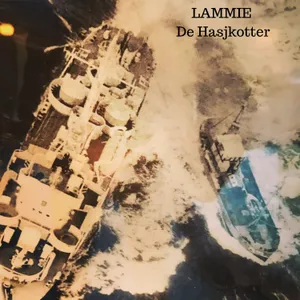
Free Daily Podcast Summary
LAMMIE, De Hasjkotter (verbeterde versie 2024): Daily Summaries Delivered
by Rik Bouman
Get key takeaways, quotes, and insights from LAMMIE, De Hasjkotter (verbeterde versie 2024) in a 5-minute read. Delivered straight to your inbox.
Latest Episodes
The most recent episodes — sign up to get AI-powered summaries of each one.
- Yesterday12 min
Derde Ronde van Los Angeles van 1932 tot 2028: Deel 34: Sprinter Valery Borzov's indrukwekkende prestaties en de Amerikaanse misser.
The primary focus of this podcast episode is an analysis of the remarkable performances of Valery Borzov during the 1972 Munich Olympics, particularly emphasizing the circumstances surrounding the absence of key American sprinters in the 100-meter event. We delve into the intricacies of that fateful race, where Borzov's exceptional speed and technique led him to victory, but also where a significant miscommunication regarding the race schedule resulted in the missed opportunity for the American athletes. The episode further explores Borzov's athletic prowess, including his technical mastery and background in physical education, which contributed to his superior performance. Additionally, we examine the broader implications of that Olympic event on the rivalry between American and Russian athletes, and the subsequent careers of the American sprinters affected by the incident. Through this discussion, we aim to provide a comprehensive understanding of both the historical context and individual narratives that shaped this pivotal moment in Olympic history.The podcast delves into the captivating narrative of the 1972 Munich Olympics, particularly focusing on the remarkable achievements of the Russian sprinter Valery Borzov. This episode unravels the complexities surrounding Borzov's triumphs in the 100 meters and 200 meters, highlighting not only his extraordinary speed but also the circumstances that led to these victories. The discussion intricately examines the absence of his primary American competitors due to a catastrophic scheduling error, which left the race to be dominated by Borzov. The hosts articulate the tension between Russian and American athletes during a politically charged era, offering insights into the broader implications of Borzov's success against the backdrop of the Cold War. Borzov’s background, training methods, and the technical prowess that characterized his running style are explored thoroughly, revealing how he meticulously analyzed race footage to enhance his performance. Furthermore, the episode reflects on the legacy of his achievements and the subsequent impact on international athletics, setting a tone of reverence for his contributions to the sport and acknowledging the tumultuous historical context in which they occurred. In this episode, the hosts embark on a riveting exploration of Valery Borzov’s remarkable sprinting prowess during the 1972 Munich Olympics. The narrative is steeped in the tension of the Cold War, outlining how Borzov not only triumphed over his competitors but also became emblematic of a national narrative that extended beyond mere athletics. The discussion intricately dissects the events leading to Borzov’s victories, particularly the misfortunes that befell the American sprinters due to a critical misreading of the competition schedule. This unfortunate turn of events is portrayed as a pivotal moment, changing the trajectory of several athletes' careers, while simultaneously underscoring Borzov's dominance on the track. The hosts provide detailed insights into Borzov's training regimen, his technical acumen, and the psychological aspects of competing at such a high level, allowing listeners to appreciate the depth of talent and preparation that contributed to his Olympic success. By intertwining personal stories and historical reflection, the episode encapsulates the essence of athletic achievement, national pride, and the often-unforeseen consequences of competitive sports, leaving a lasting impression on its audience.Takeaways:In this episode, we revisit the events of the 1972 Munich Olympics, focusing on the remarkable performances of Valery Borzov, a Russian sprinter.The episode discusses the unexpected circumstances that led to the absence of key American sprinters during the 100-meter race at the Munich Olympics.We explore the technical prowess of Valery Borzov, who was known for his almost mechanical running style that contributed to his Olympic success.The podcast elaborates on the aftermath of the 1972 Olympics for both Borzov and the American sprinters, highlighting their contrasting paths following the event.We analyze how various factors, including coaching errors and timing miscommunications, impacted the American sprint team's performance in Munich.The episode also touches on the legacy of Valery Borzov, who later became involved in politics and sports administration after his athletic career.Companies mentioned in this episode:ABCUsain Bolt
- 1 weeks ago39 min
Aflevering 7 - De Maas-Sociëteit, vroeger en nu! (met René Frijters, interviewer Erik Peekel en podcastmaker Rik Bouman)
In deze zevende aflevering van ‘Boegbeelden & Bliktrekkers’ staat het monumentale hart van de vereniging centraal: de sociëteit van de Koninklijke Roei- en Zeilvereeniging De Maas aan de Rotterdamse Nieuwe Maas. Presentator Erik Peekel gaat in gesprek met architect en oud-bestuurslid René Frijters, die verantwoordelijk was voor de grootschalige restauratie van de grote zaal.René neemt je mee door de geschiedenis van het gebouw sinds de opening in 1909: van Jugendstil-architectuur en eerdere verbouwingen tot het gebruik van de sociëteit als ontmoetingsplek, verenigingshart en evenementenlocatie. Hij vertelt hoe het gebouw zich door de jaren heen steeds aanpaste aan nieuwe wensen, zonder zijn karakter en betekenis te verliezen.In deze aflevering hoor je over:De architectonische ziel: Waarom het ontwerp van Hooijkaas en Brinkman de perfecte verbinding vormt tussen de stad Rotterdam en de Maas.Lagen van de tijd: De impact van eerdere verbouwingen, waaronder die van Van den Broek in 1937 en de uitbreiding door de bezetter.De renovatie in de praktijk: Hoe bouwkundig historisch onderzoek leidde tot het herstel van de grote zaal in haar volle glorie.Een boeiend gesprek over Rotterdams erfgoed, architectuur, monumentenzorg, verenigingsleven en de blijvende betekenis van de sociëteit van De Maas als verbindende plek tussen stad en water.Podcastmaker Rik BoumanThe Sociëteit of the Royal Rowing and Sailing Association de Maas, a venerable institution in Rotterdam, serves as the focal point of our discussion in this episode. Over the course of 175 years, this architectural gem has not only stood as a bastion of maritime heritage but has also facilitated a myriad of social interactions, decision-making processes, and community bonding. I, Erik Pekel, engage in a profound dialogue with architect René Freiters, who has played a pivotal role in the significant restoration of this historic edifice located at Veerdam 1. Through our conversation, we delve into the intricacies of the building's architectural features, the implications of its status as a national monument, and the challenges encountered during its meticulous restoration to ensure that it remains a vibrant venue for contemporary use while honoring its storied past. The episode encapsulates the essence of preserving cultural heritage amidst evolving societal dynamics, offering insights into the delicate balance between tradition and modernity that characterizes the continued relevance of this distinguished sociëteit.The episode presents a compelling exploration of the Sociëteit van de Koninklijke Roei en Zeilvereniging de Maas, a distinguished establishment that has played an integral role in Rotterdam's social and cultural fabric for 175 years. During my conversation with architect René Freiters, we traverse the rich history of this architectural gem, which has not only served as a venue for rowing and sailing but has also functioned as a critical nexus for decision-making and social interaction among the city's notable citizens. Freiters recounts his first encounter with the building, emphasizing the architectural qualities that captivated him and the profound sense of history that permeates its halls. We delve into the significance of the Sociëteit as a monument to resilience, particularly in light of the destruction faced by Rotterdam during World War II, which starkly contrasts with the survival of this remarkable structure. As our dialogue unfolds, we examine the extensive restoration efforts undertaken to preserve the Sociëteit’s unique character while ensuring its relevance in the modern era. Freiters articulates the challenges faced during these renovations, including compliance with heritage conservation standards and the complexities involved in integrating contemporary infrastructure within a historical framework. He shares insights into the collaborative process that defined the restoration, highlighting the importance of engaging with skilled artisans and specialists to achieve a harmonious balance between historical fidelity and modern functionality. The conversation also reflects on the evolving role of such institutions in contemporary society, particularly how they must adapt to meet the needs of a diverse membership while remaining true to their foundational purpose. In conclusion, our discourse encapsulates the essence of the Sociëteit as a living testament to Rotterdam's heritage, inviting listeners to contemplate the responsibilities associated with preserving such cultural landmarks. Freiters emphasizes that the ongoing stewardship of the Sociëteit is not merely about maintaining a building; it is about nurturing a community and fosteri
- Jul 30, 202324 min
# 8 - Zaak 18: Scherven brengen geluk, behalve in het museum - Kunstmaffia
ShownotesElk museum heeft het wel een keer meegemaakt. Een onhandige bezoeker die struikelt, een selfiestick die door een schilderij prikt, of een onderzoekende vinger die iets omduwt. In deze zaak de meest tenenkrommende ongelukjes van museumbezoekers. Een kleine zaak over vazen, valpartijen en scherven in de kunstwereld. Door Rik Bouman en Robert Tetteroo. Deze keer: Scherven brengen geluk, maar niet in het museumhttps://www.kunst-verzekering.nl/ De podcast Kunstmaffia wordt mede mogelijk gemaakt door VLC & Partners. Dé adviseur die gespecialiseerd is in het verzekeren van kunst, verzamelingen en bijzondere bezittingen.Instagram: @KunstmaffiaLuister je graag naar onze podcast serie? Je kunt ons een fooi (elk gewenst bedrag, anoniem, eenmalig of maandelijks) geven via: https://fooienpod.com/kunstmaffiaKunstmaffia is een podcast over roof, vervalsing en zwendel in de internationale Kunst- en Antiekwereld. Door Rik Bouman en Robert Tetteroo
- Jul 30, 202310 min
# 17 - Vlaardingen en de Watersnoodramp - met Jan Anderson - Vlaarse Dingen
Vlaardingen en de Watersnoodramp – met Jan AndersonOp 1 februari 1953 hoort Jan Anderson op de radio over de extreem hoge waterstand bij de Spoordijk waardoor een overstroming dreigt in de Oostwijk en de VOP. Een deel van de Nederlandse regering is in allerijl op weg naar de Haringstad.
- Jul 16, 202321 min
# 7 - ZAAK 17: Van Gogh’s vermiste Vaas met Oleanders - Kunstmaffia
Shownotes – vlak voordat de Duitsers in juni 1940 de Franse hoofdstad aan het Derde Rijktoevoegen, smokkelt een beroemde galeriehouder 30 kostbare schilderijen weg uit Parijs.Het belangrijkste werk is een doek van Vincent van Gogh. Ze verstoppen het in een kasteel inde Dordogne. Drie jaar later passeert een terugtrekkende eenheid van de SS hetnabijgelegen dorp, en die willen niet met lege handen naar Duitsland terugkeren.https://www.kunst-verzekering.nl/ De podcast Kunstmaffia wordt mede mogelijk gemaakt door VLC & Partners. Dé adviseur die gespecialiseerd is in het verzekeren van kunst, verzamelingen en bijzondere bezittingen.Instagram: @KunstmaffiaLuister je graag naar onze podcast serie? Je kunt ons een fooi (elk gewenst bedrag, anoniem, eenmalig of maandelijks) geven via: https://fooienpod.com/kunstmaffiaKunstmaffia is een podcast over roof, vervalsing en zwendel in de internationale Kunst- en Antiekwereld. Door Rik Bouman en Robert Tetteroo
- Jul 13, 202318 min
# 15 - Vlaardingse politieman met een Groningse aanpak - Henk Blaauw (89) - Vlaarse Dingen
ShownotesHenk Blaauw (89) haalt herinneringen op aan zijn tijd als politieagent van 1961 tot 1989 in Vlaardingen. Hij arriveert als eerste bij de enorme kunstmeststoffen brand bij de ENCK in 1963 waarbij een deel van Maasland ontruimd moet worden. Hij voorkomt een miljoenenbankroof aan de Schiedamseweg, maar het droefst blijven de ‘kleine’ zaken waarbij kinderen betrokken waren. Instagram: @VlaarseDingenHeb jij ook een weergaloos en echt gebeurde Vlaardingse geschiedenis, of een sterk verhaal met een Haringkop in de hoofdrol, laat het weten en wie weet krijg jij, of krijgt je verhaal, ook een plek in deze audio-kroniek van onze stad.Vlaarse Dingen is mede mogelijk gemaakt door Stichting Jan Anderson & Rita Boon.
- Jul 4, 202333 min
# 14 - Briefwisseling van pa en ma Kuil over bijzondere momenten in de tweede wereldoorlog - Luuk Kuil - Vlaarse Dingen
Luuk Kuil vertelt over de 80 brieven uit de schoenendoos welke zijn vader en moeder tijdens de oorlog elk aan elkaar hebben uitgewisseld. De vele avonturen zoals de gevechten bij de Grebbeberg en het verblijf in Colditz komen ruim aan bod. Luuk Kuil schreef hier eerder al over in het boek "Burger in Uniform"
- Jul 2, 202344 min
# 6 - ZAAK 16: Cornelius Gurlitt en de verborgen nazischat van 1 miljard (met Arthur Brand) - Kunstmaffia
Show notesIn deze aflevering van KunstMaffia (met medewerking van Arthur Brand) duiken we in het bizarre verhaal van Hildebrand Gurlitt en zijn betrokkenheid bij kunstroof en afpersing van Joodse eigenaren tijdens het Derde Rijk. De toen al befaamde kunsthandelaar en verzamelaar kreeg opdracht van het naziregime de uit Duitse musea verwijderde "ontaarde kunst" te verkopen op de buitenlandse markt. 65 jaar later, in 2010, houdt de douane Hildebrands inmiddels bejaarde zoon Cornelius aan in een trein op verdenking van een illegale kunstverkoop. Bij een huiszoeking in zijn appartement in München doet de politie zo’n bizarre ontdekking, dat de Duitse overheid direct besluit om het onderzoek geheim te houden.Tot in 2013 een populair Duits magazine het nieuws op sensationele wijze de wereld in slingert: “Der Nazi Schatz” – waarde één miljard euro?https://www.kunst-verzekering.nl/ De podcast Kunstmaffia wordt mede mogelijk gemaakt door VLC & Partners. Dé adviseur die gespecialiseerd is in het verzekeren van kunst, verzamelingen en bijzondere bezittingen.Instagram: @KunstmaffiaLuister je graag naar onze podcast serie? Je kunt ons een fooi (elk gewenst bedrag, anoniem, eenmalig of maandelijks) geven via: https://fooienpod.com/kunstmaffiaKunstmaffia is een podcast over roof, vervalsing en zwendel in de internationale Kunst- en Antiekwereld. Door Rik Bouman en Robert Tetteroo
Get LAMMIE, De Hasjkotter (verbeterde versie 2024) summaries in your inbox
Free AI-powered daily recaps. Key takeaways, quotes, and mentions — in a 5-minute read.
Get Free Summaries →Free forever for up to 3 podcasts. No credit card required.
You Might Also Like
Listeners also like.
Verraad in de geschiedenis
David Lucieer, Thom Aalmoes & Elisabeth Hoekstra / New Tree Media
The Dutch Historian Geschiedenis Podcast
The Dutch Historian
Historische Verhalen - De Podcast
Historische Verhalen
Zware Jongens
Dag en Nacht Podimo

De Diamantroof
NPO Luister / WNL

Geschiedenis voor herbeginners
Jonas Goossenaerts, Filip Vekemans, Benjamin Goyvaerts, Laurent Poschet
Parool Misdaadpodcast
Het Parool

Lammert & Babs
NPO Luister / AVROTROS
De Vermoorde Onschuld
Evelien & Koen
De Kunst van het Verdwijnen
VRT MAX
Napleiten
Wouter Laumans, Christian Flokstra
Betrouwbare Bronnen
Jaap Jansen - Dag en Nacht Media
About LAMMIE, De Hasjkotter (verbeterde versie 2024)
**Show Notes:****Duik in "Lammie de Hasjkotter",** de podcast die het meest gedurfde avontuur in de smokkelgeschiedenis ontrafelt. In maart 1974 zet de HD 160, alias Lammie, koers naar Libanon, met aan boord een bemanning van kleurrijke personages, elk met hun eigen geheimen en motieven.**Voordat Lammie de haven verlaat,** gonst het al van de geruchten. Wie wist er van deze riskante onderneming? De reis naar Libanon is allesbehalve gewoon, vol bizarre wendingen en tegenslagen. Maar het is de terugreis die de geschiedenisboeken haalt: een zenuwslopende achtervolging op volle zee door marine, douane en rijkspolitie te water.**En dan, plotseling, verdwijnt Lammie van de radar.** Wat is er gebeurd? Deze podcast duikt diep in het verhaal dat niet alleen een spannend zeeverhaal is, maar ook gezien wordt als het begin van grootschalige politieacties tegen drugssmokkel.**Hashtags:** #LammieDeHasjkotter #SmokkelLegenden #ZeeAvonturen #DrugssmokkelGeschiedenis #VerdwenenOpZee #Politieacties
Customized Recaps
AI-powered recaps with compact key takeaways, quotes, and insights.
Straight to Your Inbox
Get key takeaways from LAMMIE, De Hasjkotter (verbeterde versie 2024) in a 5-minute read.
Save Hours Every Week
Stay current on your favorite podcasts without falling behind.
Frequently Asked Questions
What is Podzilla's LAMMIE, De Hasjkotter (verbeterde versie 2024) daily summary?
It's a free AI-powered email that summarizes new episodes of LAMMIE, De Hasjkotter (verbeterde versie 2024) as soon as they're published. You get the key takeaways, notable quotes, and links & mentions — all in a quick read.
How does the LAMMIE, De Hasjkotter (verbeterde versie 2024) podcast summary work?
When a new episode drops, our AI transcribes and analyzes it, then generates a personalized summary tailored to your interests and profession. It's delivered to your inbox every morning.
Is this an official LAMMIE, De Hasjkotter (verbeterde versie 2024) product?
No. Podzilla is an independent service that summarizes publicly available podcast content. We're not affiliated with or endorsed by Rik Bouman.
Can I get summaries of other podcasts too?
Absolutely! The free plan covers up to 3 podcasts. Upgrade to Pro for 15, or Premium for 50. Browse our full catalog at /podcasts.
How often does LAMMIE, De Hasjkotter (verbeterde versie 2024) release new episodes?
LAMMIE, De Hasjkotter (verbeterde versie 2024) publishes 2x weekly. Our AI generates a summary within hours of each new episode.
What topics does LAMMIE, De Hasjkotter (verbeterde versie 2024) cover?
LAMMIE, De Hasjkotter (verbeterde versie 2024) covers topics including History, True Crime, Documentary, Culture, Society & Culture. Our AI identifies the specific themes in each episode and highlights what matters most to you.
Start getting LAMMIE, De Hasjkotter (verbeterde versie 2024) summaries tomorrow morning.
Free forever for up to 3 podcasts. No credit card required.
Free forever for up to 3 podcasts. No credit card required.