Free Daily Podcast Summary
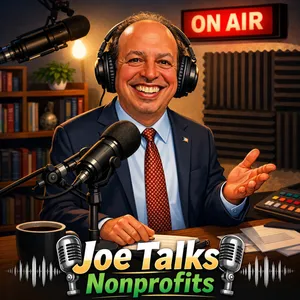
Joe Talks Nonprofits: Daily Summaries Delivered
by Joe Blatt
Joe Talks Nonprofits is a podcast for board members, nonprofit executives, finance professionals, or anyone who wants to learn more about how nonprofit organizations work. Hosted by Joseph Blatt, CPA, a professional who has served the nonprofit industry for the past 40 years, this podcast is written in plain English and easy to follow. Episodes cover everything from the basics to contributions, board responsibilities, the IRS Form 990, financial reporting, and other topics. Short episodes. Real insight. Information you can actually use.
Latest Episodes
The most recent episodes — sign up to get AI-powered summaries of each one.
- Yesterday33 min
Employees vs. Independent Contractors: The Costly Mistake Nonprofits Can't Afford to Make!
Hiring a part-time bookkeeper, grant writer, or consultant and issuing a 1099 doesn't automatically make them an independent contractor. In this episode of Joe Talks Nonprofits, Joe Blatt explains how the IRS and the Department of Labor decide whether a worker is an employee or a contractor, and why state rules matter too.You'll learn:The IRS's three categories: behavioral control, financial control, and the relationship between the partiesHow the DOL's "economic reality" test differs from the IRS'sSeven common mistakes, from trusting a 1099 or a contract to treating part-time workers as contractorsThe risks of misclassification: payroll taxes, overtime claims, benefits exposure, and legal costsFour real-world examples, including the grant-funded position, the part-time bookkeeper, the CPA firm, and the grant writerA six-step plan, including contract reviews and board oversightThis is for nonprofit executive directors, CFOs, finance professionals, and board members.
- 1 weeks ago20 min
Should Your Nonprofit Accept Cryptocurrency? The Opportunities, Risks, and Accounting Challenges
Cryptocurrency donations are no longer a novelty for nonprofits—they’re already moving serious money, and ignoring them could mean missing major gifts from younger, more sophisticated donors. Joe Blatt breaks down the opportunity behind cryptocurrency philanthropy, using industry data to show how much giving is already flowing through this channel and why some organizations are seeing six-figure results. He also explains why accepting crypto isn’t just a fundraising decision—it’s a governance, accounting, and risk-management decision that boards need to take seriously. In this episode, you’ll learn:· Why some nonprofits are seeing large crypto gifts while others may not benefit· What sources like The Giving Block, Fidelity Charitable, and Coinbase reveal about the market· How donating crypto directly can offer donors tax advantages· The risks of accepting crypto, including volatility, custody, cybersecurity, and reconciliation· How to weigh accepting crypto directly against using a third-party processor· Which gift-acceptance policies, internal controls, and board oversight questions to address firstJoe walks through a practical framework for evaluating crypto donations—from gift-acceptance policies and valuation to deciding whether to convert donated assets immediately or retain them under a separate investment strategy. If you’re a nonprofit executive, CFO, accountant, or board member, this episode offers a clear-eyed way to assess whether crypto belongs in your fundraising mix. Listen to understand the potential, avoid common mistakes, and make a mission-aligned decision about digital asset donations.
- 2 weeks ago17 min
Signs You’re Recruiting the Wrong Board Members
Most nonprofits recruit board members for passion - and then wonder why the board can’t guide strategy, manage risk, or hold leadership accountable. If you want a stronger, more effective board, Joe Blatt breaks down the difference between a warm body and a true fiduciary. With more than 40 years working with nonprofit organizations and boards, Joe shows why the best boards are built intentionally, not accidentally. He explains how to stop choosing people you like and start recruiting the people your mission actually needs. You’ll discover how to:· Build a board skills matrix to identify gaps in finance, legal, fundraising, marketing, technology, governance, and more· Spot red flags before someone joins, including title-seekers, accountability-avoiders, and people who dodge financial conversations· Run a smarter recruitment process with structured interviews, scenario questions, and reference checks· Design onboarding that gets new board members contributing from day one· Create a first-year roadmap, mentorship system, and orientation that make board service clear and effective· Find qualified candidates beyond your personal circle through professional associations, corporate leadership programs, universities, community foundations, and board matching servicesJoe also makes the case for diversity of thought, background, and professional expertise, showing why healthy tension leads to better decisions and stronger oversight. If your board has become too comfortable, too passive, or too social-club-like, this episode is your wake-up call. Essential listening for nonprofit leaders, executive directors, board members, and governance committees who want a board that does more than show up - it leads
- 3 weeks ago19 min
Why Outdated Nonprofit Bylaws Quietly Put Your Organization at Risk
Most nonprofits only open their bylaws when something is already going wrong - a board dispute, a leadership transition, or a compliance headache. Joseph Blatt shows why outdated governance documents quietly weaken your organization every day, and how a simple review can reduce risk, sharpen board authority, and make everything run more smoothly. Joe breaks down the exact places where bylaws fall out of date fast: board size and composition, officer roles, quorum rules, remote meetings, voting procedures, committee authority, conflict of interest language, and dissolution clauses. He also explains why your bylaws should reflect how your nonprofit actually operates today, not how it looked when it was founded years ago. You’ll discover:· Why bylaws should be reviewed every 2 to 3 years· The difference between bylaws and policy manuals· What to include in your governing documents· What should never be in your bylaws, like exact meeting dates or dollar thresholds· How to spot gaps that create confusion, risk, and stalled decision-makingJoseph also connects the dots across your full governance ecosystem, including articles of incorporation, board policies, whistleblower and document retention policies, committee charters, and financial oversight documents. If you lead a nonprofit as a CEO, CFO, or board member, this episode gives you a practical checklist for strengthening governance before a crisis forces the issue. Essential listening if you want clearer board decisions, smoother leadership transitions, and governance documents that actually match reality.
- 4 weeks ago19 min
Seven Things New Board Members Need to Know Before Their First Board Metting
Your first nonprofit board meeting is not a formality - it is where your legal, fiduciary, and strategic responsibilities begin. If you just joined a board, this episode shows you how to walk in prepared, ask the right questions, and make an impact from day one. Joseph Blatt breaks down what new board members need to know in their first six months, from the three fiduciary duties every director carries to the documents that reveal how an organization really operates. He explains why board service is not honorary, why “not getting paid” does not mean “not responsible,” and how to avoid the most common mistakes new members make. You’ll discover:· The three fiduciary duties of nonprofit board members - duty of care, duty of loyalty, and duty of obedience· What to look for in your welcome package, including bylaws, mission statement, strategic plan, financial statements, board minutes, and the IRS form 990· Why conflict of interest disclosures, recusals, and annual signed forms matter more than most new members realize· How committees actually work, why charters matter, and which one’s new board members should consider joining· The difference between governance and management so you contribute strategically without micromanagingJoseph also shares practical guidance on board culture, time commitments, board meetings, program events, special events, fundraising expectations, and the board packet you should review before every meeting. He explains how board members support the CEO, set long-term strategy, oversee finances, and serve as ambassadors for the mission without overstepping into day-to-day operations. This episode is essential listening for anyone newly recruited, nominated, or volunteered onto a nonprofit board - especially if you want to show up with confidence, avoid early missteps, and strengthen the organization from the start.
- Oct 5, 202614 min
The Nonprofit Vision Board: Turn Ideas into Strategy
Most nonprofit boards spend their time on budgets, finance, and operations - then wonder why the organization drifts. Joe Blatt shows how a vision board can become a strategic tool that aligns leadership, sharpens decision-making, and keeps everyone focused on the future you actually want to build. If you’ve ever felt your board getting stuck in the weeds, this episode offers a practical reset. Joe explains why a vision board is not an arts-and-crafts exercise, but a shared roadmap that helps boards say yes to the right opportunities, say no to the wrong ones, and give executive leadership clearer direction.You’ll discover:· Why vision boards create a shared mental model for board members with different assumptions and priorities· The five core categories to include: mission and impact, programs and growth, financial strength, culture and people, and partnerships· How to build one step by step using your strategic plan, mission statement, community needs assessment, and long-term goals· Who should be involved, from board and staff to donors, volunteers, clients, and stakeholders· How to turn the finished board into a decision filter, culture builder, communication tool, and onboarding resourceJoe also shares real-world examples from his own work, including how a vision board helped shape a nonprofit accounting practice and how it recently aligned a board with both longtime members and a new CEO. He makes the case for using your annual board retreat to create or refresh the vision, and suggests bringing in a neutral facilitator when the conversation needs structure and balance. If your organization needs clearer direction, stronger alignment, and a better way to connect big-picture vision to day-to-day governance, this episode is essential listening. Perfect for nonprofit board members, executive directors, and leadership teams who want to move from reactive decisions to intentional strategy.
- Sep 28, 202619 min
The Hidden Governance Risks in Employee Benefit Plans
Most nonprofit boards are overlooking a fiduciary risk hiding in plain sight: employee benefit plans. If your organization has a 401(k), 403(b), or a defined benefit retirement plan, this episode explains why the board may already be the default fiduciary—and what that means for compliance, oversight, and personal liability. Joe Blatt brings 40 years of public accounting experience to the conversation, breaking down the governance blind spots that can leave well-meaning nonprofit boards exposed. He explains why employee benefit plans are not just an HR issue, why undocumented decisions create real risk, and why “if it’s not documented, it didn’t happen” is more than just a saying. In this episode, you’ll discover:· The three core fiduciary duties under ERISA: Care, Loyalty, and Obedience· Why nonprofit boards can become personally responsible when no committee is formally designated· The difference between defined benefit and defined contribution plans· How a benefit plan committee charter improves governance and accountability· The key oversight areas boards must monitor, including plan administration, investments, vendors, compliance, documentation, and data securityJoe also shares common litigation patterns affecting universities, hospitals, and nonprofits—from imprudent investment choices and excessive fees to poor monitoring, weak committee meetings, and incomplete documentation. He explains how these failures can lead to costly settlements and why many organizations do not recognize the risk until it is too late. If your board oversees a retirement plan, this episode offers a practical roadmap for strengthening governance, protecting employees’ savings, and reducing liability before a compliance issue becomes a crisis. Essential listening for nonprofit leaders, board members, CFOs, and anyone responsible for retirement plan oversight.
- Sep 21, 202624 min
Demystifying Nonprofit Financial Statements
Are you a nonprofit board member? Does the organization’s financial statements make you uncomfortable? Do you need help understanding how they work and what to look for when you are reading them? Most nonprofit board members are handed financial statements they don’t fully understand and expected to govern with confidence anyway. Joseph Blatt shows you exactly what to look for first, which numbers matter most, and the red flags that can reveal trouble before it becomes a crisis. If you sit on a nonprofit board, lead an organization, or support one as a financial professional, this episode gives you a practical roadmap for reading nonprofit financial statements like a governor, not just a reader. Joseph strips away the accounting jargon and explains how nonprofit reporting is different from for-profit statements, why net assets matter more than equity, and how to tell whether your organization is really stewarding resources well. You’ll discover:Why the auditor’s opinion should be the first thing you readWhat an unmodified opinion means, and why going-concern language mattersHow to interpret the statement of financial position, including assets, liabilities, and restricted vs. unrestricted net assetsWhich receivables deserve immediate attention, especially overdue pledges and grant balancesHow to read the statement of activities for clues about revenue stability, donor concentration, and operating healthWhy functional expenses and cash-flow trends can reveal risks that the income statement hidesJoseph also shares the right questions to ask your CFO and auditors about liquidity, debt covenants, fundraising dependence, reserve levels, and cash management. He explains why many nonprofits run into trouble not because the mission is weak, but because warning signs were missed in the financials. This is essential listening if you want to move from passive board oversight to real fiduciary leadership. By the end, you’ll know how to read the numbers with more confidence, spot what matters faster, and ask the questions that help protect your organization’s future.If this episode helps you better understand nonprofit financial statements, subscribe to the podcast or YouTube channel, leave a review, and share it with a nonprofit board member or leader who could benefit. Have a question about nonprofit financial oversight? Add it in the comments or send it to us for a future episode.
Get Joe Talks Nonprofits summaries in your inbox
Free AI-powered daily recaps. Key takeaways, quotes, and mentions — in a 5-minute read.
Get Free Summaries →Free forever for up to 3 podcasts. No credit card required.
You Might Also Like
Listeners also like.
Nonprofit Everything
A bi-weekly Q&A podcast covering topics related to nonprofits.
Nonprofit Hub Radio
Interviews with nonprofit leaders and experts offering practical insights to help organizations improve and grow.

Blaze Your Own Trail
Entrepreneurs and trailblazers share real stories and strategies for overcoming adversity and building success.

Cornerstone Private Office
Covers tax planning, asset protection, and estate design for business owners and investors building long-term wealth.

Let's Talk Offline
Two career experts discuss real talk on work-life balance, pay negotiation, and office relationships for early-career professionals.

Coffeez with Joe Shalaby
Conversations with entrepreneurs, investors, and cultural figures reveal the real strategies, struggles, and costs behind success.
Do Small Business Like a Big Boss Podcast
A lawyer offers practical legal and business strategies for small business owners to scale and compete effectively.
Joe Lonsdale: American Optimist
Conversations with innovators and leaders working on solutions to America’s biggest challenges, emphasizing optimism and progress.

Creative Entrepreneur: A Podcast For Business Growth and Trending News
Examines how entrepreneurship, creativity, and media trends shape modern business and personal branding.

The Stacking Benjamins Show
Two financial experts discuss personal finance topics with engaging guests and listener questions in a relaxed, conversational style.

Major Gifts Fundraiser Podcast-Hosted by Clark Vandeventer
Practical strategies and insights for development professionals to raise major gifts and build sustainable donor relationships.
The Abundant Accountant Podcast: Sales & Business Growth for Accounting, Tax, and Bookkeeping Firm Owners
Teaches accounting, tax, and bookkeeping firm owners how to raise fees, improve sales, and build profitable firms without burnout.
About Joe Talks Nonprofits
Joe Talks Nonprofits is a podcast for board members, nonprofit executives, finance professionals, or anyone who wants to learn more about how nonprofit organizations work. Hosted by Joseph Blatt, CPA, a professional who has served the nonprofit industry for the past 40 years, this podcast is written in plain English and easy to follow. Episodes cover everything from the basics to contributions, board responsibilities, the IRS Form 990, financial reporting, and other topics. Short episodes. Real insight. Information you can actually use.
Customized Recaps
AI-powered recaps with compact key takeaways, quotes, and insights.
Straight to Your Inbox
Get key takeaways from Joe Talks Nonprofits in a 5-minute read.
Save Hours Every Week
Stay current on your favorite podcasts without falling behind.
Frequently Asked Questions
What is Podzilla's Joe Talks Nonprofits daily summary?
It's a free AI-powered email that summarizes new episodes of Joe Talks Nonprofits as soon as they're published. You get the key takeaways, notable quotes, and links & mentions — all in a quick read.
How does the Joe Talks Nonprofits podcast summary work?
When a new episode drops, our AI transcribes and analyzes it, then generates a personalized summary tailored to your interests and profession. It's delivered to your inbox every morning.
Is this an official Joe Talks Nonprofits product?
No. Podzilla is an independent service that summarizes publicly available podcast content. We're not affiliated with or endorsed by Joe Blatt.
Can I get summaries of other podcasts too?
Absolutely! The free plan covers up to 3 podcasts, any in the catalog. Basic raises that to 15, Pro to 40 and Max to 100. Browse our full catalog at /podcasts.
How often does Joe Talks Nonprofits release new episodes?
Joe Talks Nonprofits publishes weekly. Our AI generates a summary within hours of each new episode.
What topics does Joe Talks Nonprofits cover?
Joe Talks Nonprofits covers topics including Business, Non-Profit. Our AI identifies the specific themes in each episode and highlights what matters most to you.
Start getting Joe Talks Nonprofits summaries tomorrow morning.
Free forever for up to 3 podcasts. No credit card required.
Free forever for up to 3 podcasts. No credit card required.