How I Reversed A Terminal Diagnosis: The Metabolic Root Of Healing & Addiction
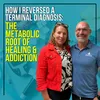
What if addiction isn’t a moral failure — and it isn’t just a brain disease either? What if it’s the natural expression of a terrain that never got the support it needed?In this episode of I Love Being Sober, Tim Westbrook sits down with Dr. Nasha Winters — naturopathic oncologist, bestselling author, and 35-year stage IV ovarian cancer thriver — for one of the most clinically rich and emotionally honest conversations this podcast has ever hosted. Recorded live at Camelback Recovery’s outpatient treatment center in Scottsdale, Arizona, in front of a live audience of clients and staff.Dr. Winters scored a perfect 10 out of 10 on the ACE (Adverse Childhood Experiences) scale. She came from a family shaped by alcoholism, addiction, mental illness, and trauma. She was days from death when she was diagnosed with terminal cancer at 19 — and she was sent home to die. Instead, she spent the next three decades building one of the most comprehensive frameworks in integrative medicine: the Terrain Ten.This conversation bridges two worlds that rarely talk to each other: terrain-based medicine and addiction recovery. And the overlap is exact.In this episode, you’ll learn:Why sugar and ultra-processed food activate the same dopamine receptors as cocaine and heroin — and how that keeps recovery stuckHow unstable blood sugar mimics and worsens the craving cycle in early sobrietyWhy Dr. Winters now puts mental and emotional health FIRST in her Terrain Ten — flipping the framework she published in 2017The ACE score, what it predicts, and why a score of 3 or above dramatically increases disease riskWhat intermittent fasting actually does to the brain in recovery — and how to start without white-knuckling itThe emerging field of metabolic psychiatry and why ketosis has reversed bipolar disorder, schizophrenia, and addiction in clinical trialsWhy being “never sick” is a red flag, not a health flexHow chronic stress puts the body in a state where treatments “bounce off” — and what to do about itEMDR, ibogaine, and psychedelic-assisted therapy in the context of trauma and addiction recoveryThe two things that showed up as universal common denominators across 500 cancer and mental health patients: not feeling seen, and not feeling heardThe audience Q&A goes even deeper — covering sleep and metabolic health, keto and depression, sexual abuse and trauma processing, and what it takes to rebuild a life after violence and addiction.This is not a light episode. It’s a complete one.Resources mentioned:Dr. Nasha Winters: drnasha.com | Tend the Terrain SubstackBook: The Metabolic Approach to CancerPodcast: Metabolic Matters (metabolicmatters.org)Metabolic Terrain Institute of Health: mtih.orgBook: Change Your Diet, Change Your Mind — Dr. Georgia EdeBook: Brain Energy — Dr. Chris PalmerBook: The Circadian Code — Dr. Satchin PandaCamelback Recovery outpatient treatment: CamelbackRecovery.com#AddictionRecovery #SoberLiving #MetabolicHealth #TraumaHealing #MentalHealth #DualDiagnosis #SubstanceUseDisorder #ILoveBeingSober #CamelbackRecovery #Scottsdale #Phoenix #TerrainTen #DrNashaWinters #BloodSugar #DopamineRecovery #IntermittentFasting #MetabolicPsychiatry #ACEScore #SoberLife
Podzilla Summary coming soon
Sign up to get notified when the full AI-powered summary is ready.
Free forever for up to 3 podcasts. No credit card required.
Listen to This Episode
More from I Love Being Sober
Nervous System Regulation: How Cold Plunges And Breathwork Accelerate Natural Healing
How Chiropractic Releases Traumatic Stress And Resets The Nervous System
How I Reversed A Terminal Diagnosis: The Metabolic Root Of Healing & Addiction

How Emerging Adults Can Achieve Healing
Get summaries like this every morning.
Free AI-powered recaps of I Love Being Sober and your other favorite podcasts, delivered to your inbox.
Free forever for up to 3 podcasts. No credit card required.