Free Daily Podcast Summary
I Did My Own Research: Daily Summaries Delivered
by Franziska Haydanek
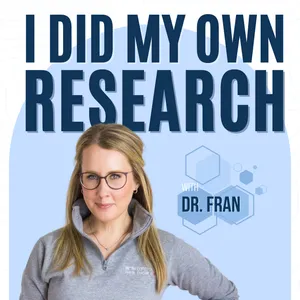
I Did My Own Research is a podcast hosted by OB-GYN and medical educator Dr. Fran, digging into what happens when medical misinformation goes viral—and what it takes to fight it. Each episode features conversations with doctors, healthcare professionals, and scientists who create content online, breaking down the myths they see every day, how they got pulled into content creation, and why having evidence-based voices on the internet has never mattered more.From trending health claims to behind-the-scenes creator stories, this podcast is about reclaiming “research,” one expert conversation at a time.
Latest Episodes
The most recent episodes — sign up to get AI-powered summaries of each one.
- 6 days ago25 min
with @DrTerrySimpson: Willpower Isn’t a Treatment Plan for Obesity
In this episode of I Did My Own Research, Dr. Fran sits down with retired general surgeon and medical mythbuster Dr. Terry Simpson to talk about his journey from bariatric surgery and culinary medicine to becoming a prominent voice online fighting medical misinformation.Dr. Simpson shares his personal experience with obesity, GLP-1 medications, and the “food noise” he never realized he had—and why his experience changed the way he thinks about weight, willpower, and long-term treatment. Together, they tackle common myths about obesity and GLP-1s, including the idea that people simply need to “eat better” or exercise more to lose weight.They also discuss the challenges of being physicians on social media, how to push back against misinformation without becoming part of the problem, why providing the actual evidence matters, and the growing role doctors can play in a world where so many people get their health information online.Dr. Simpson's social media: @DrTerrySimpsonMDDr. Fran's social media: @PagingDrFran
- 1 weeks ago37 min
with @DrJuliaKovalenko: The Problem With Parenting Advice Online
What does a pediatric psychologist actually do—and how can psychology help children and families navigate chronic illness, sleep, parenting, and the mind-body connection?In this episode of I Did My Own Research, Dr. Fran sits down with pediatric psychologist Dr. Julia Kovalenko to break down what psychologists really do, how they work alongside medical teams, and why the brain and body can’t always be separated when it comes to health.They dive into parenting advice online, including the fear-mongering and sweeping statements that can leave parents feeling like they’re constantly getting it wrong. Dr. Kovalenko explains why individualized, evidence-based guidance matters, and they discuss practical approaches to everything from screen time and sleep to communicating with children who have very different personalities.They also talk about the challenges of being medical professionals and content creators—from sharing evidence-based information and navigating professional ethics to dealing with online criticism and misinformation.If you've ever felt overwhelmed by parenting advice online or wondered what psychologists actually do, this episode is for you.Dr. Kovalenko's social media: @Dr.JuliaKovalenkoDr. Fran's social media: @PagingDrFran
- 2 weeks ago34 min
with @DrMaryMcDaniel: But DOES Sunscreen Cause Cancer?
In this episode of I Did My Own Research, Dr. Fran sits down with board-certified dermatologist Dr. Mary McDaniel to unpack some of the biggest skincare and dermatology myths circulating online. They discuss sunscreen safety, beef tallow, Accutane, acne “root causes,” questionable gut and allergy testing, hair-loss supplements, and the risks of high-dose biotin. They also talk about medical misinformation, the responsibility physicians have on social media, and why being honest about what medicine doesn’t know is just as important as sharing what we do.Dr. McDaniel's social media: @DrMaryMcDaniel Dr. Fran's social media: @PagingDrFran
- 3 weeks ago31 min
with @DrJeremyBryner: Who Wins the Bariatric Surgery Vs GLP-1s Fight?
In this episode of I Did My Own Research, Dr. Fran sits down with Dr. Jeremy Bryner, a bariatric surgeon and board-certified obesity medicine physician, to discuss the many options available for treating obesity—and why there is no one-size-fits-all approach.Dr. Bryner explains how modern obesity care has evolved beyond simply “diet and exercise,” and discusses the role of lifestyle changes, GLP-1 medications, endoscopic procedures, and bariatric surgery. He addresses the stigma surrounding bariatric surgery, why many people still view it as an extreme option, and how today’s procedures and long-term follow-up have changed dramatically from previous decades.The conversation also explores how insurance coverage can dictate treatment decisions, the challenges patients face accessing GLP-1 medications, and the importance of true informed consent when discussing obesity treatment options.Dr. Bryner also tackles the misinformation patients encounter online, including vitamin patches, supplements, peptides, and wellness products that may not have the evidence behind them. He shares why comprehensive, lifelong obesity care matters and how healthcare professionals and patients can work together to make informed decisions.Dr. Bryner's social media: @DrJeremyBrynerDr. Fran's social media: @PagingDrFran
- Aug 17, 202641 min
with @DrSaraMargolin: How Inevitable is Dementia?
Dr. Fran sits down with Dr. Sarah Margolin — cognitive scientist, associate professor, and creator behind @DrSarahMargolin — to talk about what the science of aging actually says, and why so much of what circulates online gets it wrong.Dr. Margolin studies cognitive aging and reading comprehension, and she's built a following by taking on viral myths about getting older — from the false idea that "aging is a disease" to the assumption that memory lapses always signal dementia. In this conversation, she breaks down:The real difference between normal age-related forgetfulness and dementia, including what a basic cognitive screening (like the MMSE) actually tests forWhy the biopsychosocial model — nutrition, exercise, mental engagement, and social connection — matters more than any single supplement, peptide, or "hack"What the Mediterranean diet really means How mindset around aging and menopause can measurably affect symptoms, and why cross-cultural research shows attitude mattersWhy older adults are more tech-capable than we give them credit forWhat it's like to design and run a research study from the ground up, and why "doing your own research" is a lot more rigorous than reading a headlineThe two also get into the broader mission behind Dr. Margolin's In Plain Science series — an effort to demystify how research funding, peer review, and scientific ethics actually work, so people can better evaluate the claims they see online.Dr. Margolin's social media: @DrSaraMargolinDr. Fran's social media: @PagingDrFran
- Aug 10, 202637 min
with @DocHollyPedsGyn: What Even is a Pediatric Gynecologist?
What's it like to be a gynecologist for patients who've never had a gynecology visit before? Dr. Fran sits down with Dr. Holly Hoefgen, a pediatric and adolescent gynecologist and fellowship-trained physician, to talk about a specialty that even OBGYNs often know little about. Dr. Hafgen shares how she landed in a field that lets her combine her love of pediatrics with gynecology, and explains what her day-to-day practice actually looks like — from managing ovarian cysts and menstrual concerns in teens to caring for patients with congenital differences like MRKH, gender-diverse patients, and childhood cancer survivors navigating fertility preservation.The conversation digs into why a patient's first gynecologic visit sets the tone for their relationship with their body and the medical system for years to come, and how prioritizing education and autonomy can undo a lifetime of fear and misinformation. Dr. Hafgen and Dr. Fran also get into the messy world of medical misinformation on social media — from viral videos about painful IUD insertions to persistent myths about the HPV vaccine — and how they've each used their own platforms to counter it, often by handing patients the very videos they make for TikTok and Instagram as real clinical resources. Along the way, they discuss the field's long-overdue reckoning with gynecologic pain management, why cervical cancer remains an underappreciated threat, and what it means to build trust with patients who are stepping into a gynecologist's office for the very first time.Dr. Holly's social media: @DocHollyPedsGynDr. Fran's social media: @PagingDrFran
- Aug 3, 202634 min
With @Diary_of_A_Doctor_Mom: The Truth About Medicine & Motherhood
In this episode of I Did My Own Research, Dr. Fran sits down with Dr. Nancy Githere-Thande — family medicine resident, mom of two, and the voice behind Diary of a Doctor Mom .Dr. Githere-Thande shares her journey from public health research at UCSF to medical school and residency, all while navigating marriage, motherhood, and the birth of her daughter at 27 weeks. She opens up about the hesitation many trainees — especially women of color — feel about being visible online, and why she decided the benefits of sharing her real life outweighed the risks.The conversation dives deep into her personal weight loss journey (125 pounds, including bariatric surgery), and how sharing that story has transformed the way she connects with patients around sensitive topics like obesity, GLP-1s, and body image. She and Dr. Fran also talk about the power of "boring" health stories — from uncomplicated IUD insertions to routine colonoscopies — and why the internet's appetite for extreme outcomes can distort what most patients actually experience.A heartfelt, funny, and deeply honest episode about what it really looks like to be a doctor, a mom, and a person — all at once.Dr. Githere-Thande's social media; @diary_of_a_doctor_momDr. Fran's social media: @PagingDrFran
- Jul 27, 202633 min
with @DrShazmaMithani: Why "Natural" Doesn't Mean Safe
In this episode of I Did My Own Research, Dr. Fran sits down with Dr. Shazma Mithani — a pediatric and adult emergency medicine physician, and co-host of The Doc Talk Podcast. Together, they discussHow Dr. Mithani's path from ER doctor to online misinformation-buster took shape during COVIDWhat The Pitt gets right (and wrong) about emergency medicine, from missing consultants to unrealistic single-coverage EDsThe real-world impact of vaccine hesitancy on pediatric ER workups, and why declining immunization rates change how doctors approach diagnosisWhy "natural" doesn't always mean safe — from risky detoxes and cleanses to supplement-induced hyperthyroidismThis episode is brought to you by Vim & Vigor compression socks — use code RESEARCH for 20% off at VimVigr.com.Dr. Mithani's social media: @DrShazmaMithani & @TheDocTalkPodDr. Fran's social media: @PagingDrFran
About I Did My Own Research
I Did My Own Research is a podcast hosted by OB-GYN and medical educator Dr. Fran, digging into what happens when medical misinformation goes viral—and what it takes to fight it. Each episode features conversations with doctors, healthcare professionals, and scientists who create content online, breaking down the myths they see every day, how they got pulled into content creation, and why having evidence-based voices on the internet has never mattered more.From trending health claims to behind-the-scenes creator stories, this podcast is about reclaiming “research,” one expert conversation at a time.
Customized Recaps
AI-powered recaps with compact key takeaways, quotes, and insights.
Straight to Your Inbox
Get key takeaways from I Did My Own Research in a 5-minute read.
Save Hours Every Week
Stay current on your favorite podcasts without falling behind.
Frequently Asked Questions
What is Podzilla's I Did My Own Research daily summary?
It's a free AI-powered email that summarizes new episodes of I Did My Own Research as soon as they're published. You get the key takeaways, notable quotes, and links & mentions — all in a quick read.
How does the I Did My Own Research podcast summary work?
When a new episode drops, our AI transcribes and analyzes it, then generates a personalized summary tailored to your interests and profession. It's delivered to your inbox every morning.
Is this an official I Did My Own Research product?
No. Podzilla is an independent service that summarizes publicly available podcast content. We're not affiliated with or endorsed by Franziska Haydanek.
Can I get summaries of other podcasts too?
Absolutely! The free plan covers up to 3 podcasts. Upgrade to Pro for 15, or Premium for 50. Browse our full catalog at /podcasts.
How often does I Did My Own Research release new episodes?
I Did My Own Research publishes weekly. Our AI generates a summary within hours of each new episode.
What topics does I Did My Own Research cover?
I Did My Own Research covers topics including Science, Medicine, Fitness, Health & Fitness. Our AI identifies the specific themes in each episode and highlights what matters most to you.
Start getting I Did My Own Research summaries tomorrow morning.
Free forever for up to 3 podcasts. No credit card required.
Free forever for up to 3 podcasts. No credit card required.