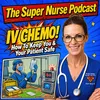
Chemo Safety For Oncology Patients: IV Pump Alarms, Spills & Patient Red Flags
This episode breaks down practical oncology safety at the bedside—from hazardous body fluids and chemotherapy spills to IV pump alarms and treatment complications. You’ll learn how to approach high-risk situations with stronger clinical judgment, troubleshoot alarms systematically, and recognize patient red flags before they become emergencies. 👉 Watch the video on Super Nurse Comics You’ll learn - Why chemotherapy precautions continue after the infusion is complete - How proper PPE, spill kits, and waste disposal reduce occupational exposure - How to troubleshoot downstream occlusion, upstream occlusion, and air-in-line alarms - Why the patient’s condition matters more than a reassuring pump display - How proactive nursing can reduce nausea, mucositis, and radiation-related skin injury - Why a temperature of 100.4°F (38°C) can signal an emergency in a neutropenic patient - How to respond safely to a dislodged brachytherapy source - Why oncology nurses are increasingly responsible for preparing families for safe care at home Timestamps 00:00 Why oncology nursing feels so high stakes 01:48 Today’s oncology safety priorities 02:33 Hazardous body fluids and the 48-hour precaution window 04:41 Chemotherapy PPE and oral medication safety 06:40 Spill kits, waste disposal, and accidental exposure 10:46 IV pump safety and alarm fatigue 11:29 Troubleshooting a downstream occlusion 12:23 Troubleshooting an upstream occlusion 13:07 Air-in-line alarms and safer IV priming 15:04 Silent pump errors: monitor the patient, not just the machine 16:29 Moving from reactive to proactive oncology nursing 18:07 Mucositis and safer mouth care 19:16 Radiation skin precautions 20:05 Neutropenic fever: why 100.4°F matters 22:11 Responding to a dislodged brachytherapy source 23:19 The most important oncology safety takeaways 24:49 Preparing families for cancer treatment at home 26:03 End Visit supernurse.ai for more resources that bridge the gap between nursing school and real bedside practice. *This podcast is for educational purposes only and is not a substitute for clinical judgment, institutional policy, manufacturer instructions, or guidance from the oncology and radiation-safety teams.* The content presented in The Super Nurse Podcast is for educational purposes only and should not be considered medical advice. The host and creators are not responsible for any clinical decisions made based on this content. Always adhere to your institution’s policies and consult appropriate healthcare professionals when making patient care decisions.
Podzilla Summary coming soon
Sign up to get notified when the full AI-powered summary is ready.
Free forever for up to 3 podcasts. No credit card required.
Listen to This Episode
More from The Super Nurse Podcast
Substance Abuse & Withdrawal at the Bedside

Addiction at the Bedside: Intoxication, Withdrawal, and Pain
What Oncology Nurses Look For: How to Recognize Changes Before The Crisis
Oncologic Emergencies: Made Simple For Non-Oncology Nurses
Get summaries like this every morning.
Free AI-powered recaps of The Super Nurse Podcast and your other favorite podcasts, delivered to your inbox.
Free forever for up to 3 podcasts. No credit card required.