Free Daily Podcast Summary
Grow Everything Biotech Podcast: Daily Summaries Delivered
by Messaginglab
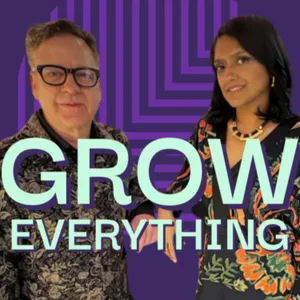
Grow Everything explores the world of biology as technology. Hosts Erum Khan and Karl Schmieder interview leaders and influencers biologizing industries with tools like synthetic biology, precision fermentation, bioprospecting, and more. These companies make biomaterials from waste, cosmetics that restore healthy hair and skin, and delicious cultivated foods in a bioreactor and so much more. Join us as we discuss the latest and greatest across biotech, engineered biology, entrepreneurship, and culture and how this transition is solving healthcare and climate change challenges.
Latest Episodes
The most recent episodes — sign up to get AI-powered summaries of each one.
- 2 days ago49 min
199. Space, the Final Fermenter: Mario Maggio Brews Biology in Orbit with Ambrosia Space
Biology may be the most important technology we take off planet, and Mario Maggio is building the hardware to prove it. The founder and CEO of Ambrosia Space joins Erum Azeez Khan and Karl Schmieder to explain why space bioprocessing has been stuck at 10 to 20 milliliters while bench scientists on Earth work at 250 milliliters and beyond, and what changes when a two and a half liter fed batch bioreactor with pH, dissolved oxygen, and total cell density sensors finally flies. Mario traces his path from aerospace propulsion and the Nova C lunar lander at Intuitive Machines to life support systems at Paragon and Axiom Space, and the realization that biology is the best CO2 scrubber, oxygen source, and chemical factory available for long duration missions where petroleum, farms, and easy resupply do not exist. The conversation digs into the engineering reality of fluids and gas in microgravity, why glass and ceramics never fly, the stainless steel and aluminum builds that replace them, the intentional and unintentional bacteria that come with building a bioreactor from scratch, and the NASA TechLeap winning CellSep continuous flow centrifuge that carries cells and secreted products into downstream processing without gravity. Mario also lays out the near term commercial case, from protein crystallization and monoclonal antibodies that behave differently in orbit to biofuels, vitamin production, medicines, and the big silver tanks that will feed astronauts because there will be no farms or cattle. He offers a candid read on artificial gravity gradients, why the Moon matters for building large vehicles in space, and why the same hardware that grows yeast for beer on Mars becomes the root of better biomanufacturing on Earth. Erum and Karl open with field notes from Bio Innovations North America in Omaha, including Midwest feedstock advantage, consortia momentum, the 30 percent of cost hiding in downstream processing, and why Smucker and Mars are actively scouting biotech innovators.Grow Everything brings the bioeconomy to life. Hosts Karl Schmieder and Erum Azeez Khan share stories and speak with the leaders and innovators using biology to change the world. Biology is the world’s oldest technology, and it can be engineered. So, what are we growing?Learn more at www.messaginglab.com/groweverythingChapters: Why Biology Is the Best Commercial Case for Space Bio Innovations North America and the Midwest Bioeconomy Why Smucker and Mars Are Scouting Biotech Innovators Inside Ambrosia Space: Bioreactors Built for Orbit Scaling Past 150 Milliliters: Space Biology's Volume Problem Stainless Steel, Leaks, and Why Glass Never Flies NASA TechLeap and the CellSep Continuous Flow Centrifuge Protein Crystals and Monoclonal Antibodies Made in Microgravity Artificial Gravity, Lunar Bases, and Closing the Loop on Life Support Quick Fire: Space Food Reality, HAL, and Biologics in OrbitLinks and Resources:Mario MaggioAmbrosia Space LinkedInAmbrosia Space111. Space Genes and Subway Scenes: Chris Mason on Planning Life’s Next Big Leap93. Houston, We Have a Protocol: NASA's Kate Rubins on Biotech in Space187. One Small Step for a Microbe: Lynn Rothschild’s Leap from Astrobiology to Bioengineering at NASA185. Brick Happens: Chris Maurer of Redhouse Studio Redesigns Remote Living for Earth and Mars152. Crystals in the Cosmos: Varda Rewrites Drug Formulation in MicrogravityGrow E
- 1 weeks ago1h 2m
198. A Grain of Truth: Chef Pierre Thiam Scaled Fonio Without Losing Its Roots
Chef and entrepreneur Pierre Thiam joins Grow Everything to explain how fonio, a resilient ancient grain from West Africa, can become a platform for biodiversity, regenerative agriculture, food security, and farmer prosperity. Pierre traces his journey from studying physics and chemistry to discovering the kitchen as a larger system connecting culture, health, ecology, and economics. He shares why fonio is nutritionally dense, gluten free, drought resistant, fast cooking, and versatile, as well as how Yolélé is building aggregation centers and modern processing infrastructure while keeping cultivation knowledge and ownership with smallholder farming communities. The conversation explores how biotechnology can complement biodiversity, why flavor must lead climate friendly food adoption, how underutilized crops can create clean label ingredients and new commercial markets, and why food can serve as a powerful tool for diplomacy and cultural understanding. For founders, scientists, investors, and builders in the bioeconomy, Pierre offers a human centered model of innovation that begins with nature, respects generational knowledge, and uses technology to unlock solutions that have been in front of us all along.Grow Everything brings the bioeconomy to life. Hosts Karl Schmieder and Erum Azeez Khan share stories and speak with the leaders and innovators using biology to change the world. Biology is the world’s oldest technology, and it can be engineered. So, what are we growing?Learn more at www.messaginglab.com/groweverythingChapters: Why flavor must lead sustainable food adoption Artificial intelligence for science and protein design Pierre Thiam connects cooking, chemistry, culture, and diplomacy What fonio tastes like and why chefs love its versatility Scaling fonio through farmer centered supply chains and global markets Human centered design for West African farming communities Delicious first: the strategy behind climate friendly food adoption Biodiversity, forgotten crops, and the future of food security How biotechnology and local knowledge can work together Building healthier diets and stronger farming communitiesLinks and Resources:Chef Pierre ThiamTeranga - Senegalese RestaurantYolélé FoodsThe Fonio CookbookChief Pierre Thiam Instagram197. What’s in Your Cart? A Grocery Store Walkthrough of Next-Gen Food Innovation196. Beyond the Red Tape: Greg Jaffe on Policy as an Accelerator for Bio-InnovationNew Evidence points to ‘Ghost DNA’Claude opens 10,000 free seats to scientistsDavid Kong's class - How To Grow Almost AnythingBioInnovations Events - For 25% off use code: Grow EverythingGrow Everything LinkedInTopics Covered:Fonio, West African cuisine, sustainable food systems, regenerative agriculture, food biodiversity, underutilized crops, food diplomacy, Bambara groundnuts, climate-resilient crops, YoléléHave a question or comment? Message us here:Text or Call (804) 505-5553<a href="https://www.instagram.com/groweverythingpod/" target="_bla
- 2 weeks ago15 min
197. What’s in Your Cart? A Grocery Store Walkthrough of Next-Gen Food Innovation
Food technology is moving from farms and petrochemicals into bioreactors, fungi, engineered crops, and circular feedstocks. In this Grow Everything highlights episode, Erum Azeez and Karl Schmieder visit six stops across the grocery store to explore sweet proteins from Oobli, fermentation derived colorants from MycoFutures and Chromologics, the antioxidant rich purple tomato from Norfolk Healthy Produce, fungi based proteins from The Better Meat Co. and MyForest Foods, sargassum derived ingredients from Origin by Ocean, and the hard commercial work of getting emerging products onto retail shelves. For founders, scientists, investors, and builders across synthetic biology and sustainable materials, the central lesson is clear: fermentation is manufacturing, environmental problems can become valuable feedstocks, and biology wins when performance, taste, branding, and price are better for the customer.Grow Everything brings the bioeconomy to life. Hosts Karl Schmieder and Erum Azeez Khan share stories and speak with the leaders and innovators using biology to change the world. Biology is the world’s oldest technology, and it can be engineered. So, what are we growing?Learn more at www.messaginglab.com/groweverythingChapters: Food technology innovations hidden across the grocery store Why fermentation should be understood as manufacturing Oobli sweet proteins replace sugar with tiny amounts of protein Fermentation creates powerful natural colors for food brands The purple tomato brings biotechnology into the produce aisle The Better Meat Co. grows nutrient rich mycoprotein in bioreactors MyForest Foods turns oyster mushroom mycelium into bacon Origin by Ocean transforms invasive sargassum into useful ingredients Startup CPG explains what gets emerging brands onto shelves Why biology must compete on taste, price, branding, and performanceLinks and Resources:22. Sweet Dreams Are Made of Proteins: Oobli's Ali Wing180. Fungi in Full Color: Ricky Cassini Reimagines Dye at Michroma181. Can Hue Believe It? Gerit Tolborg’s Quest for Pure Color at Chromologics33. Purple Reign, A Purple Tomato with a Genetic Twist, Nathan Pumplin of Norfolk Healthy Produce157. (Thanksgiving Replay) Meat the Future: How Paul Shapiro is Brewing Superfoods at Better Meat Co.126. Sizzling Success: Eben Bayer of MyForest Foods on Scaling Mycelium Magic175. Seaweed Is the New Oil: Mari Granström Builds Origin by Ocean167. From Scrappy to Scalable: Daniel Scharff Grows Startup CPGBioInnovations Events - For 25% off use code: Grow EverythingGrow Everything LinkedInTopics Covered:Food technology is moving from farms and petrochemicals into bioreactors, fungi, engineered crops, and circular feedstocks. In this Grow Everything highlights episodeHave a question or comment? Message us here:Text or Call (804) 505-5553Instagram / Twitter
- 3 weeks ago55 min
196. Beyond the Red Tape: Greg Jaffe on Policy as an Accelerator for Bio-Innovation
Biotech is moving fast, but regulation, public trust, and infrastructure still shape how quickly new ideas reach the market. In this episode of Grow Everything, Greg Jaffe joins Karl Schmieder to explore the regulatory future of the bioeconomy, drawing on Greg’s experience in environmental law, consumer advocacy, and as the USDA’s chief regulatory officer. They discuss why founders need to think about regulatory strategy early, how production methods, product claims, and intended use can dramatically change the path through agencies like USDA, EPA, and FDA, and why clear oversight can help build the trust emerging technologies need to scale. Greg and Karl also examine the regional nature of biomanufacturing, the importance of rural infrastructure and local partnerships, and why the future of the bioeconomy will require coordinated policy, stronger market demand, international access, and regulatory pathways that support innovation while protecting public confidence.Grow Everything brings the bioeconomy to life. Hosts Karl Schmieder and Erum Azeez Khan share stories and speak with the leaders and innovators using biology to change the world. Biology is the world’s oldest technology, and it can be engineered. So, what are we growing?Learn more at www.messaginglab.com/groweverythingChapters: Intro: Moderna cancer vaccine news, Sargassum in Miami, and K18’s viral hairball activation Greg Jaffe’s path from environmental law to biotech policy Why the coordinated framework for biotechnology still matters What biotech startups need to understand about USDA, EPA, and FDA How claims, intent, and language can change a regulatory pathway Why public trust is essential for biomanufactured food and biotech products How biotech regulation differs in the United States, Africa, and Southeast Asia Why biomass and biomanufacturing are inherently local Which bio based sectors may be ready to scale first The role federal policy can play in making bio based products the defaultLinks and Resources:Greg JaffeJaffe Policy Consulting LLCU.S. Department of AgricultureBioPreferred Program - USDAWhat is it like to be a cucumber? - Mike LevinThe Merck/Moderna cancer vaccine: How does it work and what are potential barriers to wide use?Miami faces worsening seaweed problem as piles of algae wash up on beachesSPOTTED K18 Hair: a giant hairball rolling across NYCBioInnovations Events - For 25% off use code: Grow EverythingGrow Everything LinkedInTopics Covered:USDA regulation, FDA food regulation, GRAS process, cultivated meat regulation, precision fermentation, food safety policy, bioeconomy policy, agricultural biotechnology, ultra-processed foodsHave a question or comment? Message us here:Text or Call (804) 505-5553Instagram / Twitter / LinkedIn / <a href="https://www.youtube.com/channel/UCyfFwKF
- Aug 21, 20261h 10m
195. Because You’re Worth Biology: Olivier Rolland Talks Biotech at L’Oréal
Industrial biotechnology has enormous potential to create resilient supply chains, high performance ingredients, and a more sustainable bioeconomy, but good science alone is not enough. In this episode of Grow Everything, Karl and Erum speak with Olivier Rolland about the economic and industrial realities of scaling biology. Drawing on his experience across Michelin, TotalEnergies, Toulouse White Biotechnology, and L’Oréal, Olivier explains why biotech ventures must align sustainability, performance, cost, and customer expectations from the beginning. The conversation explores how techno economic analysis, early process constraints, industrial partnerships, standardization, and supportive policy can reduce risk and move promising molecules from the laboratory into commercial production. Olivier also discusses the biomanufacturing investment gap in Europe, the importance of resilient value chains, the limits of direct fossil replacements, and the opportunity to develop new molecules that deliver the same or better functions by design.Grow Everything brings the bioeconomy to life. Hosts Karl Schmieder and Erum Azeez Khan share stories and speak with the leaders and innovators using biology to change the world. Biology is the world’s oldest technology, and it can be engineered. So, what are we growing?Learn more at www.messaginglab.com/groweverythingChapters:: Music festivals, Mike Levin, and consciousness at every scale: Biotech news, Houston biomanufacturing, and the Michelin Guide analogy: Genome astrology, ingredient transparency, and food regulation: Olivier Rolland on L’Oréal, Scope 3 emissions, water, and resilient supply chains: Finding the sweet spot between performance, economics, and sustainability: Techno economic analysis, retrofit constraints, and industrial partnerships: Europe’s scale up funding gap and the emerging EU biotech framework: Coalitions, fragmented value chains, and practical commercialization: What sustainable aviation fuel teaches beauty about market pull: Isofunctional molecules, biotech myths, duckweed, and rapid scale upLinks and Resources:L'Oreal Advanced Biotech for SustainabilityEp. 156. When Matter Makes Decisions: Michael Levin on the Intelligence of Form"What's it like to be a Cucumber" New York Magazine article about Mike LevinBMS picks Texas for new $2.3B manufacturing campusBio-AI is All Atlases and Nowhere to Go by Jake Wintermute and American WetwareBioInnovations Events - For 25% off use code: Grow EverythingGrow Everything LinkedInTopics Covered:biomanufacturing, industrial biotechnology, sustainable materials, green chemistry, biotechnology commercialization, scope 3 emissions, defossilization, sustainable beauty, bio-based ingredients, bioeconomyHave a question or comment? Message us here:Text or Call (804) 505-5553Instagram / Twitter / LinkedIn /
- Aug 14, 20261h 12m
194. Beauty Is in the AI of the Beholder: Debut’s Joshua Britton Turns Claims into Molecules
Joshua Britton, founder and CEO of Debut, joins Erum Azeez Khan and Karl Schmieder to explain why the future of molecular creation belongs to AI and biotechnology. Joshua shares how watching biologists create complex natural molecules in days inspired his shift from traditional chemistry and shaped Debut’s vertically integrated model for discovering, manufacturing, formulating, and commercializing high performance beauty ingredients. The conversation explores why technical breakthroughs alone do not build durable biotech businesses, how consumer demand and measurable performance should guide discovery, and why formulation, supply chains, scientific communication, and brand education are essential to commercialization. Joshua also describes how Debut uses computational models to screen vast chemical spaces, validates promising candidates in the lab, balances fast internal innovation with longer corporate partnerships, and prepares brands for regulatory changes affecting familiar cosmetic ingredients. For founders, scientists, investors, and operators building the bioeconomy, this episode offers a practical playbook for turning biological innovation into products consumers understand, trust, and choose.Grow Everything brings the bioeconomy to life. Hosts Karl Schmieder and Erum Azeez Khan share stories and speak with the leaders and innovators using biology to change the world. Biology is the world’s oldest technology, and it can be engineered. So, what are we growing?Learn more at www.messaginglab.com/groweverythingChapters: Biology, beauty, and the battle between performance and chemistry Bio dyes, consumer perception, and why color changes experience Joshua Britton’s path from organic chemistry to biotechnology Why Debut chose vertical integration and consumer led discovery Formulation failures that reshaped Debut’s commercial strategy Balancing startup speed with global beauty partnerships Regulatory pressure and the opportunity for new biological ingredients Scientific communication, clinical proof, and brand adoption What it takes to move biotechnology into the mass market Key lessons on performance, AI, communication, and commercializationLinks and Resources:Debut BiotechDye vs No Dye Doritos Cheetos Taste Test on YoutubeDye vs No Dye Doritos Cheetos Taste Test on LinkedInNew imaginary color, "Olo"BioInnovations Events - For 25% off use code: Grow EverythingGrow Everything LinkedInTopics Covered:biotech beauty, synthetic biology beauty, AI ingredient discovery, biomanufacturing, vertically integrated biotech, beauty innovation, skincare ingredients, cosmetic formulation, consumer biotech, premium skincareHave a question or comment? Message us here:Text or Call (804) 505-5553Instagram / Twitter / LinkedIn / Youtube / Grow EverythingMusic by: Nihilore Production by: Amplafy Media
- Aug 7, 202654 min
193. The Full Color Spectrum: Nick Milne Ferments One Pathway for Every Color at Octarine Bio
Nick Milne, founder of Octarine Bio, joins Grow Everything to unpack how biology can reshape the future of color. In this episode, Nick explains why synthetic dyes have dominated textiles for more than a century, why sustainability alone is not enough to drive adoption, and how Octarine is building bio based pigments that can compete on performance, price, and scale. The conversation explores the environmental and human health problems tied to petrochemical dyes, especially azo dyes used in polyester, while showing how precision fermentation can create high strength pigments that work as drop in replacements for existing dye house workflows. Nick also shares how Octarine thinks about scale up, regulatory pressure in Europe, investor expectations, product development, and the practical realities of bringing biotech products into old and highly cost sensitive industries.Grow Everything brings the bioeconomy to life. Hosts Karl Schmieder and Erum Azeez Khan share stories and speak with the leaders and innovators using biology to change the world. Biology is the world’s oldest technology, and it can be engineered. So, what are we growing?Learn more at www.messaginglab.com/groweverythingChapters: Nick previews Octarine’s high strength pigment platform Karl and Erum open with science policy, AI, biosecurity, and discovery in nature Introducing Nick Milne and Octarine Bio’s mission to rewrite color with biology Why biology can outperform chemistry in rare but powerful commercial use cases The slow shift from petrochemical dyes to bio based alternatives in textiles What Pure Palette looks like as a drop in replacement for synthetic dyes Octarine’s color pipeline, from purple and black to green, blue, red, and yellow How stronger pigments create a path toward price parity for textile customers Why European regulation may accelerate sustainable color adoption Scale up, consistency, azo dyes, and lessons for biotech foundersLinks and Resources:Octarine BioOctarine Bio - PurePaletteNick Milne LinkedInOctarine Bio secures €5M to scale bio-based pigmentsGinkgo Bioworks and Octarine Bio Partnership Achieves Initial Success in Advancing Sustainable Dye ProductionScience, A New Golden AgeKristin Ellis’ Substack commentary on Science, A New Golden AgeNeuromancer Apple TV trailerA new species of Colobus monkey from the Lomami National Park, Democratic Republic of CongoBioInnovations Events - For 25% off use code: Grow EverythingGrow Everything LinkedInTopics Covered:Octarine Bio, bio-based pigments, synthetic dye replacement, sustainable textile dyes, fermentation-derived colors, metabolic engineering, azo dye alternatives, textile color sustainability, precision fermentation pigments, sustainable fashion materialsHave a question or comment? Message us here:Text or Call (804) 505-5553Instagram
- Jul 31, 20261h 1m
192. Reading Between the Dyes: Roya Aghighi Unlocks Biological Pigments at Lite-1
Have you ever wondered why the color in your clothes can be so harmful to the environment? In this episode of the Grow Everything Podcast, Karl and Erum continue their BioDye series with Roya Aghighi, founder of Lite-1. Roya grew up in her mother’s fashion studio and later worked in the industry testing new materials, but she decided to leave after seeing the pollution caused by traditional dyeing methods. She explains how Lite-1 uses engineered microbes to produce colorful pigments through fermentation, beginning with black, one of the most difficult and damaging colors to make sustainably. Roya also discusses why natural variation in biology can be useful rather than a problem, and why the biggest challenge facing biological dyes may be getting brands and investors to share the risks of developing them. She predicts that color could eventually become an important tool for tracking a garment throughout its life. Before the interview, Karl and Erum also discuss radiation-loving microbes, cuts to pathogen testing, and organisms designed with the help of computers.Grow Everything brings the bioeconomy to life. Hosts Karl Schmieder and Erum Azeez Khan share stories and speak with the leaders and innovators using biology to change the world. Biology is the world’s oldest technology, and it can be engineered. So, what are we growing?Learn more at www.messaginglab.com/groweverythingChapters: Biology as a technology and why textile dye is so harmful Microbe expeditions, Bikini Atoll, and a Cyclospora outbreak Cuts to pathogen monitoring and organisms designed with computers Meet Roya Aghighi, from growing up in a fashion studio to founding a biotech company How Lite-1 uses fermentation to create a more sustainable black dye Why biological variation can be useful information Focusing on performance, testing, and regeneration instead of sustainability alone The challenges of cost, scale, and shared risk in the biological dye market Product standards, traceability, and the next premium opportunity in fashion Quick-fire questions and final thoughts from the hostsLinks and Resources:Lite-1 Bio Roya Aghighi177. Dye Another Day (REPLAY): The New Way to Color Textiles with Colorifix's Orr Yarkoni178. Pretty in Pigments: Jesse Adler Colors the Future with Pitri180. Fungi in Full Color: Ricky Cassini Reimagines Dye at Michroma181. Can Hue Believe It? Gerit Tolborg’s Quest for Pure Color at ChromologicsThe Next 500 years - Chris MasonBioAstraGrow Everything LinkedInBioInnovations Events - For 25% off use code: Grow EverythingTopics Covered:biological dyes, microbial color production, sustainable black dye, textile dye pollution, fermentation-based colorants, bio-based textile dyes, regenerative fashion, traceable garment dyes, synthetic dye alternatives, Lite-1 BioHave a question or comment? Message us here:Text or Call (804) 505-5553Instagram / Twitter / <a href="https://www.linkedin.com/company/messaginglab/" targ
About Grow Everything Biotech Podcast
Grow Everything explores the world of biology as technology. Hosts Erum Khan and Karl Schmieder interview leaders and influencers biologizing industries with tools like synthetic biology, precision fermentation, bioprospecting, and more. These companies make biomaterials from waste, cosmetics that restore healthy hair and skin, and delicious cultivated foods in a bioreactor and so much more. Join us as we discuss the latest and greatest across biotech, engineered biology, entrepreneurship, and culture and how this transition is solving healthcare and climate change challenges.
Customized Recaps
AI-powered recaps with compact key takeaways, quotes, and insights.
Straight to Your Inbox
Get key takeaways from Grow Everything Biotech Podcast in a 5-minute read.
Save Hours Every Week
Stay current on your favorite podcasts without falling behind.
Frequently Asked Questions
What is Podzilla's Grow Everything Biotech Podcast daily summary?
It's a free AI-powered email that summarizes new episodes of Grow Everything Biotech Podcast as soon as they're published. You get the key takeaways, notable quotes, and links & mentions — all in a quick read.
How does the Grow Everything Biotech Podcast podcast summary work?
When a new episode drops, our AI transcribes and analyzes it, then generates a personalized summary tailored to your interests and profession. It's delivered to your inbox every morning.
Is this an official Grow Everything Biotech Podcast product?
No. Podzilla is an independent service that summarizes publicly available podcast content. We're not affiliated with or endorsed by Messaginglab.
Can I get summaries of other podcasts too?
Absolutely! The free plan covers up to 3 podcasts. Upgrade to Pro for 15, or Premium for 50. Browse our full catalog at /podcasts.
How often does Grow Everything Biotech Podcast release new episodes?
Grow Everything Biotech Podcast publishes weekly. Our AI generates a summary within hours of each new episode.
What topics does Grow Everything Biotech Podcast cover?
Grow Everything Biotech Podcast covers topics including Science, Life Sciences. Our AI identifies the specific themes in each episode and highlights what matters most to you.
Start getting Grow Everything Biotech Podcast summaries tomorrow morning.
Free forever for up to 3 podcasts. No credit card required.
Free forever for up to 3 podcasts. No credit card required.