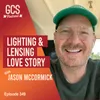
Cinematographer Jason McCormick returns to Go Creative Show to discuss his work on the FX series Love Story, beginning with the story of John F. Kennedy Jr. and Carolyn Bessette. Jason breaks down how he approached the visual language of a romantic story after working on darker projects like Dahmer and Menendez, and how the show's look evolved through instinct, collaboration, and trust. Jason shares how the project came together quickly when he stepped in just weeks before shooting the pilot, and how working with director Max Winkler allowed the show's style to develop organically on set. From choosing the 1.85 aspect ratio and developing a custom LUT inspired by 90s film photography, to navigating the challenges of shooting in New York City, Jason explains how cinematography can support emotion, character, and story. The conversation also explores the realities of working in today's film industry, the importance of pacing yourself during long production runs, and why great cinematography often comes from staying flexible and responding to the moment. What You'll Learn How Jason McCormick developed the visual style of Love Story Why aspect ratio and color pipeline are the first decisions he makes on a project Creating a custom LUT inspired by film photography The challenge of stepping into a project late and making it your own Shooting romance versus darker subject matter like Dahmer Navigating paparazzi and location challenges while filming in New York Why flexibility and instinct are key tools for cinematographers Topics Covered Entering the project shortly before shooting the pilot Working with director Max Winkler Developing the show's color palette and LUT Choosing lenses and aspect ratio for the series Building visual language for a romantic story The influence of paparazzi photography from the 1990s Filming in Manhattan and dealing with paparazzi on location Balancing creative instincts with production realities The current state of the film industry in Los Angeles Key Takeaways Cinematography starts with the shape of the frame and color pipeline, not the lighting. The best visual ideas often come from reacting to actors and locations in the moment. Trust between departments allows filmmakers to work faster and more creatively. Great cinematography isn't always about complexity — sometimes the right shot is simply putting the camera in the
Podzilla Summary coming soon
Sign up to get notified when the full AI-powered summary is ready.
Free forever for up to 3 podcasts. No credit card required.
Listen to This Episode
More from Go Creative Show
Good Luck, Have Fun, Don't Die Cinematography with James Whitaker
What Puppetry Teaches Filmmakers with Andrew G Cooper

The Bear's Filmmaking Secrets with Cinematographer Drew Wehde
Filming Black Mirror's Craziest In-Camera Shots with Stephan Pehrsson (USS Callister & Bête Noire)
Get summaries like this every morning.
Free AI-powered recaps of Go Creative Show and your other favorite podcasts, delivered to your inbox.
Free forever for up to 3 podcasts. No credit card required.