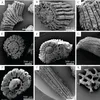
The first multicellular animals to build reefs lived in the Early Cambrian around the time of the Cambrian explosion. They were sponges called archaeocyaths. In the podcast, Sara Pruss suggests that the rise of the archaeocyaths fostered an increase in animal diversity. But they were relatively short-lived, and when they died out in the Middle Cambrian, the diversity declined. Over geological time, reef-building organisms appear and disappear again and again until the corals we have today appeared in the Middle Triassic, about 240 million years ago.Pruss is currently trying to understand why reefs are such a persistent feature of the geological record, despite the environmental stresses imposed on them. She is a Professor of Geosciences at Smith College.
Podzilla Summary coming soon
Sign up to get notified when the full AI-powered summary is ready.
Free forever for up to 3 podcasts. No credit card required.
Listen to This Episode
Get summaries like this every morning.
Free AI-powered recaps of Geology Bites and your other favorite podcasts, delivered to your inbox.
Free forever for up to 3 podcasts. No credit card required.