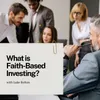
A growing number of Christians are asking not just how to invest, but whether their investments reflect what they believe. For many believers, investing has often been treated as a purely financial activity—something focused on returns, risk, diversification, and retirement goals. But what if investing is also deeply connected to our faith and calling? Luke Bolton, Executive for Strategic Relationships at Kingdom Advisors and co-author of the upcoming book, The Theology of Investing: A Biblical Perspective for Contemporary Investors, joins us on the show today to say that this is ultimately about more than financial strategy. It is about theology—what we believe about God, money, stewardship, and the world He created. Why a Theology of Investing Matters Most Christians encounter investing at some point, whether through a workplace retirement plan, an IRA, a brokerage account, or a conversation with a financial advisor. But many have never paused to ask a deeper question: What does my faith have to say about this? For Bolton, the answer begins with the lordship of Christ. If we confess that Jesus is Lord, then He is Lord over everything—including our money, savings, and investments. Colossians 3:17 says, “And whatever you do, in word or deed, do everything in the name of the Lord Jesus.” That “everything” includes how we invest. This does not mean every Christian will make the exact same investing decisions. But it does mean investing should not be placed in a separate category outside discipleship. Our portfolios, like every other part of life, should be brought under the wisdom and purposes of God. Investing Begins in the Heart A biblical approach to investing starts with what is happening internally. Are we trusting God, or are we trusting the markets? Are we investing out of wisdom and stewardship, or anxiety and fear? Are we content and grateful, or driven by comparison and accumulation? Those heart-level questions matter because financial decisions are never purely financial. They reveal what we value, what we fear, and where we place our hope. Scripture repeatedly reminds us not to put our ultimate confidence in wealth, which is uncertain, but in God, who richly provides. That perspective changes the way we think about return, risk, security, and purpose. Investing Also Has an Outward Expression Faith-based investing is not only about the heart, though. It also shapes outward decisions. Bolton explained that over the last 20 to 30 years, a growing number of Christians have begun taking meaningful action through their investments in three key ways. Some seek to avoid investments that conflict with their faith. Others look for opportunities to use their influence as investors for good. Still others seek investments that actively align with God’s heart for human flourishing and the good of His world. In other words, faith-based investing can move beyond simply asking, “What should I avoid?” It can also ask, “What good can my investments help accomplish?” Seeking the Welfare of the World Jeremiah 29:7 says, “Seek the welfare of the city where I have sent you…for in its welfare you will find your welfare.” Galatians 6:10 adds, “As we have opportunity, let us do good to everyone, and especially to those who are of the household of faith.” Those passages help frame investing as an opportunity. Capital can be deployed in ways that contribute to human flourishing, support productive work, and reflect God’s concern for the world He made. That does not remove the need for careful financial analysis. Investors still need wisdom, diversification, and sound counsel. But it does add another layer of due diligence: How might this investment reflect God’s character, purposes, and mission? Where to Begin For someone who wants to move in this direction, Bolton suggested a few simple first steps. Start by learning more about investing from a biblical worldview. Then take time to understand what you already own. Many investors do not know which companies or funds are represented in their portfolios. From there, seek wise counsel. This is not a conversation to navigate alone or simply by searching online. Proverbs reminds us that wisdom is often found in the presence of many counselors. A practical next step may be as simple as asking your advisor, “How might I better align my investments with my values?” Bolton noted that many advisors are waiting for clients to raise the question. In many cases, values-aligned investing conversations begin when investors ask. Your Portfolio Is an Opportunity The field of faith-based investing continues to grow. More investment solutions are becoming available for retirement plan
Podzilla Summary coming soon
Sign up to get notified when the full AI-powered summary is ready.
Free forever for up to 3 podcasts. No credit card required.
Listen to This Episode
More from Faith & Finance

Finding Purpose in Retirement with Mitch Anthony
Where Should You Keep Your Emergency Fund?

5 Smart Tips for a Budget-Friendly Family Vacation with Crystal Paine

Rising Healthcare Costs: Is There Another Way? with Lauren Gajdek
Get summaries like this every morning.
Free AI-powered recaps of Faith & Finance and your other favorite podcasts, delivered to your inbox.
Free forever for up to 3 podcasts. No credit card required.