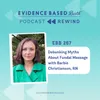
REPLAY: EBB 267 - Debunking Myths About Fundal Massage with Barbie Christianson, RN
Fundal massage, also known as uterine massage, is often performed as a routine procedure after birth, but research shows it does little to prevent postpartum hemorrhage and can be painful for many. On today's replay episode of the EBB Podcast, nurse, community educator, and advocate Barbie Christensen joins Dr. Rebecca Dekker to talk about the myths surrounding this common postpartum procedure and how it connects to broader patterns of obstetric violence in maternity care. Barbie explains the difference between a fundal assessment, a routine massage, and the massage used to treat active postpartum hemorrhage, and walks through what the evidence actually shows about each approach. She also shares trauma-informed scripts that nurses and providers can use to explain what they are doing and obtain informed consent, even in urgent, fast moving situations. Learn how unit culture, staffing, and fear based practice patterns can affect whether an unnecessary intervention becomes the default standard of care, and how to speak up and advocate for respectful care. (02:40) Barbie's path from special education to labor and delivery nurse (04:36) Witnessing obstetric violence as a new nurse and learning the term (10:52) Defining fundal assessment versus fundal massage (18:06) When uterine massage is actually medically necessary (22:07) Recap: fundal assessment, routine massage, and massage for active hemorrhage (23:01) What the research says about routine fundal massage (26:04) How forceful and painful routine massage can be without consent (30:35) Misinformation about fundal massage on social media (34:11) Scripts for advocating for yourself if massage is done without medical need (37:00) How to assess and massage your own fundus after birth (39:26) What your uterus should feel like in the days after birth (44:35) A message to nurses who want to change their practice (45:11) Trauma-informed scripts for when massage is medically necessary (53:30) Unit culture and unaddressed trauma among nurses and providers Resources The Evidence on Pitocin During the Thrird Stage of Labor: ebbirth.com/thirdstage For more information about Evidence Based Birth and a crash course on evidence based care, visit www.ebbirth.com. Follow us on Instagram and YouTube! Ready to learn more? Grab a Pocket Guide, the My Doula Visit Workbook, or read Dr. Dekker's book, "Babies Are Not Pizzas: They're Born, Not Delivered!" If you want to get involved at EBB, join our Professional membership (scholarship options available) and get on the waitlist for our EBB Instructor program. Find an EBB Instructor here, and click here to learn more about the EBB Childbirth Class.
Podzilla Summary coming soon
Sign up to get notified when the full AI-powered summary is ready.
Free forever for up to 3 podcasts. No credit card required.
Listen to This Episode
More from Evidence Based Birth

EBB 411 - Advocating for a Family Centered Cesarean with Holly and Nathan Miller, EBB Childbirth Class Graduates

EBB 410 - Evidence and Controversy Surrounding Freebirth

EBB 409 - Business Advice for New Doulas with Katie Nyberg, Doula Trainer and Founder of The Iowa Baby Ladies
REPLAY: EBB 344 - Crash Course in Perinatal Mood Disorders and Treatment with Dr. Kat Kaeni, Perinatal Psychologist and Past Board Chair of Postpartum Support International
Get summaries like this every morning.
Free AI-powered recaps of Evidence Based Birth and your other favorite podcasts, delivered to your inbox.
Free forever for up to 3 podcasts. No credit card required.