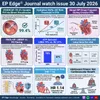
EP Edge Journal Watch Issue 30: VISION AF, Pulsed Field Ablation Safety, PACE-HF and Conduction System Pacing | July 2026
In EP Edge® Journal Watch Issue 30, July 2026, we explore the next phase of cardiac electrophysiology, from pulsed field ablation durability and physiologic pacing to neuromodulation, sleep, fitness, and lifetime arrhythmia risk.We begin with the first-in-human VISION AF study, which evaluates an endoscope-enabled pulsed field ablation balloon that allows direct visualization of the electrode-tissue interface. Chronic invasive remapping provides a close look at pulmonary vein isolation durability and raises an important question: could seeing tissue contact become the next major advance in PFA workflow? Two additional studies examine practical PFA safety signals. One evaluates hemolysis-associated acute kidney injury, pulse count, chronic kidney disease, extensive left atrial ablation, and whether protocol-based hydration can reduce renal risk. Another quantifies acute blood pressure drops during circular-array PFA and identifies the first pulmonary vein treatment as the period of greatest hemodynamic vulnerability. The pacing and ventricular arrhythmia section includes: The randomized PACE-HF trial, comparing left bundle branch area pacing with conventional right ventricular pacing A preclinical comparison of left bundle branch area antitachycardia pacing and right ventricular ATP Pulsed ultrahigh-frequency spinal cord stimulation as a potential neuromodulation strategy after myocardial infarction We then move beyond the EP laboratory to examine: Insomnia and incident atrial fibrillation The lifetime cardiovascular tradeoff between high cardiorespiratory fitness and AF risk Whether the balance of moderate and vigorous physical activity influences cardiovascular and overall mortality Each paper is examined through its rationale, methodology, statistical meaning, limitations, and potential clinical consequences.Can direct tissue visualization improve PFA durability? Should PFA pulse count be treated as a biologic dose? Is right ventricular pacing still acceptable when substantial pacing is anticipated? Could the site of antitachycardia pacing determine whether VT terminates? How should clinicians incorporate sleep and exercise into arrhythmia prevention?This episode is intended for electrophysiologists, cardiologists, device specialists, fellows, researchers, and anyone following advances in pulsed field ablation, conduction system pacing, ventricular arrhythmia therapy, and preventive cardiology.Read the companion newsletter and subscribe to EP Edge® Journal Watch at epedge.substack.com.
Podzilla Summary coming soon
Sign up to get notified when the full AI-powered summary is ready.
Free forever for up to 3 podcasts. No credit card required.
Listen to This Episode
More from EP Edge Journal Watch: Cardiac Electrophysiology Research
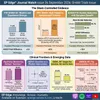
EP Edge Journal Watch 36: ESC 2026, AF Ablation and Sham Trials | PVI-SHAM-AF, PFA-SHAM, SHAM-PVI, FlexPulse, NEXAF, IDEAL-AF, ENRICH-AF

EP Edge Journal Watch Issue 35: ESC 2026 Munich Special Edition | SINGLE-AF, CMR GUIDE, New HF Guidelines & Fifth Universal Definition of MI
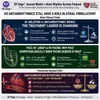
EP Edge × HRS: Rethinking the Defaults: AFib Ablation vs Antiarrhythmics, Flecainide Beyond CAST, and Physiologic Pacing
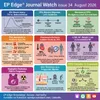
EP Edge Journal Watch Issue 34 August 2026: ICD Shocks, Troponin, PFA Safety, LOSE-AF Weight Loss and POTS, Radiation Expose in the EP Lab
Get summaries like this every morning.
Free AI-powered recaps of EP Edge Journal Watch: Cardiac Electrophysiology Research and your other favorite podcasts, delivered to your inbox.
Free forever for up to 3 podcasts. No credit card required.