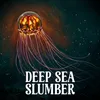
The Mariana Trench Explained | The Creatures That Live Eleven Kilometers Down
Eleven kilometers below the surface of the Pacific Ocean, the seafloor drops away into the deepest known place on the planet. No sunlight has ever reached it. The pressure there would collapse most structures humans have ever built. And yet life continues in that darkness, not by hardening against the weight, but by softening into it.🌊 In this episode:• How the hadal snailfish survives crushing pressure by becoming soft, flexible, and chemically tuned to the abyss• The amphipods that arrive in crowds where marine snow lands, turning scarcity into a brief abundance• Xenophyophores: single cells that grow large enough to build architecture, raising fragile houses from gathered sediment• The molecular chemistry inside hadal shrimp that keeps proteins folded where most bodies would fail• A full Day in the Life of a dumbo octopus drifting on slow fin-beats above the abyssal plainThe trench has been here for millions of years. It is patient in a way that most things are not. You can let it carry your attention somewhere very deep, very still, and very far from anything that needs to be solved tonight.Perfect for falling asleep, unwinding, or anyone curious about ocean life.🔔 Subscribe for more: @DeepSeaSlumber#MarianaTrench #SleepDocumentary #DeepSea #OceanDocumentary Hosted on Acast. See acast.com/privacy for more information.
Podzilla Summary coming soon
Sign up to get notified when the full AI-powered summary is ready.
Free forever for up to 3 podcasts. No credit card required.
Listen to This Episode
More from Deep Sea Slumber
The Midnight Zone Explained | The Largest Living Space on Earth Has Never Seen the Sun
The Sunfish Explained | The Giant Fish That Looks Unfinished but Isn't
Mantis Shrimp Facts for Sleep | The Most Dangerous Reef Animal Nobody Talks About
Twilight Zone Facts for Sleep | Cold, Dark, and Home to the Ocean's Great Migration
Get summaries like this every morning.
Free AI-powered recaps of Deep Sea Slumber and your other favorite podcasts, delivered to your inbox.
Free forever for up to 3 podcasts. No credit card required.