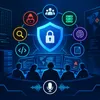
Course 46 - CompTIA Cybersecurity Analyst | Episode 20: Cyber Incident Response
Episode OverviewThis episode explores the foundations of cyber incident response, explaining how organizations distinguish routine security events from incidents that require coordinated response, and how they build teams and procedures capable of handling real-world attacks.The discussion begins by differentiating observable security events from confirmed or suspected incidents and examining why organizations need an incident response plan before an attack occurs. It then examines the structure of a Computer Security Incident Response Team (CSIRT), including permanent cybersecurity personnel, temporary subject matter experts, IT support, legal counsel, and management.The episode also highlights the importance of clearly defined authority, escalation procedures, communications responsibilities, activation criteria, and incident-response playbooks. Finally, it explains how exercises, policy walkthroughs, and controlled red-team simulations can help organizations identify weaknesses before an actual incident occurs.Key Topics Covered1. Security Events vs. Security IncidentsNot every unusual or security-related event represents a confirmed security incident.A security event is an observable occurrence within a system or network. Examples include:- Successful user logins- Failed authentication attempts- Account changes- Network connections- Configuration changes- Security alertsAn incident generally involves an event or series of events that meets an organization's defined criteria for a security incident and requires investigation or response.This distinction helps security teams avoid treating every routine event as a major incident while ensuring genuinely significant activity receives an appropriate response.2. The Importance of Incident Response PlanningIncident response planning should take place before an organization experiences a major security event.A well-designed plan establishes:- Roles and responsibilities- Incident classification criteria- Activation procedures- Escalation paths- Communication channels- Decision-making authority- Technical response procedures- Legal and regulatory considerations- Recovery responsibilities- Documentation requirementsPreparation allows responders to act more quickly and consistently when time-sensitive decisions are required.An effective response program aims to reduce operational disruption, limit damage, preserve evidence, restore services, and support organizational recovery.3. Building a CSIRTA Computer Security Incident Response Team (CSIRT) brings together the expertise required to investigate and respond to security incidents.The team can combine permanent members with specialists who are brought into an incident based on its characteristics.Core TeamPermanent members may include:- Incident response specialists- Security analysts- Security engineers- Incident response leadership- SOC personnelThe core team provides continuity, maintains response procedures, and coordinates investigations.Subject Matter ExpertsSpecialists can be added when their expertise is relevant to a particular incident.Examples include:- Database administrators- Linux administrators- Windows administrators- Network engineers- Cloud specialists- Application owners- Identity and access-management specialistsThis flexible structure allows the organization to scale its response according to the incident rather than maintaining every possible technical specialty as a permanent member of the CSIRT.Supporting RolesEffective incident response may also require:- IT operations personnel- Legal counsel- Compliance and privacy specialists- Communications or public-relations representatives- Business continuity and disaster-recovery personnel- Executive management4. The Incident Response LeadA designated incident-response lead or incident commander helps coordinate the technical response.Responsibilities can include:- Establishing the response structure- Coordinating technical teams- Tracking investigative activities- Maintaining situational awareness- Managing escalation- Ensuring actions are documented- Coordinating containment, eradication, and recovery activitiesClear leadership helps prevent multiple teams from performing conflicting actions during a rapidly developing incident.5. Management and Decision-MakingTechnical responders provide analysis and recom
Podzilla Summary coming soon
Sign up to get notified when the full AI-powered summary is ready.
Free forever for up to 3 podcasts. No credit card required.
Listen to This Episode
More from CyberCode Academy

Course 47 - SCADA Security Architect (CSSA) | Episode 6: Common Vulnerabilities and Assessment Scanning

Course 47 - SCADA Security Architect (CSSA) | Episode 5: Signals, Sniffing & Hardware

Course 47 - SCADA Security Architect (CSSA) | Episode 4: ICS Reconnaissance & Scanning Techniques

Course 47 - SCADA Security Architect (CSSA) | Episode 3: From Methodologies to Exploitation
Get summaries like this every morning.
Free AI-powered recaps of CyberCode Academy and your other favorite podcasts, delivered to your inbox.
Free forever for up to 3 podcasts. No credit card required.