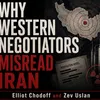
Ep 58: June 18th, 2026: Why Western Negotiators Misread Iran
Episode Description In this episode of Conflict Uncovered, Elliot Chodoff examines the strategic and ideological problems at the heart of negotiations with Iran. The discussion focuses on a recurring failure in Western diplomacy: treating agreements as if both sides understand truth, obligation, compromise, and long-term interest in the same way. Iran’s regime does not approach negotiations like a normal state seeking stable coexistence. It operates from an ideological framework in which deception, delay, ambiguity, and tactical concessions can serve long-term revolutionary goals. That does not mean diplomacy is meaningless. It means diplomacy becomes dangerous when negotiators ignore the nature of the regime across the table. Elliot explores how Western assumptions about agreements, verification, incentives, and trust often break down when applied to a regime that views negotiations as another arena of conflict. The issue is not simply whether Iran signs a deal. The issue is what Iran believes a deal is for. The episode also looks at the historical temptation to believe that adversaries can be moderated through paper agreements, economic incentives, or diplomatic recognition. From Munich to later arms-control failures, history shows that agreements with ideological regimes are only as strong as the enforcement mechanisms behind them. At the center of the conversation is a hard question: what happens when one side sees diplomacy as a path to peace, while the other sees it as a tool for buying time, gaining legitimacy, and advancing its strategic position? This episode is for listeners interested in Iran, U.S. foreign policy, Israel’s security concerns, nuclear negotiations, deterrence, diplomatic failure, and the deeper cultural and ideological assumptions that shape international conflict. Show Notes In this episode of Conflict Uncovered, Elliot Chodoff analyzes the risks built into Western negotiations with Iran, especially when diplomats assume that the Iranian regime shares Western ideas about compromise, credibility, and the purpose of agreements. The episode argues that the core problem is not only technical — centrifuges, inspections, sanctions, cyber violations, or enrichment levels. Those matter. But the deeper problem is strategic and ideological: Iran’s regime has repeatedly treated negotiations as a means of preserving options, exploiting ambiguity, and advancing long-term objectives while reducing pressure in the short term. Main Themes Why Western negotiators often misread Iran’s intentions The difference between a normal diplomatic agreement and a tactical pause How ideological regimes use ambiguity, delay, and deception Why verification matters more than promises The danger of assuming Iran wants stability in the same way the West does The role of nuclear negotiations in Iran’s broader regional strategy How historical analogies like Munich still shape debates over appeasement and deterrence Why agreements without enforcement can become strategic cover The problem of projecting Western political logic onto a revolutionary regime What flawed Iran diplomacy means for Israel, the United States, and regional security In This Episode Elliot examines the gap between Western diplomatic culture and the strategic culture of the Iranian regime. In Western politics, an agreement is often treated as a sign of progress: a framework for trust, gradual normalization, and mutual benefit. But with Iran, an agreement may function very differently. It can reduce pressure, divide opponents, create time, preserve infrastructure, and generate international legitimacy without requiring a real change in long-term objectives. The discussion also addresses deception as a strategic tool. Iran’s regime has a long record of concealment, denial, and selective compliance. That record matters because arms-control agreements are not judged by the elegance of their language. They are judged by whether violations are detected, punished, and prevented from becoming irreversible. Elliot also looks at the Western tendency to believe that adversaries can be moderated by incentives. Economic relief, diplomatic engagement, and international recognition may influence behavior, but they do not automatically change ideology. When a regime’s legitimacy is tied to revolutionary goals, hostility toward Israel, regional influence, and opposition to the United States, negotiation alone cannot be assumed to transform its strategic identity. The episode frames Iran diplomacy as a test of realism. The question is not whether diplomacy should exist. The question is whether diplomacy is being used with clear eyes, hard verification, credible consequences, and an accurate understanding of the regime involved. Key Questions Why do Western negotiators repea
Podzilla Summary coming soon
Sign up to get notified when the full AI-powered summary is ready.
Free forever for up to 3 podcasts. No credit card required.
Listen to This Episode
More from Conflict Uncovered with Elliot Chodoff (Another Rough Day in the Middle East)
Ep 61- August 4, 2026: Rational Fanatics: Iran, Hamas, and the Fatal Western Misread
Ep 60: July 14, 2026: Iran, Escalation, and the Logic of Middle Eastern Power

EP 59: July 2, 2026: Iran, Israel, and the Dangerous Middle of a Crisis

Ep 57: June 9, 2026 The Long Road to Oct 7 Part 7
Get summaries like this every morning.
Free AI-powered recaps of Conflict Uncovered with Elliot Chodoff (Another Rough Day in the Middle East) and your other favorite podcasts, delivered to your inbox.
Free forever for up to 3 podcasts. No credit card required.