Free Daily Podcast Summary
Code Switch: Daily Summaries Delivered
by NPR
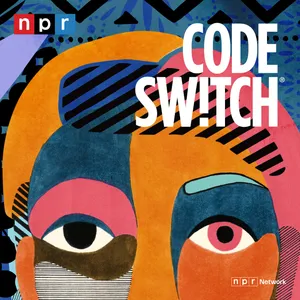
What's CODE SWITCH? It's the fearless conversations about race that you've been waiting for. Hosted by journalists of color, our podcast tackles the subject of race with empathy and humor. We explore how race affects every part of society — from politics and pop culture to history, food and everything in between. This podcast makes all of us part of the conversation — because we're all part of the story. Code Switch was named Apple Podcasts' first-ever Show of the Year in 2020.
Latest Episodes
The most recent episodes — sign up to get AI-powered summaries of each one.
- 2 days ago25 min
Is Cuba Trump's next real estate project?
Cubans are living through near-constant blackouts after an executive order that called the Cuban government an “unusual and extraordinary threat” to U.S. national security and blocked their fuel imports. A hundred-page State Department report describes Cuba as the puppeteer behind everything from the George Floyd protests to what it calls the rise of antifa. We talk to historians Michael Bustamante and Alexander Hall about the day to day effects of U.S. pressure, why this crisis is old and new at the same time, and why Black Cubans are absorbing the worst of the crisis.Support public media with NPR+ and enjoy perks for over 25 podcasts like this one. This show’s perks include sponsor-free listening. Learn more at plus.npr.org.See pcm.adswizz.com for information about our collection and use of personal data for sponsorship and to manage your podcast sponsorship preferences.NPR Privacy Policy
- 5 days ago35 min
Why can’t people be normal about the WNBA?
The WNBA is more popular than ever, but the growth has come with a lot of unwanted attention, like protests at games and death threats directed towards players. This week, we talk with independent journalist Frankie de la Cretaz about what brought all of this hate into the league, and NPR’s domestic extremism correspondent, Odette Yousef, about the ways the league is responding.Support public media with NPR+ and enjoy perks for over 25 podcasts like this one. This show’s perks include sponsor-free listening. Learn more at plus.npr.org.See pcm.adswizz.com for information about our collection and use of personal data for sponsorship and to manage your podcast sponsorship preferences.NPR Privacy Policy
- 1 weeks ago36 min
Why we’re all being watched
There’s a growing backlash to the surveillance systems that have quietly wired themselves into American neighborhoods, with concern growing among people who have never felt watched this way before. Gene talks with historian Matthew Guariglia about how the surveillance state got built, who it was built on first, and why opposing it now unites so many factions.Support public media with NPR+ and enjoy perks for over 25 podcasts like this one. This show’s perks include sponsor-free listening. Learn more at plus.npr.org.See pcm.adswizz.com for information about our collection and use of personal data for sponsorship and to manage your podcast sponsorship preferences.NPR Privacy Policy
- 1 weeks ago27 min
25 years after 9/11, our definition of terrorism continues to expand
In the 25 years since 9/11, we've seen the definition of terrorism expand. The Trump administration has called more and more groups “terrorists,” from “narco-terrorists” in Ecuador to people who protest ICE to the entire Democratic party. This week, our conversation with Saher Selod, an expert on the surveillance of Muslims, about the effects of the war on terror after 9/11, and historian Alex Lubin about how the word “terrorist” has been used to enact violence and surveillance.Support public media with NPR+ and enjoy perks for over 25 podcasts like this one. This show’s perks include sponsor-free listening. Learn more at plus.npr.org.See pcm.adswizz.com for information about our collection and use of personal data for sponsorship and to manage your podcast sponsorship preferences.NPR Privacy Policy
- 2 weeks ago1h 5m
We're Miseducated on Lauryn Hill
Lauryn Hill is a generational voice, a cultural lightning rod, and one of music’s biggest what-ifs. Our very own B.A. Parker joined the Big Lives podcast, hosted by Kai Wright and Emmanuel Dzotsi, to unpack the meteoric rise of the Fugees frontwoman and the intense pressures that pushed one of hip-hop and R&B’s brightest stars out of the spotlight.Find Big Lives wherever you get your podcasts.Support public media with NPR+ and enjoy perks for over 25 podcasts like this one. This show’s perks include sponsor-free listening. Learn more at plus.npr.org.See pcm.adswizz.com for information about our collection and use of personal data for sponsorship and to manage your podcast sponsorship preferences.NPR Privacy Policy
- 2 weeks ago32 min
Freedom from fatness: Why GLP-1s go after Black bodies
Ads for GLP-1s are everywhere. This week, we dig into why so many of those ads seem to feature Black women with Sabrina Strings, author of “Fearing the Black Body” a book about the racial origins of fatphobia. We get into the toxic comment culture around everyone from Lizzo to Ariana Grande, and how the origins of body shaming have all led us to this post-body positive moment. Support public media with NPR+ and enjoy perks for over 25 podcasts like this one. This show’s perks include sponsor-free listening. Learn more at plus.npr.org.See pcm.adswizz.com for information about our collection and use of personal data for sponsorship and to manage your podcast sponsorship preferences.NPR Privacy Policy
- 3 weeks ago27 min
Banana Ball's racial minstrelsy past
Banana Ball is a barnstorming baseball league revived by the tremendously popular Savannah Bananas, a team with millions of followers on TikTok and Instagram — known as much for their dance routines and shenanigans as their actual baseball. Recently the league resurrected the Indianapolis Clowns, a Negro League team with a contentious history of racial minstrelsy. We talk with journalist Josh Levin, who followed the Clowns through their Banana Ball debut.Support public media with NPR+ and enjoy perks for over 25 podcasts like this one. This show’s perks include sponsor-free listening. Learn more at plus.npr.org.See pcm.adswizz.com for information about our collection and use of personal data for sponsorship and to manage your podcast sponsorship preferences.NPR Privacy Policy
- 3 weeks ago33 min
Unpacking estrangement: Who goes No Contact?
Is there a family estrangement epidemic? This week, we dig into what’s behind the no-contact movement with sociologist Rin Reczek, author of the new book, “Families We Lose.” Rin walks us through who gets cut off, why the numbers look so different for Black mothers and Black fathers, and how we can start rethinking what family means.Support public media with NPR+ and enjoy perks for over 25 podcasts like this one. This show’s perks include sponsor-free listening. Learn more at plus.npr.org.See pcm.adswizz.com for information about our collection and use of personal data for sponsorship and to manage your podcast sponsorship preferences.NPR Privacy Policy
Get Code Switch summaries in your inbox
Free AI-powered daily recaps. Key takeaways, quotes, and mentions — in a 5-minute read.
Get Free Summaries →Free forever for up to 3 podcasts. No credit card required.
You Might Also Like
Listeners also like.
Black Stories. Black Truths.
Curated NPR stories exploring the Black experience through powerful, emotional, and thought-provoking podcast episodes.
It's Been a Minute
A cultural critic explores the hidden forces shaping identity, politics, and pop culture in modern society.
Slow Burn
Examines pivotal political and cultural moments in American history through archival audio and firsthand accounts.
The NPR Politics Podcast
Daily political reporting from NPR journalists explaining major developments in Washington and on the campaign trail.
Americast
Weekly analysis of U.S. politics and social media’s impact on elections from BBC journalists and guests.
Slate News
A daily news podcast that examines the biggest stories in politics, culture, and society with in-depth reporting and analysis.
Pop Culture Happy Hour
Reviews and discussions of movies, TV, music, and video games from a rotating panel of pop culture critics and guests.
Short Wave
A daily science podcast exploring discoveries, everyday mysteries, and the stories behind scientific headlines.
Decoder Ring
A cultural critic investigates the origins and significance of curious phenomena, from forgotten trends to everyday rituals.
StoryCorps
Unscripted conversations between people exploring love, loss, family, and friendship through personal stories.
Planet Money
Explains how economic forces influence everyday life and global events through storytelling and deep dives into surprising topics.
NPR's Book of the Day
A daily podcast highlighting the most compelling new books across genres, distilled into brief, accessible episodes.
About Code Switch
What's CODE SWITCH? It's the fearless conversations about race that you've been waiting for. Hosted by journalists of color, our podcast tackles the subject of race with empathy and humor. We explore how race affects every part of society — from politics and pop culture to history, food and everything in between. This podcast makes all of us part of the conversation — because we're all part of the story. Code Switch was named Apple Podcasts' first-ever Show of the Year in 2020.
Customized Recaps
AI-powered recaps with compact key takeaways, quotes, and insights.
Straight to Your Inbox
Get key takeaways from Code Switch in a 5-minute read.
Save Hours Every Week
Stay current on your favorite podcasts without falling behind.
Frequently Asked Questions
What is Podzilla's Code Switch daily summary?
It's a free AI-powered email that summarizes new episodes of Code Switch as soon as they're published. You get the key takeaways, notable quotes, and links & mentions — all in a quick read.
How does the Code Switch podcast summary work?
When a new episode drops, our AI transcribes and analyzes it, then generates a personalized summary tailored to your interests and profession. It's delivered to your inbox every morning.
Is this an official Code Switch product?
No. Podzilla is an independent service that summarizes publicly available podcast content. We're not affiliated with or endorsed by NPR.
Can I get summaries of other podcasts too?
Absolutely! The free plan covers up to 3 podcasts. Upgrade to Pro for 15, or Premium for 50. Browse our full catalog at /podcasts.
How often does Code Switch release new episodes?
Code Switch publishes 2x weekly. Our AI generates a summary within hours of each new episode.
What topics does Code Switch cover?
Code Switch covers topics including Culture, Society & Culture. Our AI identifies the specific themes in each episode and highlights what matters most to you.
Start getting Code Switch summaries tomorrow morning.
Free forever for up to 3 podcasts. No credit card required.
Free forever for up to 3 podcasts. No credit card required.