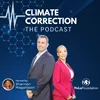
February 2026 | Season 6, Episode 131 The Road after COP30 Starts in the Ocean In this episode of the Climate Correction Podcast, we explore why the future of climate action, food security, and biodiversity is inseparable from the ocean. The conversation centers on the growing recognition that fish, seaweed, and other aquatic foods are not just economic resources, but climate-smart nutrition solutions with an outsized role in building resilient food systems. Our guest is Karly Kelso, Acting Senior Director of Global Ocean Strategies at the Environmental Defense Fund. Karly sits at the intersection of food, climate, and ocean policy, leading EDF's global aquatic foods work and serving as Secretariat for the Aquatic Blue Foods Coalition. She works closely with governments, civil society, the private sector, and UN climate processes to ensure aquatic foods are embedded in global climate and food policy conversations. With more than fifteen years at EDF, her work has helped shape sustainable fisheries management and ocean resilience efforts worldwide, including oversight of EDF's fisheries initiatives in India. The conversation reflects on a rare moment of global alignment in 2025, when major international convenings on ocean, climate, and biodiversity finally converged around a shared narrative. For the first time, aquatic foods emerged not as a side topic, but as a central solution linking climate mitigation, human nutrition, livelihoods, and ecosystem health. Karly explains why this alignment felt different, and how it opened the door for more integrated, systems-level thinking. We also dig into the growing momentum to recognize "blue foods" as a climate solution. Fish and seaweed provide high-quality protein and essential micronutrients with a significantly smaller climate footprint than most land-based foods. Yet, as countries look to scale aquatic foods in future food systems, Karly emphasizes that equity must remain core, ensuring coastal communities, small-scale fishers, and Indigenous Peoples benefit, rather than repeating patterns of industrial exploitation. A major focus of the episode is the deep ocean, particularly mesopelagic fish, a group of midwater species that most people have never heard of, yet which play a critical role in moving carbon from the ocean surface to the deep sea and supporting marine food webs. Karly explains why these species are essential to climate regulation and why growing interest in harvesting them for fishmeal and fish oil raises serious red flags. Drawing lessons from past ocean exploitation, she outlines why scientists and organizations like EDF are urging caution. Despite major data gaps about the deep ocean, EDF and partners successfully advanced IUCN Motion 035 to protect mesopelagic ecosystem integrity. Karly walks us through why acting now, before <span style= "mso-ascii-font-family: Aptos; mso-fareast-font-family: Aptos; mso-hansi-font-family: Ap
Podzilla Summary coming soon
Sign up to get notified when the full AI-powered summary is ready.
Free forever for up to 3 podcasts. No credit card required.
Listen to This Episode
More from Climate Correction Podcast
Food: The Ultimate Messenger
Nature Finance is Upside Down: What the 2026 UNEP Report Reveals
Voices of Florida Farmers: Building a Circular Bioeconomy
When the Grid Goes Down: Decarbonizing Disaster Response
Get summaries like this every morning.
Free AI-powered recaps of Climate Correction Podcast and your other favorite podcasts, delivered to your inbox.
Free forever for up to 3 podcasts. No credit card required.