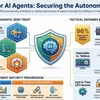
As autonomous AI models accelerate the speed of cyber threats, traditional security perimeters are failing, requiring organizations to adopt a Zero Trust architecture specifically designed for agentic systems. This framework adapts core Zero Trust principles to address novel vulnerabilities—such as prompt injection, tool hijacking, and memory poisoning—by enforcing strict identity-based isolation and shifting from traditional "least privilege" to "least agency". By implementing hard cryptographic barriers, automated incident response, and continuous behavioral monitoring, organizations can effectively contain an attacker's blast radius and operate securely even when a breach inevitably occurs. Claude Zero Trust PDF Sponsors https://cisomarketplace.services/engagements/claude-cybersecurity-consulting https://cisomarketplace.services/ai-services https://cisomarketplace.services/program
Podzilla Summary coming soon
Sign up to get notified when the full AI-powered summary is ready.
Free forever for up to 3 podcasts. No credit card required.
Listen to This Episode
More from CISO Insights: Voices in Cybersecurity
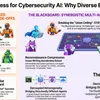
Breaking the Union Ceiling: The Path to Cybersecurity SuperIntelligence
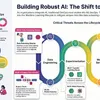
Defending MLOps Against Autonomous AI Warfare
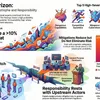
The AI Accountability Gap: Prioritizing Catastrophic Risks

The Dark Side of the Pitch: Securing the 2026 World Cup
Get summaries like this every morning.
Free AI-powered recaps of CISO Insights: Voices in Cybersecurity and your other favorite podcasts, delivered to your inbox.
Free forever for up to 3 podcasts. No credit card required.