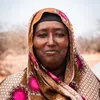
118 | Kenyan Herders Say Judgement Against Them Based on Forged Signatures / Continuation of Episode 117
<div data-type="rootblock" data-pm-slice= "2 2 ["aiblock",{"prompt":"","preview":false,"block":{"id":"blk_01JW1KTJNVQ2TSZGJHEQJKZYWT","status":"succeeded","type":"prompt","selected_variation":0,"variations":["In this episode of our podcast, we delve into the complex and often contentious world of community conservancies in northern Kenya, focusing on the Biliko Bulesa and Cherub Community Conservancies. The episode opens with a powerful statement from community members, emphasizing that the ongoing legal battles surrounding these conservancies are not about the interests of the community but rather the agendas of a few individuals.\n\nWe introduce Mustafa Mohamed Libin, a community member from Biliko Bulesa, who shares the story of how his community took bold steps in 2007 to form a conservancy that is truly community-run, contrasting it with the historical context of land ownership in the region. The episode highlights the positive impacts of the conservancy, including the revival of traditional grazing practices and the introduction of carbon finance to support community initiatives.\n\nHowever, the narrative takes a darker turn as we discuss the backlash faced by the conservancies, particularly following a report from the Oakland Institute that accused the Northern Rangelands Trust (NRT) of various human rights abuses. We explore the subsequent media frenzy that ensued, often lacking proper fact-checking and failing to consult actual community leaders. The episode serves as a follow-up to episode 117, providing deeper insights into the crisis faced by the community and the urgent need for their voices to be heard.\n\nThroughout the episode, we hear directly from community members, including youth representatives and conservancy leaders, who express their concerns about the recent court ruling that deemed the conservancies illegal due to alleged lack of consent. They recount their shock at the judgment, which they claim was made without their knowledge or participation, and discuss the significant benefits the conservancies have brought to their lives, including access to education, healthcare, and economic opportunities.\n\nThe community members passionately defend the conservancies, asserting that the allegations made against them are unfounded and that the real beneficiaries of the conservancy are the local people. They highlight the transformative impact of the conservancy on women's empowerment, youth engagement, and community development, emphasizing that the conservancy is a lifeline for their livelihoods.\n\nAs the episode progresses, we address the misconceptions propagated by external organizations and the media, which often portray the conservancies in a negative light. The community members clarify the differences between community-run conservancies and private conservancies, asserting their ownership and the positive changes that have occurred since the establishment of their conservancy.\n\nIn closing, the episode underscores the importance of community voices in the narrative surrounding conservation efforts. The community members call for transparency and engagement from external organizations, urging them to visit and understand the realities on the ground rather than relying on hearsay. This episode is a powerful testament to the resilience of the Biliko Bulesa and Cherub communities and their unwavering commitment to protecting their rights and livelihoods amidst external challenges. \n\nIf you find this kind of truth-telling important, consider supporting our work at patreon.com/bionicplanet. Your support helps us continue to share these vital stories."],"configuration":{"id":"blk_cfg_01HPBGEWJXR7G716TW9ZNZDFG0","type":"prompt","name":"Detailed Synopsis","description":null,"markdown_value":null,"prompt_value":"Write a detailed synopsis for this podcast episode. Write from the perspective of the podcast host.","archived_at":null,"saved":true,"timestamp_configuration":null,"quote_configuration":null},"prosemirror":[{"type":"rootblock","content":[{"type":"paragraph","content":[{"type":"text","text":"In this episode of our podcast, we delve into the complex and often contentious world of community conservancies in northern Kenya, focusing on the Biliko Bulesa and Cherub Community Conservancies. The episode opens with a powerful statement from community members, emphasizing that the ongoing legal battles surrounding these conservancies are not about the interests of the community but rather the agendas of a few individuals."}]},{"type":"paragraph","content":[{"type":"text","text":"We introduce Mustafa Mohamed Libin, a community member from Biliko Bulesa, who shares the story of how his community took bold steps in 2007 to form a conservancy that is truly community-run, contrasting it with the historical context of land ownership in the region. The episode highlights the positive impacts of the conservancy, including the revival of traditional grazing practices and the introduction of carbon
Podzilla Summary coming soon
Sign up to get notified when the full AI-powered summary is ready.
Free forever for up to 3 podcasts. No credit card required.
Listen to This Episode
More from Bionic Planet: Reversing Climate Change by Restoring Nature

121 | Michael Greene: Carbon Cowboy or Lone Ranger Part 2 – The $200 Million Land Heist in the Amazon
120 | Indonesia is Still Moving its Capitol, and Nobody Cares?
119 | Blue Carbon Pioneer James Kairo on How Mangroves Combat Climate Change: First of Three Parts

117 | Kenyan Pastoralists Cry Foul on Western NGOs, Media. First of two parts
Get summaries like this every morning.
Free AI-powered recaps of Bionic Planet: Reversing Climate Change by Restoring Nature and your other favorite podcasts, delivered to your inbox.
Free forever for up to 3 podcasts. No credit card required.