Free Daily Podcast Summary
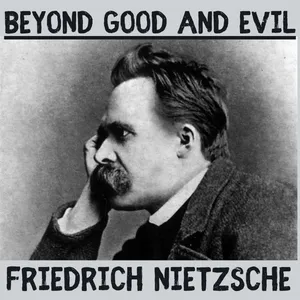
Beyond Good & Evil - Friedrich Nietzsche: Daily Summaries Delivered
by Friedrich Nietzsche
First published in 1886 at Nietzsche’s own expense, the book was not initially considered important. In it, Nietzsche denounced what he considered to be the moral vacuity of 19th century thinkers. He attacked philosophers for what he considered to be their lack of critical sense and their blind acceptance of Christian premises in their considerations of morality and values. Beyond Good and Evil is a comprehensive overview of Nietzsche’s mature philosophy.View our full collection of podcasts at our website: https://www.solgoodmedia.com or YouTube channel: www.solgood.org/subscribeThis is a Librivox Recording. All Librivox recordings are in the public domain.
Latest Episodes
The most recent episodes — sign up to get AI-powered summaries of each one.
- Today4h 2m
Dialogues Concerning Natural Religion-David Hume
David Hume's "Dialogues Concerning Natural Religion" presents a profound exploration of the nature and existence of God through a series of philosophical discussions among three characters. This work delves into the complexities of faith, reason, and the limits of human understanding, challenging readers to reflect on the foundations of their beliefs. Hume's incisive arguments and skeptical approach encourage a critical examination of religious doctrines, making this dialogue not only a cornerstone of philosophical literature but also a timeless inquiry into the intersection of faith and rationality.
- Yesterday4h 5m
White Dandy A Horse's Story-Velma Caldwell Melville
"White Dandy: A Horse's Story" by Velma Caldwell Melville offers a unique perspective on the life and experiences of a horse, capturing the essence of its journey through vivid storytelling. This tale resonates with timeless themes of companionship, resilience, and the bond between humans and animals, making it a captivating listen for anyone who appreciates the profound connections that exist in our lives. The narrative invites listeners to reflect on the simplicity and beauty of life through the eyes of a horse, reminding us of the enduring nature of loyalty and friendship. As we navigate our own complexities, this story serves as a gentle reminder of the joy found in the pure and honest moments shared with those we love.
- 2 days ago7h 48m
Beyond Good And Evil - Friedrich Nietzsche_converted
"Beyond Good and Evil" by Friedrich Nietzsche challenges conventional morality and explores the complexities of human nature, urging listeners to question established truths and societal norms. Nietzsche critiques the simplistic dichotomy of good versus evil, advocating for a more nuanced understanding of morality that acknowledges the motivations and instincts underlying human behavior. This exploration of power dynamics, individualism, and the will to truth remains relevant today as it encourages a critical examination of beliefs and values that shape our lives. By delving into themes of skepticism, the nature of truth, and the potential for personal transformation, Nietzsche's work invites us to embrace a more profound and often uncomfortable inquiry into the essence of existence. The enduring nature of these ideas makes "Beyond Good and Evil" a thought-provoking listen for anyone seeking to navigate the complexities of modern life.
- 2 days ago2h 34m
Asgard Stories Tales from Norse Mythology-Mabel H. Cummings, Mary H. Foster
"Asgard Stories: Tales from Norse Mythology" by Mabel H. Cummings and Mary H. Foster invites listeners into the enchanting world of Norse mythology, where gods, heroes, and mythical creatures come to life through captivating narratives. These timeless tales explore themes of bravery, fate, and the intricate relationships between mortals and deities, resonating with the human experience of struggle and triumph. The enduring nature of these stories highlights the universal quest for understanding our place in the cosmos and the moral complexities of existence.
- 3 days ago9h 39m
Moral Letters, Vol. I-Lucius Annaeus Seneca
Moral Letters, Vol. I by Lucius Annaeus Seneca is a profound collection of philosophical epistles that delve into the nature of virtue, ethics, and the human condition. These letters, written to his friend Lucilius, explore themes of wisdom, the importance of self-reflection, and the pursuit of a life aligned with reason and virtue. Seneca’s insights into the challenges of living a moral life remain strikingly relevant today, as they encourage listeners to confront their own values and choices amidst the complexities of modern existence. This enduring work invites contemplation on how to navigate life's trials with grace and integrity, making it a timeless guide for anyone seeking to cultivate a meaningful life.
- 4 days ago2h 9m
Way of Peace (version 3)-James Allen
"Way of Peace" by James Allen is a profound exploration of the inner journey toward tranquility and spiritual fulfillment. Allen delves into the importance of self-discipline, the power of thought, and the pursuit of peace as a way of life. This timeless work encourages listeners to reflect on their own lives and the choices that lead to inner harmony. Its themes of self-improvement and the quest for a peaceful existence resonate deeply in today's fast-paced world, making it an enduring guide for anyone seeking solace and clarity amidst chaos. Embrace the wisdom of Allen's insights and embark on a transformative journey toward lasting peace.
- 5 days ago7h 34m
Short Science Fiction Collection 056-Various
Short Science Fiction Collection 056 features a diverse array of imaginative tales that explore the boundaries of human experience and the complexities of existence. This anthology invites listeners to engage with thought-provoking narratives that reflect timeless themes of innovation, morality, and the human condition. Each story serves as a mirror to our own realities, encouraging introspection and a deeper understanding of the world around us. The collection's enduring relevance lies in its ability to challenge perceptions and inspire curiosity, making it a must-listen for anyone interested in the limitless possibilities of science fiction.
- 6 days ago1h 42m
Peace-Aristophanes
"Peace-Aristophanes" invites listeners to explore themes of tranquility and harmony as articulated by the ancient playwright Aristophanes. This work delves into the complexities of human relationships and the pursuit of peace within society, resonating with contemporary audiences grappling with conflict and division. The timeless wisdom found in Aristophanes' insights encourages reflection on the importance of unity and understanding in our modern lives. By revisiting these themes, listeners can gain a deeper appreciation for the enduring relevance of classical thought in addressing today's challenges. The exploration of peace in this context remains a vital conversation for all generations.
About Beyond Good & Evil - Friedrich Nietzsche
First published in 1886 at Nietzsche’s own expense, the book was not initially considered important. In it, Nietzsche denounced what he considered to be the moral vacuity of 19th century thinkers. He attacked philosophers for what he considered to be their lack of critical sense and their blind acceptance of Christian premises in their considerations of morality and values. Beyond Good and Evil is a comprehensive overview of Nietzsche’s mature philosophy.View our full collection of podcasts at our website: https://www.solgoodmedia.com or YouTube channel: www.solgood.org/subscribeThis is a Librivox Recording. All Librivox recordings are in the public domain.
Customized Recaps
AI-powered recaps with compact key takeaways, quotes, and insights.
Straight to Your Inbox
Get key takeaways from Beyond Good & Evil - Friedrich Nietzsche in a 5-minute read.
Save Hours Every Week
Stay current on your favorite podcasts without falling behind.
Frequently Asked Questions
What is Podzilla's Beyond Good & Evil - Friedrich Nietzsche daily summary?
It's a free AI-powered email that summarizes new episodes of Beyond Good & Evil - Friedrich Nietzsche as soon as they're published. You get the key takeaways, notable quotes, and links & mentions — all in a quick read.
How does the Beyond Good & Evil - Friedrich Nietzsche podcast summary work?
When a new episode drops, our AI transcribes and analyzes it, then generates a personalized summary tailored to your interests and profession. It's delivered to your inbox every morning.
Is this an official Beyond Good & Evil - Friedrich Nietzsche product?
No. Podzilla is an independent service that summarizes publicly available podcast content. We're not affiliated with or endorsed by Friedrich Nietzsche.
Can I get summaries of other podcasts too?
Absolutely! The free plan covers up to 3 podcasts. Upgrade to Pro for 15, or Premium for 50. Browse our full catalog at /podcasts.
How often does Beyond Good & Evil - Friedrich Nietzsche release new episodes?
Beyond Good & Evil - Friedrich Nietzsche publishes daily. Our AI generates a summary within hours of each new episode.
What topics does Beyond Good & Evil - Friedrich Nietzsche cover?
Beyond Good & Evil - Friedrich Nietzsche covers topics including Religion & Spirituality, Spirituality, Philosophy, Culture, Society & Culture. Our AI identifies the specific themes in each episode and highlights what matters most to you.
Start getting Beyond Good & Evil - Friedrich Nietzsche summaries tomorrow morning.
Free forever for up to 3 podcasts. No credit card required.
Free forever for up to 3 podcasts. No credit card required.