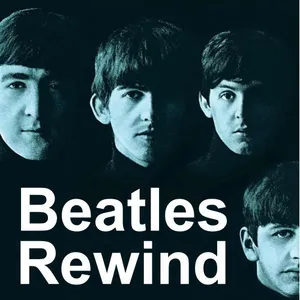
Free Daily Podcast Summary
Beatles Rewind Podcast: Daily Summaries Delivered
by Steve Weber and Cassandra
Beatles. All day, every day. Eight Days a Week !!! beatlesrewind.substack.com
Latest Episodes
The most recent episodes — sign up to get AI-powered summaries of each one.
- 2 days ago2 min
The World’s Most Expensive Guitar: See it Auctioned! 🎸🥁
View my favorite Beatles treasures at Amazon: https://a.co/d/0hJIhK5E As an Amazon Associate, I earn from qualifying purchases. David Gilmour’s legendary "Black Strat" made rock and roll history when it went under the hammer at Christie’s, sparking an intense bidding war and shattering world records! 🎸🔨 Heard on Pink Floyd's The Dark Side of the Moon, Wish You Were Here, and The Wall, this heavily modified 1969 Fender Stratocaster became the most valuable musical instruments ever sold. Would you drop millions on this piece of history? Let us know in the comments! 👇 #PinkFloyd #DavidGilmour #BlackStrat #FenderStratocaster #GuitarCollection #RockHistory #Shorts #Christies
- 3 days ago48 min
The 35 Most Expensive Guitars Ever Sold 🎸🪕🎻
View my favorite Beatles treasures at Amazon: https://a.co/d/0hJIhK5E As an Amazon Associate, I earn from qualifying purchases. The Jim Irsay Collection at Christie’s completely rewrote rock and roll auction history. When the late Indianapolis Colts owner’s world-class archive crossed the auction block at Christie's New York, all previous records were shattered. In this video, we count down the 35 most expensive guitars sold from the Jim Irsay Collection, revealing the jaw-dropping final hammer prices and the legendary music history behind each instrument. From David Gilmour’s legendary "Black Strat" and Jerry Garcia’s custom-built "Tiger," to Kurt Cobain’s "Smells Like Teen Spirit" Fender Mustang, Eric Clapton's iconic Cream-era Gibson SG "The Fool," and rare stage-played guitars from The Beatles, these instruments are cultural artifacts that defined generations of sound. 🎸 Featured in this countdown: • David Gilmour’s Pink Floyd "Black Strat" Fender Stratocaster • Jerry Garcia’s Doug Irwin custom "Tiger" • Kurt Cobain’s 1969 "Smells Like Teen Spirit" Fender Mustang • Eric Clapton’s MTV Unplugged Martin 000-42 & "The Fool" Gibson SG • George Harrison’s 1964 Gibson SG Standard • John Lennon’s stage-played 1964 Rickenbacker 1996 & Gretsch 6120 • David Gilmour’s "Wish You Were Here" 1969 Martin D-35 …and many more of the rarest electrics and acoustics ever made!
- 1 weeks ago17 min
Why The Beatles Collapsed the Moment Brian Epstein Died 📉💥
When the telephone rang in a dormitory in Bangor, Wales, in late August 1967, John Lennon, Paul McCartney, George Harrison, and Ringo Starr were told that their manager, Brian Epstein, had been found dead in his London townhouse. He was just 32. Behind closed doors, John Lennon was shattered. He turned to his bandmates and uttered a brutally honest epitaph: "We’ve fuckin’ had it now." For decades, casual observers wrote off Lennon’s panic as typical rock-star melodrama. But as Philip Norman illustrates in his biography, Mr. Moonlight: Brian Epstein and the Making of the Beatles, Lennon was right. Epstein wasn’t merely their business manager—he was the central pillar and ultimate shock absorber who kept four explosive creative egos from tearing each other apart.In this video, we explore: The Theatrical Vision: How Epstein walked into the damp, urine-scented Cavern Club in 1961 and didn’t just see a rough bar band in leather—he saw a theatrical ensemble waiting to conquer the globe. The Great Shock Absorber: How Brian shielded John, Paul, George, and Ringo from predatory contracts, death threats, and ruthless promoters so they were free to reinvent modern music. "Mr. Moonlight" & The Dangerous Double Life: The harrowing reality Epstein faced as an Anglo-Jewish, gay man navigating London’s criminal underworld and the blackmail rackets before homosexuality was decriminalized in Britain. The Commercial Blunders vs. Cultural Foresight: Reconciling Epstein's genius with catastrophic licensing mistakes like the Seltaeb merchandising deal and the loss of Northern Songs. The Inevitable Collapse: Why the Beatles began unraveling the moment their shock absorber was gone, leading straight to the chaotic fallout of Apple Corps and Allen Klein.
- 1 weeks ago3h 12m
The Most Shocking Guitar Appraisals on Antiques Roadshow 🎸😲
View my favorite Beatles treasures at Amazon: https://a.co/d/0hJIhK5E As an Amazon Associate, I earn from qualifying purchases. From closet-find pre-war Martin acoustics to holy-grail vintage Gibson electrics, few things on Antiques Roadshow match the thrill of an unassuming owner discovering their family heirloom is worth a small fortune. This compilation brings together some of the most memorable vintage fretted-instrument appraisals in the show's history. Watch expert appraisers examine the fine details—original lacquer checking, Brazilian rosewood, factory paperwork, and distinctive headstock inlays—on historic acoustic guitars, classic electric axes, and rare collectible banjos, before delivering life-changing valuation shocks. Whether you're a vintage guitar player, an instrument collector, or just love the pure disbelief on an owner's face when six figures enter the conversation, these are the appraisals that every gearhead remembers.
- 2 weeks ago8 min
How John Lennon Accidentally Invented the Music Video 🎨🎸
View my favorite Beatles treasures at Amazon: https://a.co/d/0hJIhK5E As an Amazon Associate, I earn from qualifying purchases. Years before MTV existed, John Lennon and an American advertising artist named Stephen Verona sat at a Manhattan dining room table, chain-smoking and coloring 240 cartoon cells with felt-tip markers. Working from an unlabeled acetate disc of what would become the Beatles' smash hit "I Feel Fine," they turned every word, beat, and guitar riff into a kinetic pop-art animation titled She Said So. The resulting film went on to win awards, screen at the Museum of Modern Art, and land in the Library of Congress—quietly establishing the visual template for modern music videos. Here is the untold story of their accidental masterpiece, and how those long-lost hand-drawn cells were recently rediscovered and brought back to Liverpool.
- 2 weeks ago11 min
🎬 ”Hamburg Days”: Inside The Beatles’ Wild TV Series Breakdown
Coming soon to a TV near you: "Hamburg Days", an BBC series dramatizing the formative years of The Beatles in Germany. Set between 1960 and 1962, the production explores the band's artistic transformation from amateur musicians into a disciplined rock-and-roll act within the gritty atmosphere of the Reeperbahn. The project prioritizes historical accuracy by collaborating with Klaus Voormann, a close associate of the band who witnessed their evolution firsthand. Photographs from the set and production updates highlight the authentic recreation of both Liverpool and Hamburg, capturing the distinctive fashion and energy of the era. This six-part drama aims to shed light on the pivotal relationships and cultural influences that defined the group before they achieved global superstardom. By focusing on the roles of original members like Stuart Sutcliffe and Pete Best, the series promises a granular look at the band's foundational journey. View my Beatles store on Amazon: https://geni.us/qq9s0De As an Amazon Associate, I earn from qualifying purchases. See my recommended eBay Beatles finds (an affiliate link, for which I may be compensated): https://geni.us/o4BjHeN FREE audiobook on YouTube: https://youtu.be/5J4LHILtMfo
- 2 weeks ago2 min
📼 The Secret Origins of ”Day Tripper”: The Newly Unearthed Work Tape 🎧
Listen to a rare songwriting recording captured in 1965 at John Lennon’s home, providing a glimpse into the creative evolution of the hit song "Day Tripper." Full audio: https://youtu.be/1m1TFIhlCXg?si=FDvHqMIJLKt_SAtM While the final version is famous for its electric guitar riff, the source reveals that the track began as a simple acoustic folk concept. The audio highlights the intimate collaboration between Lennon and McCartney, showcasing a relaxed atmosphere filled with humor rather than the intensity of a professional studio. These private tapes illustrate that the band's legendary music was the result of playful experimentation and a deep personal chemistry. Ultimately, the text emphasizes that even iconic rock masterpieces require significant refinement before reaching their polished, final form. View my Beatles store on Amazon: https://geni.us/qq9s0De As an Amazon Associate, I earn from qualifying purchases. See my recommended eBay Beatles finds (an affiliate link, for which I may be compensated): https://geni.us/o4BjHeN FREE audiobook on YouTube: https://youtu.be/5J4LHILtMfo
- 2 weeks ago5 min
⚔️ Battle of the Beatles: The Solo Songs That Ripped Each Other Apart 🎶
Following the dissolution of The Beatles in 1970, the former bandmates engaged in a public and musical conflict by releasing solo songs that functioned as critiques and responses to one another. These tracks ranged from scathing personal attacks, such as John Lennon’s "How Do You Sleep?", to philosophical reflections on the group’s legal and professional breakdowns by George Harrison. Paul McCartney initially sparked the tension with sarcastic jabs on his album Ram, while Ringo Starr provided a more sentimental perspective on the fractured friendships. Over time, the aggressive tone of these recordings shifted toward reconciliation and maturity, as seen in later songs that offered olive branches and acknowledged their shared history. Ultimately, this body of work serves as a historical record of the legendary quartet's transition from a unified group to individual artists navigating a bitter public separation. View my Beatles store on Amazon: https://geni.us/qq9s0De As an Amazon Associate, I earn from qualifying purchases. See my recommended eBay Beatles finds (an affiliate link, for which I may be compensated): https://geni.us/o4BjHeN FREE audiobook on YouTube: https://youtu.be/5J4LHILtMfo
Customized Recaps
AI-powered recaps with compact key takeaways, quotes, and insights.
Straight to Your Inbox
Get key takeaways from Beatles Rewind Podcast in a 5-minute read.
Save Hours Every Week
Stay current on your favorite podcasts without falling behind.
Frequently Asked Questions
What is Podzilla's Beatles Rewind Podcast daily summary?
It's a free AI-powered email that summarizes new episodes of Beatles Rewind Podcast as soon as they're published. You get the key takeaways, notable quotes, and links & mentions — all in a quick read.
How does the Beatles Rewind Podcast podcast summary work?
When a new episode drops, our AI transcribes and analyzes it, then generates a personalized summary tailored to your interests and profession. It's delivered to your inbox every morning.
Is this an official Beatles Rewind Podcast product?
No. Podzilla is an independent service that summarizes publicly available podcast content. We're not affiliated with or endorsed by Steve Weber and Cassandra.
Can I get summaries of other podcasts too?
Absolutely! The free plan covers up to 3 podcasts. Upgrade to Pro for 15, or Premium for 50. Browse our full catalog at /podcasts.
How often does Beatles Rewind Podcast release new episodes?
Beatles Rewind Podcast publishes daily. Our AI generates a summary within hours of each new episode.
What topics does Beatles Rewind Podcast cover?
Beatles Rewind Podcast covers topics including History, Music. Our AI identifies the specific themes in each episode and highlights what matters most to you.
Start getting Beatles Rewind Podcast summaries tomorrow morning.
Free forever for up to 3 podcasts. No credit card required.
Free forever for up to 3 podcasts. No credit card required.