Free Daily Podcast Summary
Are We OK?: Daily Summaries Delivered
by Are We OK?
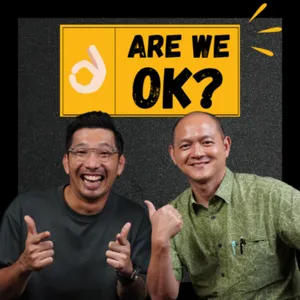
Are We OK? hosted by Dr. Ong Kian Ming and Peter Yong from Mr Money TV, is your indispensable Malaysian podcast delving into topics of governance, policies, politics, and the economy. It's more than just a discussion platform; we want to foster open conversations about current matters affecting Malaysians’ lives all while providing insightful analysis and engaging discussions, making complex topics accessible to all.
Latest Episodes
The most recent episodes — sign up to get AI-powered summaries of each one.
- 2 weeks ago1h 4m
Budget 2027: Election Play? | Is Anwar a True Reformer? | Petrol Subsidy, Minimum Wage, GST | EP 109
In this episode of Are We OK, Dr. Ong Kian Ming and Peter (Mr. Money) sit down to break down the government's recent Budget announcement. Is it a real plan to fix the country's problems, or a budget made to win votes before the next election? We look at it from every angle in simple words.We start with the money side. Why does the government's deficit look smaller even with so many goodies and handouts? Why is the petrol subsidy, costing about RM40 billion a year, still the biggest problem nobody wants to touch? We also talk about the new RM2,500 minimum pay for graduates and semi-skilled workers, how it may affect small businesses, and what the government's plan to mix SST and GST really means for you.Then we get into the politics. Will this budget actually win votes, including in the upcoming Melaka state election? How did the opposition respond, including Bersama's own alternative budget? And when might the next general election happen? We also ask the big question: is Anwar a true reformer, or is this just politics as usual?Chapter Marker:00:00 - Teaser00:36 - Intro: Peter's Interview with the Treasury Secretary General04:38 - How We Will Break Down Budget 2027 (Four Analytical Lenses: Policy, Politics, Outstanding Questions, and Opposition Response)06:16 - Policy Perspective: Why This is a Clever Election Budget Powered by Strong GDP Numbers09:34 - The Elephant in the Room: RM40 Billion Petrol Subsidy13:52 - A Smarter Way to Do Petrol Subsidy: Tiered Pricing18:25 - The Risks Ahead: Slower Growth and Data Centres21:03 - Will the Budget Win Votes? Melaka Election and Beyond28:00 - Equal Funding for MPs: Is Anwar a True Reformer?31:15 - Outstanding Questions: Minimum Wage Increase, Who Will Be Affected?36:52 - RM2,500 for Graduates and Semi Skilled Workers: Can It Work?43:34 - The SST and GST Mix: Why It Could Get Confusing46:34 - E-Invoicing: Why Is It So Unpopular?50:17 - Opposition Response: Bersama's Alternative Budget54:31 - Opposition Leader Hamzah's Response58:16 - When Will the Next Election Be Called?#AreWeOK #Budget2027 #MalaysianPolitics #MalaysianEconomy #AnwarIbrahim #PetrolSubsidy #MinimumWage #GST #PodcastMalaysia
- Sep 24, 202646 min
"Banana Republic" Policymaking? | Bo Borak Moto vs MITI's EV Rules | EP 108
In this episode of Are We OK, we sit down with Lua Bo Feng, known online as Bo Borak Moto, a car enthusiast and content creator who has built a huge following talking about Malaysia's auto industry. We get his honest take on why he thinks MITI is controlling the EV and car market too much, from setting minimum prices to blocking certain brands from selling freely.We break down his biggest complaints, including why he calls some of MITI's decisions "banana republic" level policymaking, how the B40 group ends up paying more for cars because of these rules, and the real story behind why BYD faced sudden restrictions this year. We also talk about the lack of transparency in how the government decides which car companies get special incentives.Finally, we zoom out to ask a bigger question. Should Malaysia keep protecting local car companies at the expense of everyday buyers, or is it time to let the market compete freely so prices can come down for the people who need it most.00:00 - Teaser00:48 - Meet Bo Borak Moto: From Classic Cars to Viral TikTok02:14 - How Bo Started His Channel During MCO06:15 - Did MITI Ever Reach Out to Bo Directly?07:18 - Bo's First Gripe: MITI "Mothering" the Car Industry08:34 - Why B40 Buyers End Up Subsidizing the Industry13:45 - The EV Dilemma: Are Electric Cars Really Saving You Money17:28 - The Lack of Transparency in MITI's Incentive Framework21:17 - What Is ABDC and Why Its Rules Are Kept Secret25:31 - Was the BYD Restriction a Communications Issue or Something Deeper?29:46 - Breaking Down MITI's May EV Policy Announcement32:12 - Did the Pressure on BYD Come From Higher Up?37:17 - Taking Off the MITI Hat: A National Cost Perspective40:07 - What Should MITI's Real Job Actually Be?#AreWeOK #MalaysianPolitics #BoBorakMoto #MITI #EVMalaysia #AutomotivePolicy #PodcastMalaysia #Proton #Perodua #BYD #MalaysianEconomy #PublicPolicy #CarReviewMY
- Sep 19, 202650 min
"Why I Quit DAP On Merdeka Day" | Anthony Loke's "Madu" Remark, Explained | EP 102
In this episode of Are We OK, Dr. Ong Kian Ming finally opens up about why he resigned from DAP after 14 years, choosing Merdeka Day to make it official. He explains the three real reasons behind his decision, from his pledge to help Khairy Jamaluddin campaign to his concerns over where DAP is heading next.We also dive into Secretary General Anthony Loke's pointed "habis madu, sepah dibuang" remark, widely seen as aimed at Dr Ong, and give him the chance to respond directly and explain his side. From there, the conversation turns to who might replace Anthony Loke as Secretary General, and what that could mean for DAP's future direction and image.Finally, Dr Ong and Peter talk about the bigger shift happening in Malaysian politics, where individual leaders are starting to matter more than party loyalty, and whether DAP is still able to attract fresh talent heading into GE16.00:00 - Teaser02:02 - Why Dr Ong Chose Merdeka Day03:05 - The Media Reaction04:30 - Anthony Loke's "Madu" Remark06:36 - Was The Remark Fair?10:52 - Three Reasons Behind The Resignation11:03 - Reason 1: Why Campaigning For Khairy Was a Sackable Offence12:49 - Reason 2: Where DAP Is Heading15:35 - Who Replaces Anthony Loke?16:50 - What DAP Looks Like Under Nga Kor Ming19:28 - Telling Friends Before Going Public20:58 - Reason 3: Why Politicians Journey Alone29:35 - Addressing The "Madu" Accusation Directly34:30 - Did Dr Ong Really Benefit From The Party?37:42 - What Political Parties Owe Their Alumni39:28 - Why DAP Might Struggle to Attract Young Professionals in the Future46:22 - Balancing Merit And Loyalty In Politics48:57 - Final Thoughts#AreWeOK #MalaysianPolitics #DAP #OngKianMing #AnthonyLoke #KhairyJamaluddin #GE16 #PodcastMalaysia
- Aug 26, 202639 min
Can Bukit Kayu Hitam Become Malaysia's Tech Hub? | Delapan | EP 106
Most Malaysians know Bukit Kayu Hitam as a quiet border town you drive through on your way to Thailand for a holiday or food trip. But what if it's quietly becoming one of Malaysia's most important digital and economic gateways?In this episode of Are We OK, we sit down with Razwin Sulairee (CEO of Northern Gateway) and Wong Weng Yew (MD of Open DC) to find out how this border town is turning into Malaysia's newest data center and business hub, Delapan.We find out how a quiet checkpoint is becoming a billion ringgit trade and tech zone, why your gaming lag might be linked to something called "boomerang traffic," and how Delapan plans to bring in manufacturing, renewable energy, tourism, and jobs for the local community in Kedah.Timestamps 00:00 - Teaser00:46 - Welcome & Introduction04:14 - What is Northern Gateway & Why Is It Called "Delapan"?05:16 - From Kota Perdana to Delapan: The Rebrand Story06:15 - Turning a Border Checkpoint Into a Business Opportunity08:19 - Exact Location: Bukit Kayu Hitam & How Big Is Delapan?10:49 - RM60 Billion in Trade: The Scale of Border Traffic11:45 - Meet Open DC & Extreme Broadband14:23 - How Open DC First Got Involved With Delapan16:51 - Discovering Delapan's Hidden Potential18:28 - Being the First Data Center Player in Northern Malaysia19:07 - Why Your Internet Lags (And How Delapan Can Fix It)22:39 - Learning From Johor: A Smarter Data Center Policy25:12 - The Game Plan: Utilities First, Then Manufacturing28:19 - Why Kedah Is Perfect for Solar & Renewable Energy29:12 - Working With Federal and State Governments32:40 - Plans for Shops, Hotels & Homes in Delapan33:45 - Millions of Malaysians & Thais Cross This Border Every Year35:08 - Building Local Talent for the Future36:56 - Job Opportunities at Open DC#AreWeOK #Delapan #NorthernGateway #OpenDC #BukitKayuHitam #DataCenterMalaysia #BorderEconomy #Kedah #MalaysiaThailand #PodcastMalaysia
- Aug 16, 20261h 18m
Why DAP Vote to Stay in Cabinet | PH Losing Power? | GE16: Sooner or Later? EP 105
In this episode of Are We OK, Dr. Ong Kian Ming and Peter break down what really happened in the Johor and Negeri Sembilan state elections, and why Kian Ming's election predictions, made months in advance, turned out to be almost exactly right. They also go behind the scenes of DAP's Special Congress, where party delegates just voted on whether to stay in or resign from the Madani government, and unpack the self-interest calculations different DAP leaders are making.Finally, they look ahead to when Malaysia's next general election (GE16) might actually happen, walking through the political dominoes, from the Melaka state election to pressure building within UMNO, that could speed up or delay the vote.00:00 - Teaser00:38 - Welcome Back & Life Updates04:34 - Predicting Johor & Negeri Sembilan: How Kian Ming Got It Right07:02 - On the Ground Vibes in Johor11:58 - The Collapse of Malay Support for Pakatan Harapan13:46 - The Leader Who Divides Chinese and Malay Voters18:51 - Why Voter Turnout Matters More Than You Think22:22 - The Backlash Against Accurate Predictions23:50 - When Politicians Mock the Numbers (And Get It Wrong)29:24 - The Help DAP Leaders Turned Down34:40 - DAP's Special Congress: Stay or Resign?35:35 - What's Actually at Stake for DAP Delegates41:22 - Behind the Curtain: Why Each Leader Wants a Different Outcome48:44 - DAP's Last Card Against Anwar56:44 - The Delegate Votes That Decide Careers1:01:15 - When Will GE16 Happen?1:04:16 - The Melaka Election & Pressure on Umno1:07:28 - Predicted GE16 Timeline: Early Next Year1:13:07 - The Worst-Case Scenario for DAP1:15:53 - Final Thoughts & Open Invitation to Political Leaders#AreWeOK #MalaysianPolitics #DAP #GE16 #JohorElection #NegeriSembilanElection #PakatanHarapan #PodcastMalaysia
- Aug 12, 20261h 12m
Douglas Lim on the Rosmah Backlash, 1MDB Jokes | Is Political Comedy Safe in Malaysia? | EP104
In this episode of Are We OK, we sit down with Malaysian comedian Douglas Lim to talk about making jokes, staying out of trouble, and whether political comedy is still safe in Malaysia today! From big news stories like the Rosmah lawsuit to viral jokes about 1MDB and Najib, Douglas shares what it is really like to be a comedian in our country.We talk about whether comedians are actually getting into trouble with the government, how political humor has changed over the years, and why so many Malaysians love using laughter to deal with stressful news.Besides that, Douglas opens up about his real-life struggles when he joined a local townhall meeting to stop a big development project in Ampang. He also shares why he believes speaking up matters, whether it is through comedy or community action.Timestamps 00:00: Teaser 00:50: Welcome Douglas Lim, Malaysian Stand-Up Comedian & Actor05:06: How Douglas reads Malaysian politics through comedy10:20: The Harith Iskander defamation letter & where the line is18:45: Has the space for political comedy narrowed since 2018?23:41: Tony Pua, Facebook activism & being "tone deaf"29:27: First comedian to perform at the MPO34:12: Why Malaysians Use Jokes to Deal with Crazy News 40:50: Performing On Big Stages versus Local Comedy Clubs 45:45: Getting personal in Vital Stats50:07: Fighting for His Neighborhood at the Ampang Townhall1:02:20: Would Douglas ever run for office?1:02:10: Is Political Comedy Safe in Malaysia Today? Final Thoughts1:08:34: His advice to voters ahead of GE16#areweok #douglaslim #malaysianstandup #politicalsatire #rosmahlawsuit #1mdb #malaysianpolitics #freespeech #podcastmalaysia #comedymalaysia
- Aug 5, 20261h 0m
RM90 Billion Up For Grabs | Malaysia vs Singapore in Logistics | Michael Tio's Masterplan
In this episode of Are We OK, we sit down with Datuk Seri Dr. Michael Tio, Founder and Group CEO of PKT Logistics, to unpack how he built one of Malaysia's biggest logistics companies from a RM2,000 starting salary. We go behind the story of his iconic warehouses — The Ship, The Wave, and The Lighthouse — and how a simple idea sketched on cardboard turned into a nationwide logistics empire.We also dive into the bigger picture: why logistics companies are leaving Singapore for Malaysia, how our ports are catching up fast, and why Michael believes Malaysia is sitting on a RM90 billion opportunity between now and 2030. From the automotive boom to semiconductor warehousing in Penang, to his ambitious new inland port project at the Thai border, this episode breaks down what it really takes to build Malaysia into the next big logistics hub in ASEAN.Chapter Markers:00:00 - Intro & The Unconventional Approach to Logistics01:25 - The Underdog Hustle: Making Millions Before Turning 2105:58 - Life Lessons & Why EQ Matters More Than Grades07:42 - Giving Up a Lucrative Used Car Business for a RM2,000 Salary10:05 - How a Partnership with Japan Saved the Business in the 1998 Crisis13:14 - Moving from Big Projects to Stable Automotive Logistics17:11 - The Hidden Business Trick to Keeping Shipping Money in Malaysia18:38 - The Masterplan: Building Four Logistics Hubs in Malaysia28:13 - Peninsula College: Putting a College Campus Inside a Warehouse33:11 - What Happens to a Warehouse When Workers Suddenly Quit?34:00 - Riding the Semiconductor Boom in Penang35:13 - The Northern Gateway: Designing the "Blackwood Complex" at the Border39:08 - The Trick to Turning a Border Town into a Successful Hub42:30 - Helping Thailand Ship Faster Through Malaysia43:58 - Partnering with UUM to Give Students Real Work Experience47:30 - The Diesel Crisis: How Fleet Cards & Cash Flow Traps Affected Transporters51:11 - Why Logistics Companies Are Leaving Singapore for Malaysia53:25 - The RM90 Billion Wave: Why Daiso & IKEA are Choosing Malaysia Over Singapore54:59 - Why PKT Chose to Bypassed Johor and Avoid Turf Wars56:55 - Will PKT Logistics Ever List on Bursa Malaysia?58:28 - Michael Tio's Vision for PKT by 2030#areweok #michaeltio #pktlogistics #malaysianlogistics #malaysiavssingapore #aseanhub #logisticsindustry #malaysianeconomy #businessmalaysia #supplychain #portklang #penangsemiconductor #podcastmalaysia #malaysianbusiness #fdimalaysia
- Jul 28, 20261h 18m
Is Malaysia Ready? | DAP Meets Ex-UMNO | FDI, Reform & GE16 | EP 102
In this episode of Are We OK, we sit down with Dr Ong Kian Ming (former Deputy Minister of MITI, DAP) and Shahril Hamdan (co-host of Keluar Sekejap) for a fireside chat at the Affin Market Outlook Conference 2026. Two former politicians from opposite sides of the aisle — break down where Malaysia really stands as an investment destination, and whether the country is ready for what's coming next.The discussion examines whether Malaysia has become too FDI-built — chasing headline foreign investment numbers without translating them into long-term, higher-income jobs at home. We unpack EPF's mandate and who it really serves, the stalemate at the Johor-Singapore Special Economic Zone, and why the Mr DIY success story ended up with its profits parked in Singapore.Finally, we look ahead to GE16: the likely timeline, the scenarios that could play out, and what each outcome could mean for the economy and for everyday Malaysians.#AreWeOK #GE16 #MalaysiaEconomy #MalaysiaFDI #AffinMarketOutlook #InvestInMalaysia #MalaysianPolitics #PodcastMalaysia
Get Are We OK? summaries in your inbox
Free AI-powered daily recaps. Key takeaways, quotes, and mentions — in a 5-minute read.
Get Free Summaries →Free forever for up to 3 podcasts. No credit card required.
You Might Also Like
Listeners also like.

Asia Specific
BBC World Service

The Rest Is Politics: US
Insightful analysis of U.S. politics and policy from a former White House official and a veteran BBC correspondent.
Optimist Economy
Economists analyze U.S. economic challenges like housing, healthcare, and retirement, pairing data and history with practical solutions.

Pod Save the UK
Comedians and journalists analyze UK politics with guests, offering insight and solutions on current events.

Economist Podcasts
Daily global news analysis from correspondents on major international stories.
Hasan Minhaj Doesn't Know
Hasan Minhaj hosts candid, humorous conversations with experts and public figures on a range of serious and complex topics.
Southeast Asia Radio
Discusses Southeast Asian geopolitics, post-pandemic recovery, democracy, and human rights through expert interviews and regional analysis.

Americast
BBC journalists analyze U.S. politics, focusing on the Trump administration and social media's influence on American voters.

All-In with Chamath, Jason, Sacks & Friedberg
Four tech investors discuss technology, markets, politics, and poker with candid, in-depth analysis.
The Majority Report with Sam Seder
A progressive political talk show offering daily commentary, in-depth interviews, and critical analysis of current events and media.

DINESH Podcast
Dinesh D'Souza hosts conversations on politics, history, philosophy, and literature.
King Dems Podcast
Discusses leadership, AI, and business growth with CEOs and entrepreneurs through practical insights on strategy, innovation, and mindset.
About Are We OK?
Are We OK? hosted by Dr. Ong Kian Ming and Peter Yong from Mr Money TV, is your indispensable Malaysian podcast delving into topics of governance, policies, politics, and the economy. It's more than just a discussion platform; we want to foster open conversations about current matters affecting Malaysians’ lives all while providing insightful analysis and engaging discussions, making complex topics accessible to all.
Customized Recaps
AI-powered recaps with compact key takeaways, quotes, and insights.
Straight to Your Inbox
Get key takeaways from Are We OK? in a 5-minute read.
Save Hours Every Week
Stay current on your favorite podcasts without falling behind.
Frequently Asked Questions
What is Podzilla's Are We OK? daily summary?
It's a free AI-powered email that summarizes new episodes of Are We OK? as soon as they're published. You get the key takeaways, notable quotes, and links & mentions — all in a quick read.
How does the Are We OK? podcast summary work?
When a new episode drops, our AI transcribes and analyzes it, then generates a personalized summary tailored to your interests and profession. It's delivered to your inbox every morning.
Is this an official Are We OK? product?
No. Podzilla is an independent service that summarizes publicly available podcast content. We're not affiliated with or endorsed by Are We OK?.
Can I get summaries of other podcasts too?
Absolutely! The free plan covers up to 3 podcasts, any in the catalog. Basic raises that to 15, Pro to 40 and Max to 100. Browse our full catalog at /podcasts.
What topics does Are We OK? cover?
Are We OK? covers topics including News. Our AI identifies the specific themes in each episode and highlights what matters most to you.
Start getting Are We OK? summaries tomorrow morning.
Free forever for up to 3 podcasts. No credit card required.
Free forever for up to 3 podcasts. No credit card required.