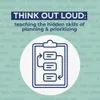
EP353 Think out loud: teaching the hidden skills of planning and prioritizing
You make dozens of invisible decisions every class period. Should I squeeze in one more activity or leave time for questions? Do I spend more time on this concept or move on? Is this the best use of our remaining five minutes? You weigh options, estimate time, and reprioritize on the fly, and you do it so automatically that you barely notice anymore. But here's the problem: your students have no idea any of this is happening. They just see you move seamlessly from one thing to the next. If kids never see how you plan, prioritize, and adjust, how are they supposed to learn to do it themselves? In this episode, I'm talking about how to make your thinking processes visible to students, and why it matters so much. We'll cover how to talk through your weekly overview so kids learn to anticipate where their time and energy should go, how to involve students in prioritizing decisions (like "We have five minutes left, should we do X or Y?"), how to model breaking down projects into manageable steps, why most people are bad at estimating time and what to do about it, and what to say when things go off track and plans need to change. These are teachable skills, but kids won't pick them up through osmosis. They need to see it modeled, and even better, they need to be invited into the process. Listen or read the episode here: https://truthforteachers.com/truth-for-teachers-podcast/think-out-loud-teaching-the-hidden-skills-of-planning-and-prioritizing/
Podzilla Summary coming soon
Sign up to get notified when the full AI-powered summary is ready.
Free forever for up to 3 podcasts. No credit card required.
Listen to This Episode
More from Angela Watson's Truth for Teachers

EP356 The digital delusion: Is classroom tech hurting how kids learn? (with Dr. Jared Cooney Horvath)

EP355 A short history of the 8-hour workday (and how to protect yours)
EP354 You don't have to teach like an influencer.
EP352 Why distress tolerance is the missing piece in classroom management
Get summaries like this every morning.
Free AI-powered recaps of Angela Watson's Truth for Teachers and your other favorite podcasts, delivered to your inbox.
Free forever for up to 3 podcasts. No credit card required.