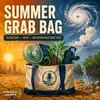
Summer Grab Bag: No, Disasters Aren't "Natural" + Microinfrastructure, Heat and Adaptation Lessons from the Global South
In episode 259 of America Adapts, host Doug Parsons brings together two conversations for an end-of-summer adaptation grab bag. First, Doug talks with Anita Van Breda of World Wildlife Fund about why we should stop using the term "natural disaster." Anita explains the distinction between natural hazards and disasters, and how choices about development, vulnerability, and the environment shape the damage that follows. Doug then speaks with Bishal Thapa of CLASP about the overlooked role of efficient appliances and equipment in climate adaptation. They explore the idea of appliances as "microinfrastructure"—from fans and air conditioners that reduce heat risk to refrigeration, cold storage, and solar water pumps that support food security and livelihoods. They also discuss financing and what adaptation efforts in the Global South can teach the rest of the world. Transcript of episode available here. Subscribe to the America Adapts newsletter here. Links in this episode: Report: Powering Thriving Communities: Efficient Appliances for Climate Change Adaptation and Resilience Previous America Adapts Episodes with Anita Van Breda Flood Management: Nature Based Approaches and International Collaborations Flooding and Natural and Nature-Based Solutions: The Good, the Bad, and the Ugly of Flooding Flooding, Climate Change, and Art Reducing Disaster Risk: The Workforce of the Future<span style= "fo
Podzilla Summary coming soon
Sign up to get notified when the full AI-powered summary is ready.
Free forever for up to 3 podcasts. No credit card required.
Listen to This Episode
More from America Adapts the Climate Change Podcast
Recovery Is Adaptation: Rebuilding After Wildfire

Extreme Heat, Beavers, and Rethinking How We Tell the Climate Story — with PBS's Miles O'Brien
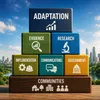
Beyond Adaptation Plans: Measuring Success in the Next Era of Federal Climate Adaptation
Extreme Heat: The Deadliest Climate Hazard Is Also the Most Invisible with Dr. Ladd Keith
Get summaries like this every morning.
Free AI-powered recaps of America Adapts the Climate Change Podcast and your other favorite podcasts, delivered to your inbox.
Free forever for up to 3 podcasts. No credit card required.