Free Daily Podcast Summary
After Wine School: Daily Summaries Delivered
by Wine School Media
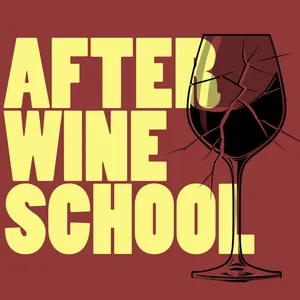
”After Wine School” is an informal and fun podcast where wine school instructors discuss all things wine. You’ll hear stories from their classes, tips for wine tasting, and a touch of wine-inspired philosophy. The podcast is hosted by Keith, the free-spirited lunatic, and Alana, the brilliant and composed academic. Join them as they uncork lively discussions, share insider secrets, and help you find your next favorite bottle. Subscribe now and join the conversation!
Latest Episodes
The most recent episodes — sign up to get AI-powered summaries of each one.
- May 19, 202619 min
We Were Just Named A Top Trade School!
Wine School of Philadelphia Named Silver Winner Trade School as Keith Wallace Discusses Vineyard Frost Damage and Wine’s Religious Roots Keith Wallace hosts an episode of After Wine School, noting Alanna Zerbi is teaching upstairs, and thanks The Philadelphia Inquirer for naming the Wine School of Philadelphia the silver winner for top trade school in the 2020 Philly Favorites, highlighting reader and student voting and quoting the magazine’s praise for open, anti-snob wine education. He explains the school’s state-recognized professional certifications are authorized through Vermont’s National Wine School and contrasts this with unregulated international trade certificates, arguing wine education should provide entry to the industry without four- or six-year degrees. He then describes severe East Coast vineyard losses from early bud break followed by an April freeze, including reported 80% losses in Pennsylvania and 100% bud loss at Maryland’s Black Ankle Vineyards, and similar frost damage in Hungary, offering mitigation ideas like delayed/double pruning and sprinkler protection. Wallace closes with cultural anthropology on wine’s role in ancient rituals and how Roman destruction of the temple system influenced communion, and mentions teaching a fall course on modern wine history. 00:00 Big Inquirer Win 01:16 Reading the Praise 02:30 Why Trade School Matters 03:01 Certifications and Regulation 05:14 East Coast Vineyard Freeze 06:20 How Bud Break Works 08:02 Damage Reports and Stakes 09:29 Support Local Wineries 09:49 Global Frost in Hungary 11:38 Frost Protection Strategies 14:23 Wine and Communion Origins 17:05 Romans and Ritual Shift 18:38 Closing and Future Classes 👉 Free wine class + resources: https://wineschool.us/hub
- Feb 24, 202619 min
Build Your Palate Part 2
Know Your Palate (Part 2): Sweetness vs Ripeness, Acidity, Tannins & Sensitive Tasters Keith Wallace hosts an After Wine School episode focused on "Know Your Palate" (Part 2), shifting from smell to what happens on the palate. He clarifies the difference between aromas (smelled) and flavors and taste sensations (tasted/felt), then breaks down three core palate elements: sweetness, acidity, and bitterness/tannin. The episode explains perceived sweetness from alcohol and oak-derived baking-spice flavors versus real sugar, with a home tasting exercise using off-dry Riesling, Chablis, and high-alcohol Zinfandel/Petite Syrah. It covers how acidity underpins fruit flavors, highlights tartaric acid as unique to wine and linked to aging and microbial stability, and offers an at-home comparison of New Zealand Sauvignon Blanc with unoaked Chardonnay (or alternatives like Marsanne/Roussanne or Albariño). For bitterness, it explains wine’s condensed tannins, how skin/seed contact affects tannin extraction, and suggests tasting Pinot Noir/Gamay against high-tannin wines like Aglianico or Nebbiolo. The hosts advise students not to rely on personal “algorithms” and to build tasting skills step-by-step. They also discuss genetic tasting sensitivity (formerly “super tasters”) and an at-home PROP strip test to gauge sensitivity, especially for tannin perception, and close by promoting their Level 2 program, online options, and the Wine School USA podcast/YouTube channel. 00:00 Welcome Back: Know Your Palate (Part 2) — Taste on the Tongue 00:48 Aromas vs Flavors: Stop Confusing Smell with Taste 02:15 Sweetness 101: Sugar vs Alcohol vs “Perceived” Sweetness 04:39 At-Home Sweetness Drill: Riesling vs Chablis vs Big Zinfandel 06:32 Acidity = Fruit Flavor: The Acids Behind What You Taste 08:21 Tartaric Acid & Acid Levels: Why Wine Tastes Like Wine 10:09 Acidity Practice: Sauvignon Blanc vs Unoaked Chardonnay (and Alternatives) 11:25 Bitterness & Tannins: What That Dry, Grippy Feeling Really Is 13:05 Tannin Tasting Exercise + Don’t Invent “Wine Hacks” 15:32 Sensitive Tasters: PROP Strips and the (Very) Memorable Scale 👉 Free wine class + resources: https://wineschool.us/hub
- Feb 17, 202625 min
Sustainability
Sustainability in Wine: Green Certifications vs Greenwashing (Organic, Regenerative & Biodynamic Explained) Keith Wallace and Alana Zerbe discuss what sustainability really means in wine and whether green certifications reflect genuine practices or greenwashing. They define sustainability (long-term ecosystem preservation), regenerative agriculture (restoring depleted soil and water), biodynamic farming (self-sustaining farm inputs with lunar-calendar traditions originating with Rudolf Steiner in the 1920s and later adopted in Burgundy and Champagne), and organic certification (USDA-administered, expensive, recordkeeping-heavy, and focused on avoiding synthetic pesticides/fertilizers and GMOs). They explain why “organic” labeling in the US is complicated by strict sulfite limits that can be exceeded even without additions due to fermentation, and contrast this with the EU’s focus on vineyard practices. They cover certification costs and economics (including Demeter as the main biodynamic cert and other regional programs), and note that small producers may practice near-organic methods without paying for certification. They also highlight gaps in many sustainability paradigms, including labor practices, citing a case of an Italian certified winery found using trafficked/slave labor. Practical winery and supply-chain topics include high water use (up to 10–20 gallons per bottle), dry farming, controlled irrigation using AI, satellite imaging and drones, CO2 capture and reuse/resale, and composting winery byproducts. They emphasize packaging and shipping impacts: heavy glass bottles are energy-intensive, glass recycling has declined due to loss of China as a trade partner, and alternatives like bag-in-box and cans can reduce impact; overseas shipping by boat can be more efficient than trucking, making some imports potentially lower-carbon than domestic wine depending on location. They also mention solar and wind energy at wineries, agrivoltaics (solar panels above vines), cover crops, biodiversity, and integrated pest management (beneficial insects and plantings to divert pests). Consumer takeaways include choosing lightweight bottles, supporting alternative packaging, considering certifications while remembering their cost, visiting vineyards to ask questions, and recognizing that local regional norms and peer pressure can influence adoption of organic/biodynamic practices. 01:26 What “Sustainability” Means in Viticulture (Cover Crops, Soil Health, Beneficial Bugs) 02:51 Regenerative Agriculture: Restoring Depleted Soil & Water 03:21 Biodynamic Winegrowing Explained (Science, Rituals, and Results) 05:12 Organic Wine Basics: USDA Rules, Recordkeeping, and Costs 05:49 Certifications Under the Microscope: Sulfites, Demeter, and the Price of Compliance 08:44 Small Producers vs. Big Industry: Why Certification Can Feel Insulting 10:39 The Missing Piece: Labor Ethics and “Sustainable” Certifications 11:56 Inside the Winery: Water Use, Dry Farming, AI Irrigation, CO₂ Capture, and Compost 14:44 Packaging & Shipping: Heavy Bottles, Boxed Wine, Cans, and Transport Emissions 18:27 Renewable Energy & Vineyard Innovation: Solar, Wind, and Smarter Biodiversity 20:47 Consumer Takeaways + Wrap-Up, Next Episode Tease, and How to Learn More 👉 Free wine class + resources: https://wineschool.us/hub
- Feb 10, 202621 min
The Future of Wine Marketing & Branding
Uncorking the Evolution of Wine Branding: From Prestige to Social Media Welcome to After Wine School with Keith Wallace and Alana Zerbe! In this episode, Keith and Alana dive deep into the transformation of wine branding, highlighting how traditional methods like prestige and hierarchy are making way for digital engagement and social media influence. They discuss historical marketing techniques, the impact of wine critics, and the shift towards direct-to-consumer models embraced by companies like Penfolds and Naked Wine. The conversation also touches on personal favorite brands and marketing strategies, offering valuable insights and anecdotes about the wine industry's evolving landscape. Join us for an enlightening discussion that's perfect for wine enthusiasts and industry professionals alike! 00:31 The Evolution of Wine Branding 00:55 Historical Marketing Strategies 03:47 The Shift to Digital Marketing 05:24 Innovative Wine Companies 07:17 Personal Branding in the Wine Industry 12:18 Favorite Wine Brands and Marketing Techniques 👉 Free wine class + resources: https://wineschool.us/hub
- Feb 3, 202621 min
The Art of the Seal: Corks & Other Enclosures
Corks vs. Screw Caps: The Ultimate Wine Enclosure Debate Join Keith Wallace and Alana Zerbe in this informative episode of 'After Wine School' as they delve into the ongoing debate between corks and screw caps. Learn the history of cork, the rise of alternatives, and how innovations like the Delvin enclosure have impacted the wine industry. Discover the issues with TCA contamination, the pros and cons of various wine closures, and the role of sustainability in this heated topic. Perfect for wine enthusiasts and professionals alike, this episode is packed with practical advice and fascinating insights. Cheers! 01:00 What is Cork? 02:02 Historical Significance of Cork 02:59 Problems with Cork and TCA 07:48 Rise of Cork Alternatives 08:53 Screw Caps and Their Benefits 09:23 Consumer Perception and Market Impact 10:50 Innovative Enclosures 14:19 Sustainability Debate 👉 Free wine class + resources: https://wineschool.us/hub
- Jan 27, 202620 min
Wine & Health
Wine & Health: Debunking Myths and Embracing Facts | After Wine School Join Keith Wallace and Alana Zerbe from After Wine School as they dive into the relationship between wine and health. In this episode, they explore the myths and misconceptions about wine's health benefits and potential risks, discussing historical contexts, scientific studies, and personal experiences. They emphasize the importance of moderation, mindfulness, and enjoying wine as part of a healthy lifestyle. Don't miss their informed discussion on the J Curve, the Mediterranean diet, and the impact of recent research trends. Whether you're a wine enthusiast or just curious about the health effects of wine, this episode is packed with valuable insights. Cheers! 01:37 Historical Context of Wine and Health 02:50 The French Paradox and Mediterranean Diet 04:56 Modern Studies and Misconceptions 06:23 Rebuttals and Alternative Health Risks 11:59 Generational Knowledge and the J Curve 16:28 Moderation and Mindfulness 👉 Free wine class + resources: https://wineschool.us/hub
- Jan 20, 202630 min
Palate Prep
Unlocking Your Wine Palate: Tips from the Pros | After Wine School Podcast Join Keith Wallace and Alana Zerbe in this episode of 'After Wine School,' where they dive deep into improving your wine palate. From first-hand experiences to teaching frameworks, they share invaluable tips on how to enhance your sensory skills and enjoy wine to its fullest. Discover practical exercises like baking an apple pie to hone your tasting abilities and learn why understanding your sense of smell is crucial. Keith and Alana also discuss common roadblocks and the importance of a beginner's mind in the wine journey. Whether you're a novice or a seasoned wine lover, this episode is packed with insights to further your appreciation of wine. 00:17 Understanding Your Palate 01:29 Practical Exercises to Enhance Your Palate 03:53 The Importance of Smell in Wine Tasting 09:40 Framework for Deductive Tasting 18:04 Overcoming Roadblocks in Wine Tasting 25:19 Building Your Own Wine Knowledge 👉 Free wine class + resources: https://wineschool.us/hub
- Jan 13, 202618 min
Storing Wine Like a Pro
Mastering Wine Storage: Do's, Don'ts, and Myths Explored In this episode of After Wine School, hosts Keith and his guest delve into the intricacies of proper wine storage and debunk common myths about aging wine. They explain that only 10% of wines are designed to age, with specific characteristics required for successful aging. Key factors like temperature, humidity, vibration, and light are discussed to ensure optimal storage conditions. They cover the types of wines suitable for aging, including Bordeaux, Burgundies, and Barolos, and offer practical advice on setting up a home wine cellar. The episode also touches on wine storage psychology and economic considerations. 00:28 Debunking Wine Aging Myths 01:26 Factors Affecting Wine Aging 03:36 Psychology and Economics of Aging Wine 06:17 Proper Wine Storage Techniques 12:35 Choosing Wines for Aging 👉 Free wine class + resources: https://wineschool.us/hub
Get After Wine School summaries in your inbox
Free AI-powered daily recaps. Key takeaways, quotes, and mentions — in a 5-minute read.
Get Free Summaries →Free forever for up to 3 podcasts. No credit card required.
You Might Also Like
Podcasts in similar categories.

Dateline NBC
True-crime mysteries, documentaries, and in-depth investigations from NBC News.
The Jamie Kern Lima Show
Entrepreneur Jamie Kern Lima interviews experts and celebrities about overcoming self-doubt and building self-belief.

Casefile True Crime
Casefile Presents
The Dr. John Delony Show
A therapist answers callers' questions about relationships, mental health, and personal struggles with practical advice.

This American Life
True stories exploring weekly themes with emotional depth, humor, and narrative twists, capturing the complexities of contemporary life.
The Megyn Kelly Show
Provocative conversations with influential figures in politics, law, and culture, featuring candid and fearless dialogue.

Matt and Shane's Secret Podcast
Two comedians deliver irreverent, unfiltered humor in a chaotic and improvisational format.

The Headlines
A daily news podcast offering global headlines and analysis from New York Times reporters.
About After Wine School
”After Wine School” is an informal and fun podcast where wine school instructors discuss all things wine. You’ll hear stories from their classes, tips for wine tasting, and a touch of wine-inspired philosophy. The podcast is hosted by Keith, the free-spirited lunatic, and Alana, the brilliant and composed academic. Join them as they uncork lively discussions, share insider secrets, and help you find your next favorite bottle. Subscribe now and join the conversation!
Customized Recaps
AI-powered recaps with compact key takeaways, quotes, and insights.
Straight to Your Inbox
Get key takeaways from After Wine School in a 5-minute read.
Save Hours Every Week
Stay current on your favorite podcasts without falling behind.
Frequently Asked Questions
What is Podzilla's After Wine School daily summary?
It's a free AI-powered email that summarizes new episodes of After Wine School as soon as they're published. You get the key takeaways, notable quotes, and links & mentions — all in a quick read.
How does the After Wine School podcast summary work?
When a new episode drops, our AI transcribes and analyzes it, then generates a personalized summary tailored to your interests and profession. It's delivered to your inbox every morning.
Is this an official After Wine School product?
No. Podzilla is an independent service that summarizes publicly available podcast content. We're not affiliated with or endorsed by Wine School Media.
Can I get summaries of other podcasts too?
Absolutely! The free plan covers up to 3 podcasts, any in the catalog. Basic raises that to 15, Pro to 40 and Max to 100. Browse our full catalog at /podcasts.
How often does After Wine School release new episodes?
After Wine School publishes weekly. Our AI generates a summary within hours of each new episode.
What topics does After Wine School cover?
After Wine School covers topics including Education, Arts, Food, Courses, Relationships, Culture, Society & Culture. Our AI identifies the specific themes in each episode and highlights what matters most to you.
Start getting After Wine School summaries tomorrow morning.
Free forever for up to 3 podcasts. No credit card required.
Free forever for up to 3 podcasts. No credit card required.