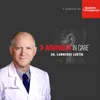
Groundbreaking Gene Therapy Restores Natural Hearing for Genetic Deafness
On this episode of Advances in Care, Erin Welsh speaks with Dr. Lawrence Lustig, otolaryngologist-in-chief at NewYork-Presbyterian and Columbia. Dr. Lustig has spent decades working to advance various interventions to treat genetic deafness and after years of research, his team was the first to show that gene therapies could be effective at reversing hearing loss in mouse models. Dr. Lustig focused his initial study on otoferlin, a gene that is missing in people with a rare form of genetic deafness, and how to safely deliver it back to patients. Starting with mouse models and solving for the uniquely large size of the gene, they discovered that packaging otoferlin with an adeno-associated virus and injecting it into the ear completely reversed deafness. From there, they began the process of trialing this approach in humans at NewYork-Presbyterian and Columbia. The trials were successful, leading to natural hearing restoration in most patients, and in April 2026 the work culminated with an FDA approval of the first ever gene therapy for genetic deafness based on the research pushed forward by Dr. Lustig and his team. Dr. Lustig’s team has trialed the therapy in patients across a range of ages, from six years old to thirty-one, and have seen hearing restoration take place to varying degrees. This means that unlike cochlear implant surgery, which has to be performed at a young age, this research could have important implications for treating patients into adulthood. It is also laying critical groundwork for continued gene therapy trials for other forms of genetic deafness. Chapters: [00:00 – 08:15] Identifying the Right Gene Therapy for Hearing Loss Dr. Lawrence Lustig tells the story of how he and his team targeted the otoferlin gene, a rare cause of genetic deafness when missing, to successfully reverse hearing loss in mouse models. [08:15 – 9:51] From Mouse Model to Clinical Trial and FDA Approval Dr. Lustig shares the process his team undertook to move this groundbreaking discovery from mouse models into human subjects, eventually leading to FDA approval for the first ever gene therapy for genetic deafness. [9:51– 16:10] Patient Responses to Restored Natural Hearing Dr. Lustig describes the impact that restoration of natural hearing has on his patients and their families. He explains why the setting of a large academic medical center at NewYork-Presbyterian and Columbia was critical in recruiting patients and the success of these trials. [16:10– 17:46] Results and the Future of Treatment for Genetic Hearing Loss Dr. Lustig shares the results from the otoferlin clinical trials and describes how this groundbreaking research could impact treatments for more common forms of genetic deafness in the future. [17:46 – 18:25] Credits *** Dr. Lawrence Lustig is Chair of Otolaryngology–Head & Neck Surgery at NYP/Columbia and a nationally recognized otologist, neurotologist, and researcher specializing in hearing loss and gene therapy. Over the course of his career, Dr. Lustig has helped pioneer some of the foundational research that led to the development of gene therapies for inherited deafness. His laboratory was among the first to demonstrate complete restoration of hearing in animal models using gene therapy, and he played a leading role in the development and clinical testing of the recently FDA-approved otoferlin gene therapy, the first gene therapy approved to restore hearing in children with a rare genetic form of deafness. His work focuses on translating cutting-edge discoveries in molecular medicine into transformative treatments for patients with hearing loss. For more information visit nyp.org/Advances
Podzilla Summary coming soon
Sign up to get notified when the full AI-powered summary is ready.
Free forever for up to 3 podcasts. No credit card required.
Listen to This Episode
More from Advances in Care
Exploring Psychedelics as the Next Wave of Psychiatric Innovation
GUARDIAN Screening Panel Expands Early Detection for Rare and Treatable Diseases

A Novel Immune-Based Cell Therapy Improves Treatment for Metastatic Melanoma

The Positive Impact of Electroconvulsive Therapy for Severe Psychiatric Illness
Get summaries like this every morning.
Free AI-powered recaps of Advances in Care and your other favorite podcasts, delivered to your inbox.
Free forever for up to 3 podcasts. No credit card required.