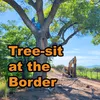
S5E24: Tree Sit at the Border
Border-wall contractors have destroyed three ancient Fremont cottonwoods in the tiny community of Lochiel, Arizona. The trees, estimated to be 200 to 250 years old, stood within the path of two proposed 30-foot border walls through the San Rafael Valley. One landmark cottonwood remains—and activists have occupied it in what may be the first tree sit organized against border-wall construction. Kate Scott joins Chris Clarke from the Casita de la Esperanza, the activists’ base in the former Lochiel port of entry. She describes the destruction of the cottonwoods, the birds and other wildlife that depended upon them, and concerns that construction continued despite evidence of active nests. She also explains why activists are demanding that the remaining tree be spared and the proposed secondary wall be stopped. The fight is about more than one tree. For Scott and her fellow organizers, the surviving cottonwood represents the ecological richness, cultural history, and cross-border relationships threatened by wall construction throughout the Arizona–Sonora borderlands. Episode image modified from a photo by the Center for Biological Diversity Key Takeaways Contractors destroyed three of Lochiel’s four landmark cottonwoods to clear space for border-wall construction. Activists are occupying the remaining tree and calling for the proposed secondary wall through Lochiel to be abandoned. The cottonwoods provided habitat for barn owls, flickers, kingbirds, insects, and other wildlife; Scott also reports hearing a threatened yellow-billed cuckoo. Scott says Customs and Border Protection had promised protections for active bird nests, but activists saw no meaningful environmental monitoring during the removal. Organizers are using direct action alongside art, music, ceremony, and public gatherings to defend the San Rafael Valley. The wall threatens not only wildlife movement but also a historic border community, neighboring ranchland in Sonora, and potentially significant archaeological resources. Notable Quotes “We do not want a double wall through this historic community.” “Each one [of the cottonwoods is] unique—a universe in and of itself.” “This is not a crossing point. This is a wildlife migratory corridor.” “We’re not taking this anymore. We’re making our stand here.” “Don’t obey in advance.” Resources Rally for the Valley Instagram: https://www.instagram.com/rallyforthevalley/ GiveButter Donation Link: https://givebutter.com/stop-destruction-in-lochiel-oxsxdpBecome a desert defender!: https://90milesfromneedles.com/donateSee omnystudio.com/listener for privacy information.
Podzilla Summary coming soon
Sign up to get notified when the full AI-powered summary is ready.
Free forever for up to 3 podcasts. No credit card required.
Listen to This Episode
More from 90 Miles from Needles: the Desert Protection Podcast
S5E30: Why Deserts Need Defending
S5E29: Why Was the North Kaibab Trail Still Open?
S5E28: 4 Things You Need to Know about Desert Flooding

S5E27: Sonoran Toads and the Dirty Business of Ego Death
Get summaries like this every morning.
Free AI-powered recaps of 90 Miles from Needles: the Desert Protection Podcast and your other favorite podcasts, delivered to your inbox.
Free forever for up to 3 podcasts. No credit card required.